
Boiler Installation in Hilliard, OH
Professional boiler installation in Hilliard, OH ensures safe, efficient heating with exact sizing and code-compliant setup. Schedule your installation today.

Boiler Installation in Hilliard, OH
A properly specified and installed boiler keeps your Hilliard home warm, lowers energy bills, and reduces emergency repairs during Ohio winters. Boiler Installation in Hilliard, OH covers everything from an on-site assessment and system recommendation to code-compliant installation, permit handling, start-up and hydronic balancing, plus energy-efficiency options and warranty documentation.
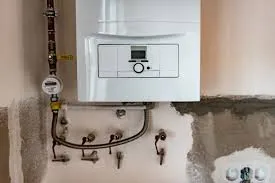
Why a professional boiler installation matters in Hilliard
Hilliard experiences cold, often wet winters and occasional deep freezes. That climate increases demand on heating systems, so correct sizing, proper venting, and combustion safety are essential. Poorly installed boilers can lead to uneven heat, premature equipment failure, higher fuel bills, and safety risks. Professional installation reduces those risks and ensures compliance with Ohio building and fuel-gas codes as enforced locally in Hilliard.
Common boiler installation types and scenarios
- Full replacement of aging or repeatedly failing boilers.
- New installation for additions, finished basements, or whole-home conversions from forced air to hydronic heat.
- Combi boiler installation for combined space heating and domestic hot water in smaller Hilliard homes.
- Upgrade to high-efficiency condensing boilers to lower fuel consumption in cold climates.
- Fuel conversions when switching from oil to natural gas or propane where local fuel availability allows.
- Zoned hydronic systems for improved comfort in multi-level or remodeled houses.
Typical reasons homeowners pursue a new boiler in Hilliard, OH
- Boiler age and repeated breakdowns
- Rising heating bills despite normal use
- Renovation or added living space requiring more capacity
- Stricter local code or safety concerns with existing venting/chimney
- Desire for higher efficiency equipment to offset colder Ohio winters
Site assessment and system recommendation
A professional installation begins with a detailed site assessment:
- Heat load calculation (properly sized rather than guessing) using room-by-room data to avoid oversized systems that short-cycle in Hilliard’s climate.
- Fuel and venting check to confirm natural gas, propane, or oil supply and evaluate chimney or direct-vent options.
- Mechanical room evaluation for clearances, floor support, combustion air, and replacement/upgrade of piping, pumps, and controls.
- Domestic hot water needs assessment if considering a combi boiler or indirect water heater.
- Distribution review to determine if existing radiators, baseboard, or in-floor piping will work with a new boiler or need modification.
Recommendations take local conditions into account: cold spells, humid summers, and common Hilliard home configurations.
Professional installation practices and code compliance
Quality installation follows safe, repeatable practices and local codes:
- Proper gas line sizing and pressure testing for safe fuel delivery.
- Correct venting or chimney modifications meeting Ohio code and local inspector requirements.
- Installation of required safety devices: pressure relief valve, low-water cutoff, expansion tank, backflow prevention where required, and combustion air provisions.
- Secure mounting, pump and piping layout, appropriate insulation, and mechanical room ventilation.
- Electrical connections to code and integration with thermostats, zone valves, and controls.
- Clear documentation for permitting and inspection.
Permit handling is part of the process: installers prepare permit applications, coordinate required inspections with Hilliard building officials, and ensure the final system meets local and state regulations.
System start-up, testing, and balancing
Once installed, technicians perform a structured start-up and commissioning sequence:
- Purge air from the hydronic loop and fill to manufacturer-specified pressure.
- Leak tests on gas, water, and condensate lines.
- Combustion analysis and CO testing to confirm safe burner operation.
- Calibration of controls, thermostats, and outdoor reset or modulating settings when present.
- Hydronic balancing to distribute heat evenly among zones using balancing valves, pump adjustments, and flow checks.
- Final documentation of pressures, temperatures, and test results so you know system baselines.
This ensures reliable performance during the coldest Hilliard winters.
Energy-efficiency options relevant to Hilliard homes
- High-efficiency condensing boilers with AFUE ratings above 90% that reclaim heat from exhaust gases — helpful in reducing fuel use during long heating seasons.
- Modulating-condensing burners that adjust output to actual heat demand, reducing cycling and improving comfort on milder winter days.
- Zoned heating and smart thermostats to reduce wasted heat in unused areas.
- Outdoor reset controls that adjust water temperature based on outside temperature for consistent comfort and better efficiency.
- Insulation of supply/return piping and upgrading circulator pumps to ECM models for lower electrical use.Local utility rebates or state incentives may be available periodically for high-efficiency equipment and controls.
Timelines and what to expect
- Replacement of an existing boiler usually takes 1 to 3 days depending on system complexity, chimney or vent work, and whether radiators or piping need modification.
- New installs or fuel conversions can take longer, commonly 2 to 5 days, especially when permits or significant piping changes are required.
- Weather, parts lead times, and city inspections may affect scheduling; thorough site assessment up front gives the most accurate timeline.
Warranty, documentation, and recommended maintenance
- Typical equipment warranties vary: parts warranties often range from 2 to 10 years, with heat exchanger warranties longer in some models. Labor warranties commonly cover 1 to 2 years depending on installer policy.
- Proper warranty coverage requires registration with the manufacturer and adherence to recommended start-up and maintenance procedures.
- Annual maintenance is strongly recommended in Hilliard: combustion tune-up, water-side cleaning or power flushing if needed, pressure and expansion tank checks, leak inspection, and control calibration. In hard-water areas, consider water treatment to prevent scale and extend heat exchanger life.
Hot Deals & Cool Savings

.webp)
New Service Agreement Membership
.webp)
Any New Client Service
Next Service for Referring a New Client
New Service Agreement Membership
Any New Client Service
Next Service for Referring a New Client
.webp)
.webp)

Service Areas
