
Boiler Tune-Up in Hilliard, OH
Professional boiler tune up in Hilliard, OH ensures safe operation, improved efficiency, and fewer midwinter breakdowns. Learn more and schedule today.

Boiler Tune Up in Hilliard, OH
Keeping your boiler running safely and efficiently is especially important in Hilliard, OH, where cold winters increase heating demand and older homes commonly rely on central boilers. A comprehensive boiler tune up is a focused inspection and adjustment designed to optimize combustion, ensure safe operation, reduce fuel use, and prevent unexpected breakdowns. Below is a clear explanation of what a professional tune up includes, common problems found in Hilliard homes, the diagnostic and service process, likely repair outcomes, and practical maintenance advice tailored to local conditions.
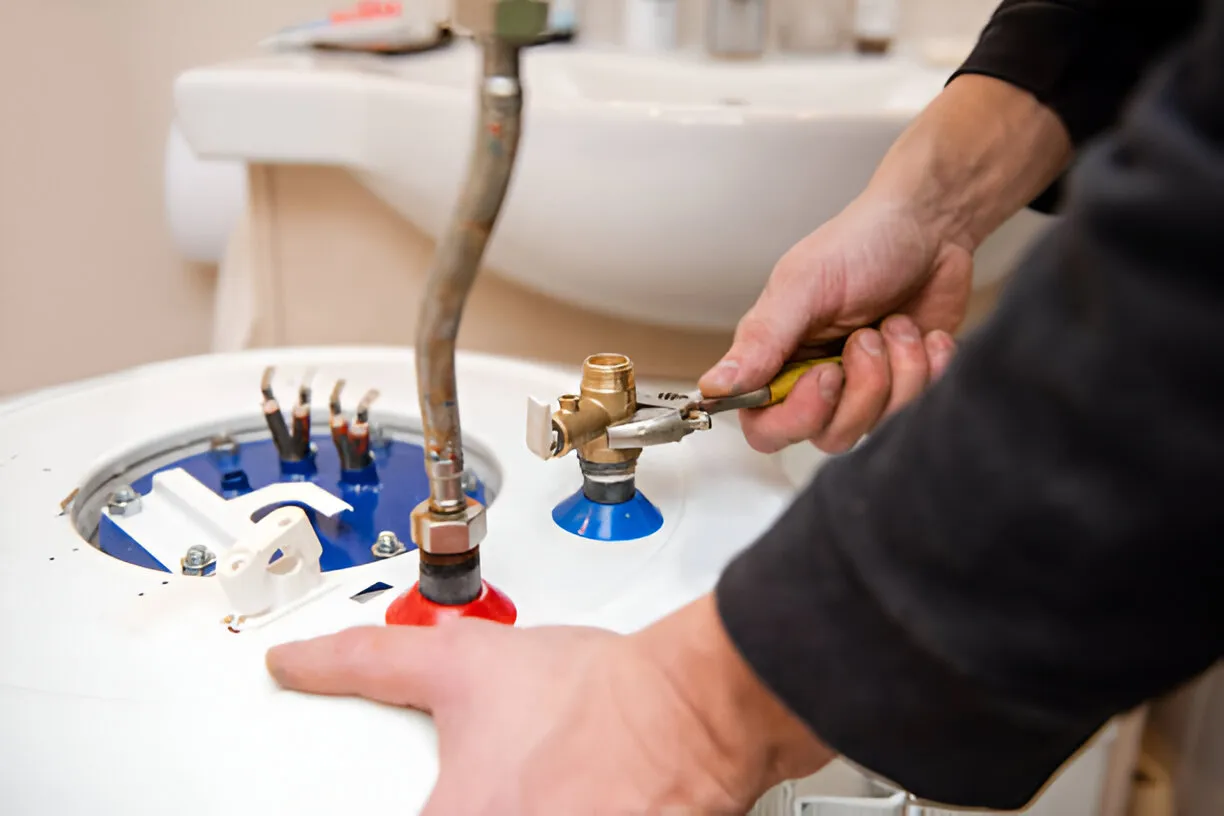
Why a boiler tune up matters in Hilliard, OH
Hilliard experiences prolonged cold spells and occasional freezing nights. That climate means your boiler works hard through fall and winter. Regular tune ups:
- Improve combustion efficiency to lower gas or oil use
- Reduce the risk of midwinter breakdowns when repair times and costs rise
- Verify safety systems to prevent carbon monoxide and pressure hazards
- Extend equipment life by correcting small issues before they worsen
Annual service is a cost-effective investment for homeowners who want reliable heat and predictable energy bills during Ohio winters.
What a full boiler tune up includes
A professional tune up is more than a quick inspection. Key elements include:
- Visual inspection of the boiler, burner, controls, and surrounding piping
- Combustion analysis to measure flue gases, oxygen and carbon monoxide and to tune the burner for optimal combustion
- Cleaning of burners, flame sensors, and accessible heat transfer surfaces to restore efficiency
- Safety and pressure checks including relief valve operation, expansion tank condition, and proper system pressure
- Thermostat calibration and controls verification for accurate temperature regulation
- Heat exchanger and venting check for signs of corrosion, cracks, or blockages
- Water quality and leak inspection; checking for signs of hard water buildup that can impair heat transfer
- Testing of safety cutouts, low water cutoff, and other interlocks
- System performance test-run while monitoring temperature splits and boiler cycling behavior
- Written findings and recommendations for repairs, upgrades, or efficiency improvements
Common boiler tune up issues in Hilliard homes
Technicians frequently find these problems during tune ups:
- Improper burner settings or dirty burners reducing combustion efficiency
- Flue or vent restrictions caused by debris, nests, or corrosion
- Faulty thermostats or control boards leading to short cycling or poor temperature control
- Slow leaks from fittings, pump seals, or radiators that lower system pressure and cause the boiler to run inefficiently
- Mineral scaling in systems with hard water, reducing heat transfer and increasing fuel consumption
- Worn or sticking valves, circulator pump problems, or aging expansion tanks
- Cracked heat exchangers or flue damage in older boilers that compromise safety and efficiency
Identifying these issues early keeps repair costs lower and reduces the likelihood of emergency service calls during freezing weather.
Diagnostic and tune up process — step by step
A typical professional tune up follows a systematic sequence so nothing is missed:
- Pre-service assessment
- Confirm model, age, service history, fuel type, and homeowner concerns
- Brief visual survey of boiler room for safety issues
2. Safety isolation and system checks
- Verify combustion air, clearances, and electrical containment
- Check for gas odor or signs of leaks before starting work
3. Combustion and burner service
- Remove and clean burner components as required
- Perform combustion analysis with handheld instruments and adjust air/gas ratio for optimum efficiency and lowest emissions
4. Mechanical and hydraulic inspection
- Check pumps, valves, pressure relief valve, expansion tank, and piping for leaks and correct operation
- Measure system pressure and refill or repressurize to manufacturer specifications
5. Controls and thermostat calibration
- Calibrate thermostat and verify control response
- Test safety devices including high limit, low water cutoff, and flame sensors
6. Performance testing
- Run the boiler under load to observe temperature differential, cycle frequency, and exhaust characteristics
- Document readings and create recommendations
7. Clean up and reporting
- Clear any debris, return components to service, and provide a concise service report with suggested next steps
Most thorough tune ups take between one and three hours depending on system complexity and whether cleaning or parts replacement is needed.
Typical repair and improvement recommendations
After inspection, homeowners commonly receive recommendations such as:
- Burner or control adjustment to restore proper combustion and reduce fuel use
- Replacement of worn gaskets, seals, valves, or circulator pumps that cause leaks or noise
- Thermostat replacement or upgrade for more accurate control and improved comfort
- Flue or vent repairs to correct draft problems and improve safety
- Water treatment or magnetic filtration to address hard water scale in hydronic systems
- Consideration of a higher-efficiency boiler or control package if the current unit is older and repair costs are frequent
Technicians will explain whether a repair restores expected performance or if replacement is a more economical long-term choice.
Benefits you can expect after a professional tune up
A proper tune up delivers measurable and practical benefits:
- Lower fuel bills through better combustion and heat transfer
- More consistent indoor comfort with fewer short cycles and temperature swings
- Reduced chance of midwinter failures and emergency service visits
- Enhanced safety with verified pressure, venting, and combustion controls
- Longer service life for boilers and connected components
In Hilliard, where heating demand spikes in winter, these benefits translate into reliability when you need it most.
Seasonal advice and maintenance tips for Hilliard homeowners
- Schedule annual tune ups in the fall before heavy heating use begins; this timing reduces the risk of needing emergency repairs during a cold snap.
- Watch for early warning signs: increased fuel use, unusual noises, frequent cycling, lower heat output, or visible leaks.
- If your home uses well water or Hilliard area water supply shows hardness, ask about water treatment or regular flushing to limit scale buildup.
- Keep boiler room clear of stored items and ensure vents and combustion air inlets remain unobstructed to maintain safe operation.
- Plan annual inspections even for newer units; manufacturers typically recommend yearly maintenance to preserve warranty coverage and efficiency.
A well-executed boiler tune up is a practical, safety-minded investment that reduces heating costs and provides peace of mind throughout Hilliard winters. Regular service and prompt attention to small issues are the best defenses against expensive repairs and uncomfortable cold-weather outages.
Hot Deals & Cool Savings

.webp)
New Service Agreement Membership
.webp)
Any New Client Service
Next Service for Referring a New Client
New Service Agreement Membership
Any New Client Service
Next Service for Referring a New Client
.webp)
.webp)

Service Areas
