
Boiler Replacement in Hilliard, OH
Replace your boiler in Hilliard, OH with a high-efficiency system. Learn about evaluation, sizing, installation, and warranties. Learn more today.

Boiler Replacement in Hilliard, OH
Replacing a failing or inefficient boiler is one of the most effective ways to improve comfort, reduce energy bills, and increase home safety in Hilliard, OH. Winters in Central Ohio are cold and can strain older heating systems, leading to frequent breakdowns, rising fuel costs, and uneven heat.
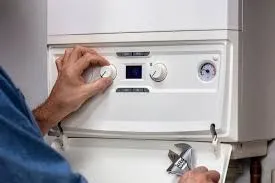
Why replace a boiler in Hilliard, OH
- Many Hilliard homes still use older cast-iron or non-condensing boilers that lose efficiency over time.
- Cold winters increase runtime, exposing weaknesses in aging equipment and driving higher fuel use.
- New high-efficiency or condensing boilers can deliver significant annual savings in natural gas or propane use and provide more consistent indoor comfort.
- Replacement reduces the risk of sudden failures during extreme cold, and modern units produce fewer emissions.
Common boiler problems and system types in Hilliard, OH
- Persistent leaks, corrosion, or flooding inside boiler rooms.
- Short cycling or frequent ignition failures.
- Uneven heat between floors or rooms, indicating poor zoning or failing circulators.
- Old atmospheric venting issues or chimney deterioration.
- Typical systems encountered:
- Cast-iron, non-condensing hot water boilers
- Steel or sectional boilers
- High-efficiency condensing boilers
- Combination boilers providing domestic hot water and space heating
System evaluation and diagnostics
A proper replacement begins with a comprehensive evaluation of your existing heating system and home. Key steps include:
- Inspecting the existing boiler, flue, chimney, and venting for deterioration and code compliance.
- Reviewing heat distribution: radiators, baseboards, or in-floor radiant systems and the condition of piping and circulators.
- Performing a heating load calculation for the home (not just relying on the old boiler size) to determine correct equipment capacity.
- Checking combustion air, fuel supply (natural gas, propane, or oil), and electrical connections.
- Evaluating control systems and thermostat types to recommend modern zoning and outdoor reset options.
Sizing and efficiency considerations
Choosing the right boiler size and efficiency level matters for reliability and long-term savings.
- Proper sizing: A Manual J or equivalent heating load calculation tailored to Hilliard thermal conditions ensures the boiler is not oversized. Oversized boilers cycle frequently and wear out faster.
- Efficiency ratings: Look at AFUE (Annual Fuel Utilization Efficiency). Condensing boilers typically achieve higher AFUE by capturing heat from flue gases when return water temperatures are low.
- Condensing versus non-condensing: Condensing boilers perform best with lower return temperatures common in modern hydronic systems or when paired with outdoor reset controls. If your system has high-temperature radiators or older piping, additional system modifications may be needed to realize condensing boiler benefits.
- Modulating and condensing units: These offer better part-load efficiency and more stable comfort during mild Hilliard winters.
Removal of old equipment and preparation
Removing an old boiler requires attention to safety and local code:
- Draining and properly disposing of boiler water and any hazardous materials.
- Cap and seal fuel lines and electrical feeds as required.
- Inspecting and, if necessary, repairing or replacing chimneys, venting, or flue liners to meet current code.
- Assessing piping, expansion tanks, and pressure relief valves for compatibility with the new boiler.
- Obtaining any required permits from Franklin County or Hilliard municipal authorities before starting work.
Professional installation steps
A professional replacement follows clear steps to ensure safe, efficient operation:
- Site preparation and permit verification.
- Removal of the old boiler and cleaning of the installation area.
- Placement of the new boiler with proper clearance and support.
- Connection of fuel, gas shutoff, electrical, water, and venting systems according to manufacturer specifications and local code.
- Installing or upgrading controls, circulators, and zone valves. Consider outdoor reset and smart thermostat integration for optimal performance in Hilliard climates.
- Filling the system, air purging, and pressure testing piping and valves.
- Commissioning the boiler, adjusting combustion settings, and balancing the system for even heat distribution.
Expected timeline
- Small to medium residential replacements typically take 1 to 3 days, depending on complexity.
- Simple like-for-like swaps are faster; projects that require chimney relining, piping upgrades, or conversion to condensing technology can extend to several days or multiple visits.
- Scheduling and permit turnaround in Hilliard may add time; plan for inspections during or after installation.
Financing and rebates in Hilliard, OH
- Many homeowners qualify for financing options through lenders or equipment manufacturers to spread the cost of a new high-efficiency boiler.
- Local and utility rebates or federal tax incentives may be available for ENERGY STAR rated or high-efficiency condensing boilers. Eligibility often depends on equipment efficiency, installation documentation, and compliance with program rules.
- Documenting the system specifications, permits, and contractor invoices is important for rebate or tax credit applications.
- Speak with your contractor or local utility about current rebate programs, typical qualification criteria, and how to apply.
Post-installation testing and warranties
A complete replacement includes thorough testing and clear warranty coverage:
- Combustion testing to verify safe and efficient fuel burn and to set gas pressure and air mixture.
- Carbon monoxide testing, leak checks, and verification of venting integrity.
- Operational testing of zones, controls, and safety devices like pressure relief valves and low-water cutoffs.
- A final system walkthrough to explain operation and maintenance basics for your household.
- Manufacturers provide parts warranties and many installers offer labor warranties; confirm length and coverage for both parts and labor. Keep warranty documents, service records, and startup reports for future reference.
Long-term benefits and maintenance
- Upgrading to a properly sized, high-efficiency boiler delivers lower energy bills, improved comfort, quieter operation, and reduced emissions.
- Routine annual maintenance in Hilliard is recommended to sustain efficiency and reliability. Typical service includes cleaning heat exchangers, checking controls, verifying combustion, and ensuring expansion tanks and circulators operate correctly.
- Consider adding system improvements during replacement such as zoning, outdoor reset controls, or a buffer tank to enhance efficiency and comfort.
Replacing a boiler is a significant investment in home comfort and safety. For Hilliard, OH homeowners, a well-planned replacement that considers local weather, home heating needs, and modern efficiency options provides dependable heat through cold winters while reducing long-term operating costs.
Hot Deals & Cool Savings

.webp)
New Service Agreement Membership
.webp)
Any New Client Service
Next Service for Referring a New Client
New Service Agreement Membership
Any New Client Service
Next Service for Referring a New Client
.webp)
.webp)

Service Areas
