
Furnace Maintenance in German Village, OH
Furnace maintenance in German Village, OH keeps systems safe and efficient. Learn about tune-ups, safety checks, and scheduling today.

rnace Maintenance in German Village, OH
Keeping your furnace well maintained is essential for reliable heat, lower energy costs, and safe operation—especially in German Village, where many homes are older, compact, and built with unique architecture. Routine furnace maintenance in German Village, OH addresses the specific challenges of brick rowhouses, limited mechanical closets, and seasonal temperature swings in central Ohio.
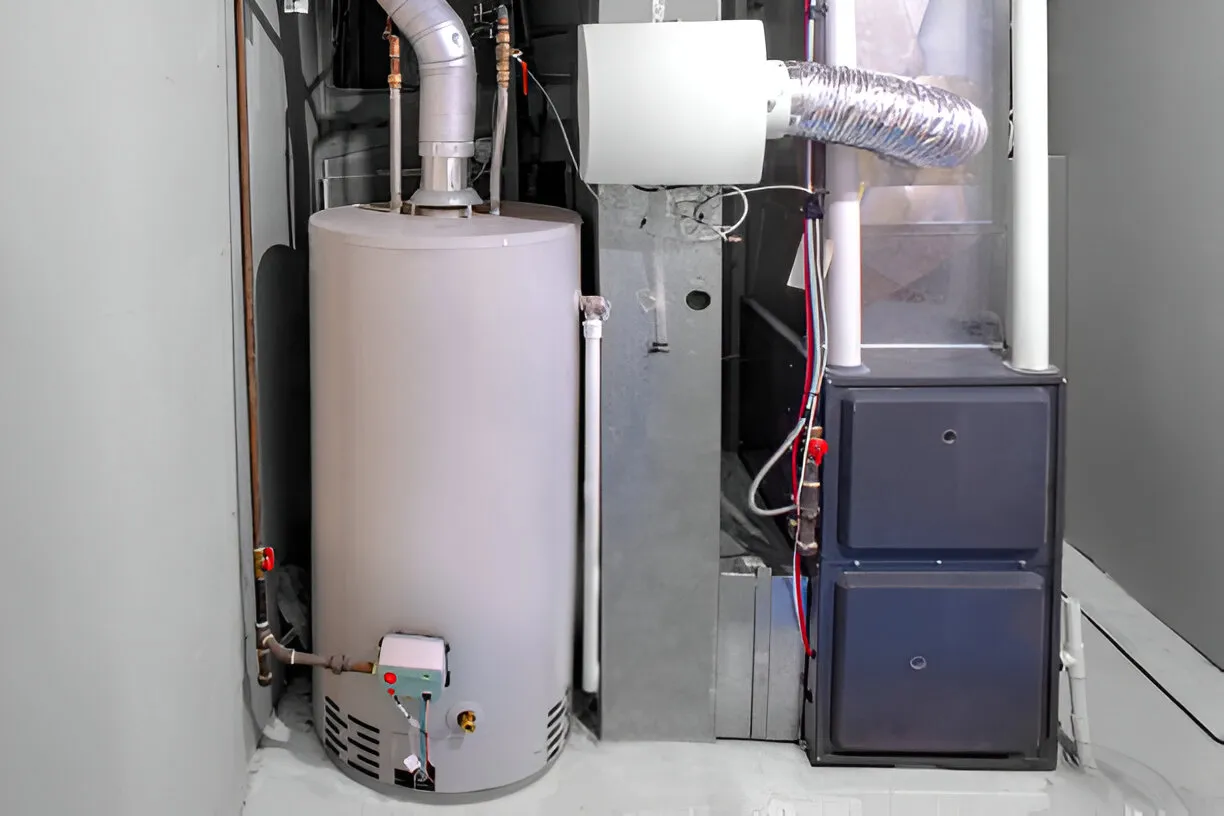
Why seasonal furnace maintenance matters in German Village
German Village homes often have smaller basements or mechanical spaces and original chimneys and flues. Those features make regular inspections and tune ups more important because:
- Older furnaces and tight ductwork can lose efficiency faster than modern systems.
- Brick chimneys and shared walls increase the risk of flue leaks or venting problems.
- Columbus winters bring sustained cold periods that put extra runtime on equipment.
- Historic homes tend to be more airtight after energy upgrades, increasing the importance of combustion safety and carbon monoxide checks.
A proper furnace maintenance plan helps prevent midwinter breakdowns, improves comfort, and protects indoor air quality in these conditions.
Common furnace maintenance issues in German Village
Residents in this neighborhood commonly encounter:
- Dirty or clogged filters causing reduced airflow and short cycling
- Weak or uneven heat due to blocked vents, closed dampers, or aging blower motors
- Pilot light or ignition problems in older gas furnaces
- Drafts or chimney/vent blockage from mortar degradation or nests
- Corroded burners, soot buildup, or incomplete combustion in older systems
- Leaky or undersized ductwork in tight rowhouse layouts
- Thermostat calibration drift leading to temperature swings
Identifying these problems during routine checks prevents costly emergency repairs and restores peak performance.
What a comprehensive seasonal check includes
A professional furnace tune up for German Village homes generally follows a consistent checklist tailored to residential systems. Typical elements are:
- Visual system inspection: cabinet, panels, filters, vents, and accessible duct runs
- Filter replacement or cleaning and recommendation of MERV rating appropriate for the home
- Combustion and venting inspection: burner condition, flame quality, flue draft, and chimney interface
- Safety control checks: limit switches, pressure switches, and pilot or ignition operation
- Blower and motor maintenance: belt inspection, lubrication if required, and measuring amp draw
- Electrical checks: wiring, connections, capacitors, and control board diagnostics
- Thermostat verification: set point accuracy and response testing
- Heat exchanger inspection: visual check for cracks or corrosion that could allow combustion gases into the home
- System performance testing: temperature rise, gas pressure where applicable, and overall efficiency estimation
- Recommendations for minor repairs, air sealing, or duct sealing if needed
Technicians will document findings and explain recommended next steps in plain language so homeowners understand priorities.
Filter and component maintenance explained
Filters are the first line of defense for furnace efficiency and indoor air quality. In German Village homes:
- Replace disposable filters every 1 to 3 months depending on type and household factors.
- Consider higher-grade pleated filters if dust or pollen is a concern, but verify furnace compatibility.
- Clean or service blower wheels and evaporator coils to maintain airflow; restricted airflow causes overheating and short cycles.
- Inspect condensate lines and traps on high-efficiency units to prevent clogs and secondary water damage in tight basements.
Proper component care reduces wear on the blower motor and extends overall system life.
Safety and combustion inspections you should expect
Safety checks are nonnegotiable in a maintenance visit, especially in older homes:
- Carbon monoxide tests at the furnace and key living areas
- Heat exchanger visual check and combustion analysis when possible
- Flue and chimney inspection for blockages, creosote, or structural concerns
- Verification of correct vent termination and clearances
- Testing of safety shutoffs, gas line fittings, and pressure regulators
These tests protect occupants and confirm the furnace is not creating hazardous conditions after winterization or home renovations.
Benefits of regular maintenance for longevity and efficiency
Consistent maintenance delivers measurable advantages:
- Improved fuel efficiency and lower heating bills
- Fewer emergency repairs during peak cold snaps
- Longer equipment life and more reliable performance
- Better indoor comfort and more even heating throughout the home
- Early detection of issues like cracked heat exchangers or failing motors
- Safer operation with lower carbon monoxide and combustion risks
For older German Village homes, these benefits also help preserve historic structures by preventing moisture or exhaust damage to chimneys and masonry.
What maintenance plans and service agreements typically include
Maintenance agreements are designed to make annual care predictable and cost effective. Typical features include:
- Scheduled seasonal tune ups (commonly one or two visits per year)
- Priority scheduling during high-demand periods
- Discounted labor or parts on repairs performed while under agreement
- Waived or reduced service fees for covered seasonal checks
- Reminder calls or digital scheduling to ensure timely visits
- Written inspection reports and recommended maintenance timelines
- Optional add-ons like filter delivery, duct cleaning, or smart thermostat setup
These plans are useful in communities like German Village where older systems and limited mechanical access make planned service preferable to emergency responses.
How recurring maintenance is scheduled and managed
A well-run maintenance program makes recurring care low effort:
- Appointments are scheduled seasonally to prepare systems before winter and after summer
- Technicians typically follow a standardized checklist and leave a report at the home
- Records of previous visits, components serviced, and parts replaced are kept to inform future work
- Many plans include calendar reminders and pre-scheduled annual visits so homeowners do not need to remember dates
For busy homeowners in historic neighborhoods, this predictable approach reduces downtime and helps protect both HVAC equipment and the home itself.
Practical maintenance tips for German Village homeowners
- Schedule a fall tune up before the first sustained cold period to avoid emergency late-night repairs.
- Replace filters on a strict schedule; set a reminder tied to seasonal checks.
- If your home has a masonry chimney, include a chimney sweep and flue inspection as part of your maintenance cycle.
- Consider zone control or smart thermostats to balance heat in multi-level rowhouses.
- Ask for documented findings so you can prioritize repairs that protect safety and efficiency.
Regular furnace maintenance is an investment in safety, comfort, and long-term savings—especially in German Village homes where system access and historic construction present unique challenges. Routine care keeps your system running efficiently and helps ensure reliable heating when central Ohio temperatures drop.
Hot Deals & Cool Savings

.webp)
New Service Agreement Membership
.webp)
Any New Client Service
Next Service for Referring a New Client
New Service Agreement Membership
Any New Client Service
Next Service for Referring a New Client
.webp)
.webp)

Service Areas
