
Furnace Repair in German Village, OH
Furnace Repair German Village, OH: fast, safety-focused diagnostics and expert repairs for historic homes. Schedule service today and improve comfort.

Furnace Repair in German Village, OH
Your furnace is the primary heat source for many German Village homes, and when it fails in the middle of a Columbus winter it becomes both an inconvenience and a safety concern.
Why timely furnace repair matters in German Village
German Village is known for well-preserved, century-old brick homes with original basements, chimneys, and compact mechanical spaces. Those historic footprints combined with central Ohio winters mean:
- Older furnaces or patched ductwork are more common and more likely to fail under cold stress.
- Limited access and tight basements can increase labor time for diagnostics and repairs.
- Historic preservation and local building codes may require specific venting or permit work for major replacements or flue modifications.Prompt, professional repair restores comfort, prevents frozen pipes, reduces energy waste, and addresses safety risks like carbon monoxide.
Common furnace issues we diagnose in German Village homes
Technicians typically see the same handful of problems repeatedly. Knowing these helps you understand likely causes and the repair workflow.
- Ignition and pilot problems
- Failed hot surface ignitors, dirty pilot assemblies, or faulty gas valves.
- Blower and airflow failures
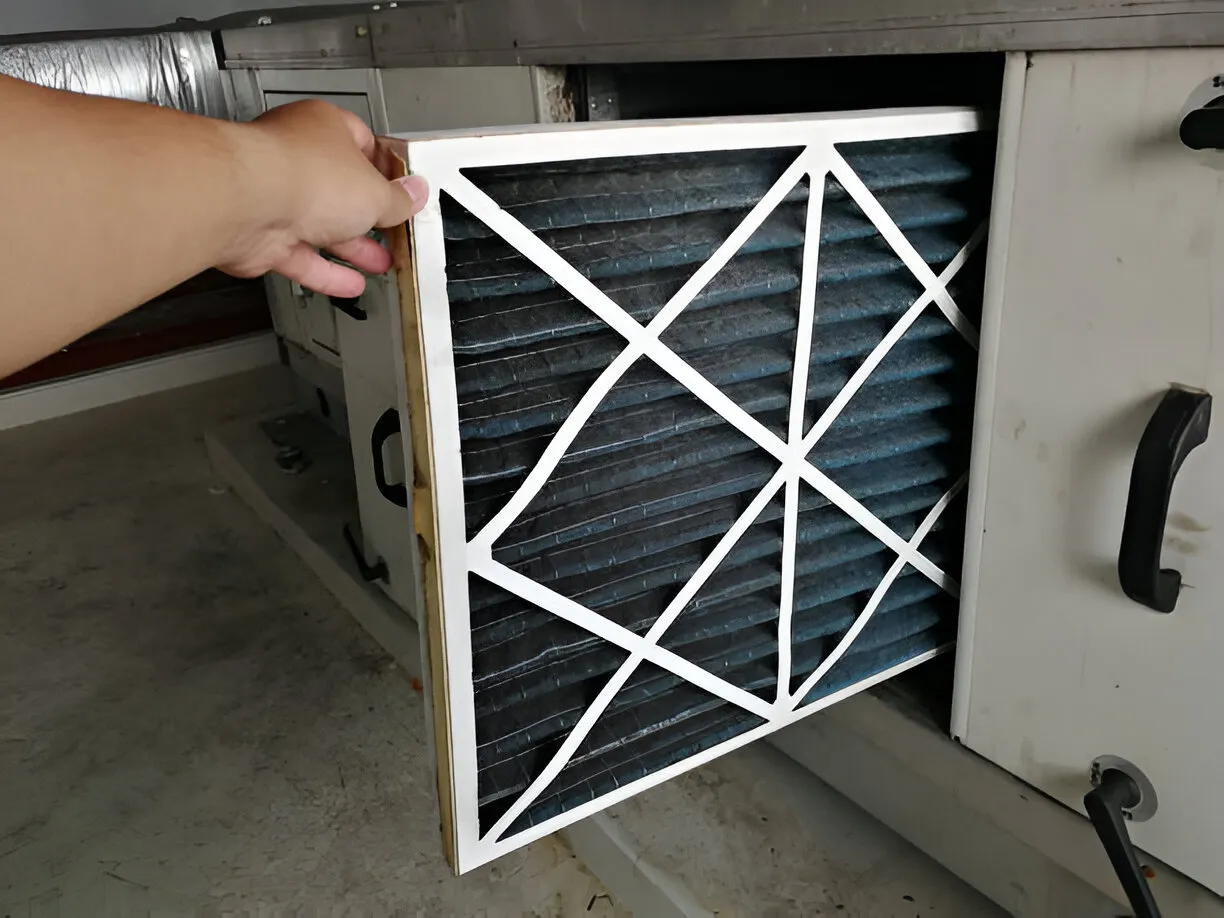
- Blower motor failure, worn belts (on older units), clogged filters, or obstructed return vents.
- Heat exchanger problems
- Cracks, corrosion, or rust in the heat exchanger that can cause dangerous combustion leakage.
- Electrical and control faults
- Failure of control boards, limit switches, or failed thermostats.
- Fuel supply and venting issues
- Gas pressure problems, blocked chimneys, flue drafts, or improper vent termination.
- Intermittent cycling, no heat, or strange noises
- Could be anything from a failing motor to delayed ignition or failing bearings.
Typical diagnostic procedure
A thorough, methodical diagnostic is key to a safe and accurate repair estimate. Expect technicians to follow these steps on arrival:
- Safety first
- Visual safety check, shutoff of compromised components, and initial carbon monoxide screening if combustion smells or symptoms exist.
2. System history and symptom check
- Confirm what you’re experiencing and note recent maintenance history or prior repairs.
3. Visual and mechanical inspection
- Check flame patterns, burners, heat exchanger access ports, venting, and blower assembly.
4. Electrical and control testing
- Measure voltages, current draw on motors, thermostat signals, and diagnostic codes from control boards.
5. Combustion and vent testing (for gas/propane units)
- Draft, flue clearance, and combustion efficiency readings when applicable.
6. Written findings and transparent estimate
- A clear explanation of needed repairs, parts, labor, timeline, and any permit considerations for German Village historic homes.
Expected repair workflow
Once a problem is identified, repairs usually follow this predictable path:
- Written estimate: operators present options (repair vs. replacement when applicable) and parts needed.
- Parts sourcing: common parts often stocked for same-day repairs; specialty or obsolete parts may require ordering.
- Repair and replacement: technicians replace failed components, adjust controls, and repair minor duct or vent issues.
- Safety verification: after repairs, run the system to verify safe combustion, correct airflow, and proper electrical operation.
- Final testing and cleanup: carbon monoxide check, thermostat calibration, and leaving the area clean with documentation of parts and work performed.
- Follow-up recommendations: filter size/maintenance advice, and timing for next inspection or potential replacement.
Parts availability and older systems
German Village’s older furnaces sometimes require hard-to-find components. Technicians balance repair vs. replacement based on safety, cost, and parts availability:
- Common parts typically stocked: ignitors, flame sensors, capacitors, blower motors, bearings, control boards, gas valves, pressure switches, and filters.
- Rare or obsolete parts: may require sourcing through specialty suppliers, salvage, or modern retrofit components. When parts aren’t available or are no longer reliable, replacement is often recommended.
- OEM vs. aftermarket: OEM parts are preferred for long-term reliability; high-quality aftermarket parts are used when OEMs are unavailable or cost-prohibitive.
Safety checks every repair includes
Safety is the primary concern in any furnace repair. Key checks performed during and after repair:
- Heat exchanger inspection for cracks, corrosion, or visible breach.
- Carbon monoxide testing at the register and near the furnace cabinet.
- Venting and chimney inspection for blockages, backdrafts, and proper terminations.
- Gas line leak detection and pressure verification.
- Electrical safety checks including proper wiring, secure connections, and correct breaker sizing.
- Combustion performance where applicable to ensure proper fuel/air balance.
Emergency service options and response considerations
Life-safety issues — total no-heat during freezing temperatures or suspected gas leaks — require immediate attention. Emergency response options typically prioritize:
- No-heat situations during extreme cold
- Suspected gas leaks or confirmed carbon monoxide alarms
- Furnace failures that create unsafe conditions (smoke, flame rollout, severe electrical faults)In historic neighborhoods like German Village, access logistics and on-street parking may affect response time and equipment staging, so technicians plan for tight workspaces.
Understanding cost estimates (what affects price)
Rather than a fixed price, furnace repair costs reflect several factors:
- Type and age of the furnace (gas, electric, propane; older models often cost more to repair)
- The specific failed component and whether it’s standard or obsolete
- Labor time, which increases with difficult access in older German Village homes
- Safety-related work (heat exchanger replacement, flue repairs) and any required permits or inspections
- Whether the repair is an emergency or scheduled visitAll estimates should be written, transparent, and explain options (repair, rebuild, or replacement), plus any warranties on parts and labor.
Technician credentials and workmanship assurances
Look for licensed, insured technicians with training on major furnace brands and combustion safety. Relevant credentials typically include:
- Ohio state licensing and local permit familiarity for Columbus/German Village
- Specialized training on gas-fired equipment and combustion analysis
- Background-checked, professional technicians experienced working in older homes with historic constraintsReputable service includes written documentation of repairs, itemized invoices, and parts/labor warranty information.
Preventive advice and final benefits
Regular maintenance reduces the likelihood of mid-winter breakdowns in German Village homes. Benefits of timely repair and routine service include:
- Safer operation with lower carbon monoxide risk
- Improved energy efficiency and lower heating costs
- Extended equipment lifespan and fewer emergency calls
- Consistent home comfort through cold snaps common to central Ohio winters
When you need furnace repair in German Village, OH, a clear diagnostic, safety-first repairs, and technicians familiar with older local homes ensure the right balance between immediate fixes and long-term value.
Hot Deals & Cool Savings

.webp)
New Service Agreement Membership
.webp)
Any New Client Service
Next Service for Referring a New Client
New Service Agreement Membership
Any New Client Service
Next Service for Referring a New Client
.webp)
.webp)

Service Areas
