
Furnace Replacement in German Village, OH
Furnace replacement in German Village, OH improves comfort, efficiency, and reliability. Learn more and schedule a free assessment today.

Furnace Replacement in German Village, OH
Replacing a furnace in German Village, OH is often the best way to restore consistent comfort, reduce winter energy bills, and protect older homes from cold-weather strain. Homes in German Village are a mix of historic brick rowhouses and renovated properties with varying duct layouts and limited basement space. That means furnace replacement decisions should account for tight installation clearances, older chimneys, and the Columbus area climate, which brings cold winters and occasional deep freezes that stress aging heating systems.
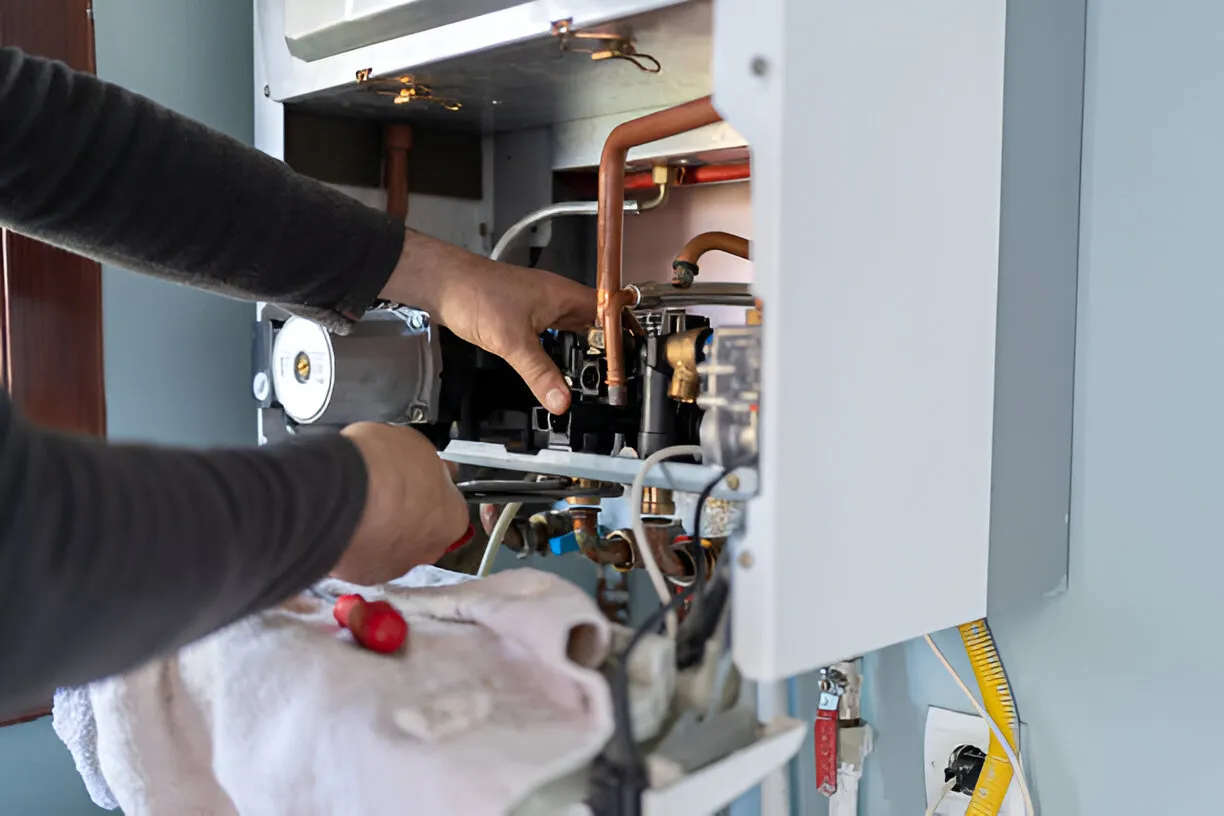
Common signs you need a new furnace in German Village
If your furnace exhibits any of the following, replacement is likely the most cost-effective solution rather than repeated repairs:
- Frequent breakdowns or service calls during heating season
- Furnace age over 15 to 20 years and declining reliability
- Rising heating bills despite similar use patterns
- Uneven heat, cold rooms, or airflow issues not fixed by simple repairs
- Loud or unusual noises such as rattling, booming, or continuous cycling
- Short cycling (turning on and off quickly) or difficulty maintaining set temperature
- Yellow flame, cracked heat exchanger, or odor of gas or combustion productsWhen older equipment fails in winter, quick replacement reduces risk of freeze damage to pipes and prolonged discomfort.
Energy-efficiency comparisons and what they mean for your home
New furnaces are measured by AFUE, or Annual Fuel Utilization Efficiency. Typical categories:
- Standard efficiency: 80 to 85% AFUE
- High efficiency condensing furnaces: 90 to 98% AFUE
- Variable- or modulating-stage systems with ECM blower motors provide better comfort control and lower running costs
In practical terms, replacing an 80% AFUE unit with a 95% AFUE model can cut fuel consumption significantly. Homes in German Village with older, leaky ductwork will see more modest savings unless ducts are sealed or upgraded. Modern furnaces also improve indoor comfort through better airflow, more consistent heat distribution, and quieter operation.
Sizing and system selection for German Village homes
Correct sizing is critical. Oversized units short cycle and waste energy; undersized units struggle to heat during cold snaps. Key considerations:
- Conduct a Manual J load calculation to determine accurate heat loss for your specific home
- Factor in insulation levels, window types, exposed brick walls common in historic homes, and occupancy
- Check duct condition and layout; in tight rowhouses you may need compact or upflow/downflow configurations
- Evaluate fuel options: natural gas is common in Columbus, but electric furnaces, high-efficiency heat pumps, or hybrid systems may suit certain homes
Choose features that match your priorities:
- Single-stage burners for lower upfront cost
- Two-stage or modulating burners for better comfort and efficiency
- Variable-speed ECM blowers for quieter, more even airflow
- Compatible controls and thermostats that support zoning if you want targeted comfort in different rooms
Removal and disposal of the old unit
Removal of an old furnace includes:
- Safe disconnection of gas, electrical, and venting connections
- Inspection of flue, chimney, and heat exchanger for corrosion or cracks
- Proper disposal or recycling of metal components and hazardous elements per local regulationsOlder units may require additional steps:
- Assessment for asbestos-containing materials around flues or duct insulation with certified abatement if required
- Chimney liner replacement or installation for venting modern high-efficiency units
Proper disposal prevents environmental hazards and ensures the new system is installed to current code.
Typical installation timeline
A straightforward furnace replacement in a home with accessible equipment and sound ductwork often follows this schedule:
- Pre-install assessment and Manual J sizing (site visit, measurements)
- Day of installation: removal of old furnace, minor duct or vent adjustments, placement and rough-in of new unit (1 day)
- Final hookup, startup, system testing, thermostat setup, and cleanup (same day or following morning)Total time: 1 to 3 days for most German Village homes. Complex installations involving new ductwork, chimney work, or replacing a non-compatible fuel source may take longer and require permits and inspections.
Rebates, incentives, and financing options
Homeowners should explore multiple financial pathways to reduce upfront cost:
- Local utility or Columbus-area energy efficiency programs often provide rebates for high-efficiency furnaces or duct sealing
- Federal and state tax credits for qualifying high-efficiency systems or heat pumps may be available for certain years
- Manufacturer rebates on select models may apply at time of purchase
- Financing options or payment plans through lenders or HVAC providers can spread cost over time
When evaluating rebates, keep records such as manufacturer performance certificates and installation receipts, and confirm program requirements before purchase.
Expected efficiency and comfort improvements after replacement
Upgrading to a modern furnace typically delivers:
- Lower monthly heating costs, often noticeably when moving from equipment older than 15 years
- More even temperature distribution and fewer cold spots
- Reduced noise and improved indoor air quality when combined with upgraded filters or air cleaners
- Faster recovery after thermostat setbacks
- Improved reliability and fewer emergency repairs during extreme cold events
In German Village, where winter comfort is essential and older home envelopes vary, pairing a new furnace with duct sealing and basic insulation improvements offers the best overall performance.
Maintenance and long-term value
A new furnace still requires regular care to maintain efficiency and longevity:
- Annual professional tune-up and safety inspection before heating season
- Replace filters monthly to quarterly based on type and household conditions
- Keep vents and returns clear; maintain proper airflow
- Consider enrolling in an equipment maintenance plan to protect warranties and catch small issues early
Timely replacement reduces the risk of mid-winter failures, improves home comfort, and often increases resale appeal in historic neighborhoods.
Hot Deals & Cool Savings

.webp)
New Service Agreement Membership
.webp)
Any New Client Service
Next Service for Referring a New Client
New Service Agreement Membership
Any New Client Service
Next Service for Referring a New Client
.webp)
.webp)

Service Areas
