
IAQ Products in Linden, OH
Discover IAQ products for Linden, OH homes—purifiers, humidifiers, UV-C, and odor control. Learn installation and maintenance for homeowners.

IAQ Products in Linden, OH
Clean indoor air matters in Linden, OH. Local homes face humid summers, cold dry winters, seasonal pollen, and occasional basement moisture that together worsen allergies, asthma, odors, and mold risk.
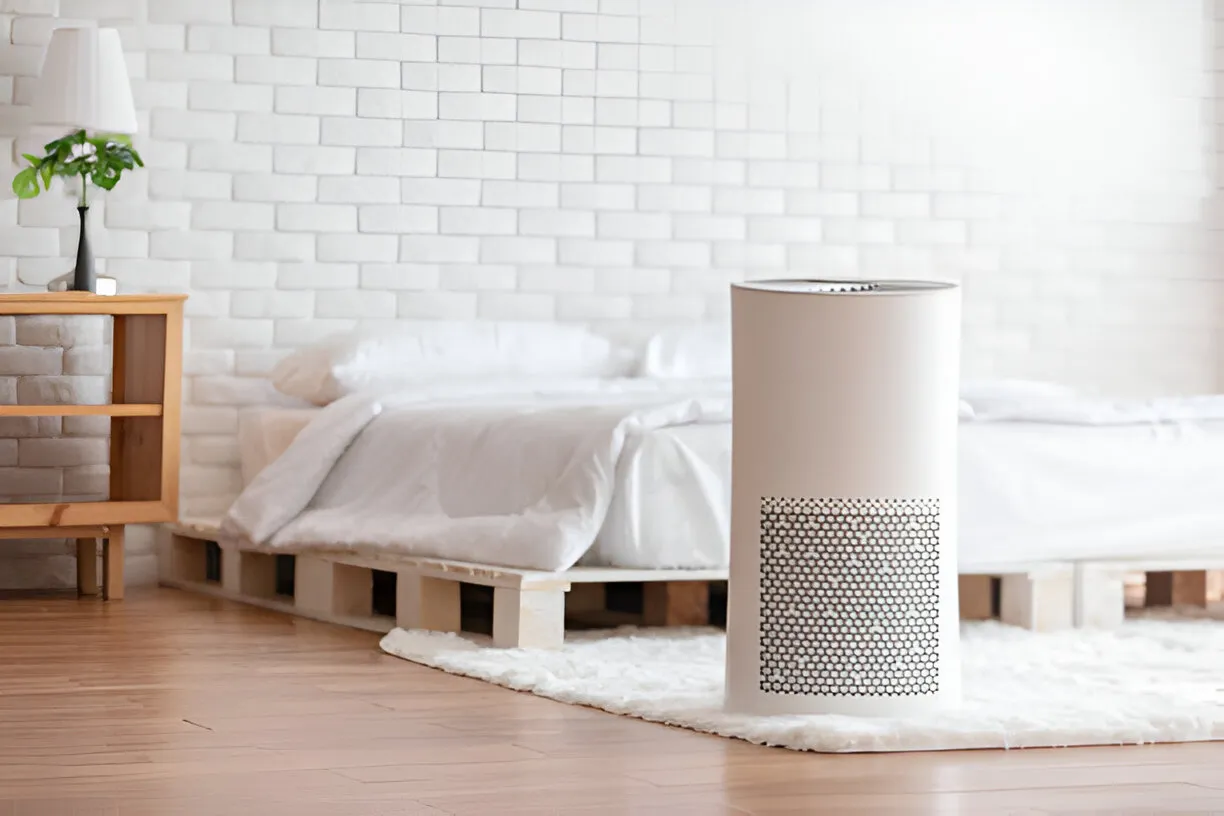
Common IAQ needs in Linden homes
- Seasonal allergy relief from spring pollen and fall ragweed
- Moisture control in basements and crawlspaces during humid months
- Dry indoor air during winter heating that aggravates respiratory conditions
- Odor management from cooking, pets, or tobacco
- Reducing particulate matter during regional smoke events or construction
IAQ product types and how they work
- Air purifiers (portable): Standalone units that remove particles using HEPA or electrostatic filters and often include activated carbon for odors. Ideal for bedrooms, living rooms, and small apartments.
- Whole-house filters / in-duct systems: Installed on the HVAC return to treat the entire home. Options include high-MERV filters, HEPA-capable systems, and integrated carbon or UV modules.
- Filters: Rated by MERV. Higher MERV captures smaller particles but increases resistance on HVAC systems. Typical range: MERV 8 (basic dust) to MERV 13+ (captures smaller allergens and some smoke particles).
- Humidifiers: Add moisture to dry winter air; available as whole-house or portable. Maintain relative humidity (RH) between 30 and 50% to balance comfort and mold prevention.
- Dehumidifiers: Remove excess moisture to prevent mold in basements and high-humidity rooms. Capacity measured in pints per day.
- UV / UV-C systems: In-duct or localized lamps that inactivate bacteria, viruses, and mold spores on coils and passing air. Most effective when paired with filtration.
- Odor control systems: Activated carbon adsorption, catalytic oxidation, and specialty media designed to remove VOCs and odors. Avoid ozone generators for occupied spaces.
Key performance metrics to compare
- CADR (Clean Air Delivery Rate): Measured in cubic feet per minute (cfm). Higher CADR equals faster cleaning for particles like smoke, dust, and pollen. Use CADR to size portable purifiers to room volume.
- Practical sizing formula: CADR required = (room volume in cubic feet) x (desired air changes per hour) / 60. Example: 12 ft x 15 ft room with 8 ft ceiling = 1,440 cu ft. For 4 air changes per hour (good baseline), CADR = 1,440 x 4 / 60 = 96 cfm.
- ACH (Air Changes per Hour): How many times the purifier or system replaces the room air each hour. Aim for 4 to 6 ACH for allergy protection; higher for immunocompromised occupants.
- MERV rating: Filter efficiency on central systems. MERV 8-11 good for general dust and pollen; MERV 13 recommended for improved filtration of fine particles and some smoke. Confirm HVAC fan capacity before upgrading to high-MERV filters.
- HEPA efficiency: True HEPA captures 99.97% of particles down to 0.3 micron. Best option when micro-particle removal is a priority.
- Noise and energy: Portable units range from quiet 20-30 dB on low to 50-65 dB on high. Power use commonly 10-100 watts depending on fan speed and size.
- Dehumidifier capacity: Rated in pints per day. Choose based on basement size and typical humidity levels. Larger capacities needed for damp basements or laundry rooms.
Choosing the right solution for your home and health needs
- For seasonal allergies or a single problem room: a portable HEPA air purifier sized by CADR and ACH is often the most cost-effective choice.
- For whole-home concerns or multiple occupants: an in-duct high-MERV filter or whole-house air purifier provides continuous protection when the HVAC fan runs.
- For mold or persistent damp basements: a dehumidifier sized to the space and typical humidity levels is essential to lower mold risk.
- For winter dryness and respiratory comfort: a whole-house or room humidifier set to maintain 30-50% RH helps reduce nasal irritation and static.
- For odors and VOCs: combine activated carbon filtration with source control; carbon changes need regular replacement.
- For immune-compromised residents or high pathogen concerns: combine HEPA filtration with UV-C and increased ACH for best in-home protection.
Installation and maintenance expectations
- Installation
- Portable units: plug-and-play, place in the breathing zone of the room (near seating or sleeping areas), avoid obstructions to airflow.
- In-duct and whole-house systems: professional installation recommended to ensure compatibility with existing HVAC, correct sizing, and proper sealing.
- UV/UV-C lamps: require correct placement for exposure and professional wiring if integrated into the HVAC system.
- Maintenance
- Pre-filters: check and clean monthly; they protect the main filter and extend service life.
- HEPA filters: typically replaced every 6 to 12 months depending on use and local conditions.
- Carbon filters: replace every 3 to 6 months for active odor control.
- UV lamps: normally replaced annually to maintain output.
- Humidifier pads/filters: clean or replace monthly in winter; follow manufacturer guidance to prevent mineral buildup.
- Dehumidifier coils and condensate pans: clean seasonally; drain lines should be inspected to avoid overflow.
- Keep records of filter change dates and seasonal checks, especially in Linden where humidity swings demand vigilance.
Warranty, reliability, and what to expect long term
- Typical warranties range from 1 to 5 years for portable units and 3 to 10 years for whole-house components. Warranties often cover defects in materials and workmanship but may exclude consumables like filters and UV lamps.
- Expect steady performance when units are sized correctly and maintained regularly. Increased energy use is modest for most purifiers but may be higher for whole-house fans or continuous operation.
- Document serial numbers and purchase dates to streamline warranty claims and keep replacement parts available locally or through HVAC suppliers.
What these products will and will not do
- IAQ products reduce particles, some microbes, odors, and moisture when selected and maintained correctly. They can significantly improve comfort and reduce allergy symptoms in Linden homes.
- They are not a substitute for source control: mold remediation, ventilation fixes, and removing pollutant sources are often required for lasting results.
- Radon mitigation requires specific testing and mechanical mitigation systems; standard IAQ products do not remove radon gas.
Final considerations for Linden, OH homeowners
Selecting the right mix of IAQ products depends on room size, the specific pollutant or health concern, and local climate factors like humidity swings and pollen seasons. Combining filtration, moisture control, and targeted technologies like UV-C or carbon adsorption provides layered protection that addresses the most common indoor air quality challenges in Linden homes. Regular sizing, compatibility checks with existing HVAC equipment, and a predictable maintenance plan will keep your IAQ investment performing reliably over time.
Hot Deals & Cool Savings

.webp)
New Service Agreement Membership
.webp)
Any New Client Service
Next Service for Referring a New Client
New Service Agreement Membership
Any New Client Service
Next Service for Referring a New Client
.webp)
.webp)

Service Areas
