
Whole House Air Purifiers in Linden, OH
Whole-house air purifiers in Linden, OH improve indoor air quality with HEPA, UV, and carbon options. Learn more about installation and maintenance.

Whole House Air Purifiers in Linden, OH
Whole-house air purifiers treat the air throughout your home by working with your existing heating and cooling system. For Linden, OH homes facing high spring pollen, humid summers that encourage mold, and long winters when homes stay closed up, a properly selected and installed whole-house system can noticeably reduce allergy symptoms, asthma triggers, dust, pet dander, and some odors. Below is a practical, decision-focused guide to the main options, how they work, compatibility with existing HVAC equipment, maintenance expectations, and real-world performance you can expect in Linden-area homes.
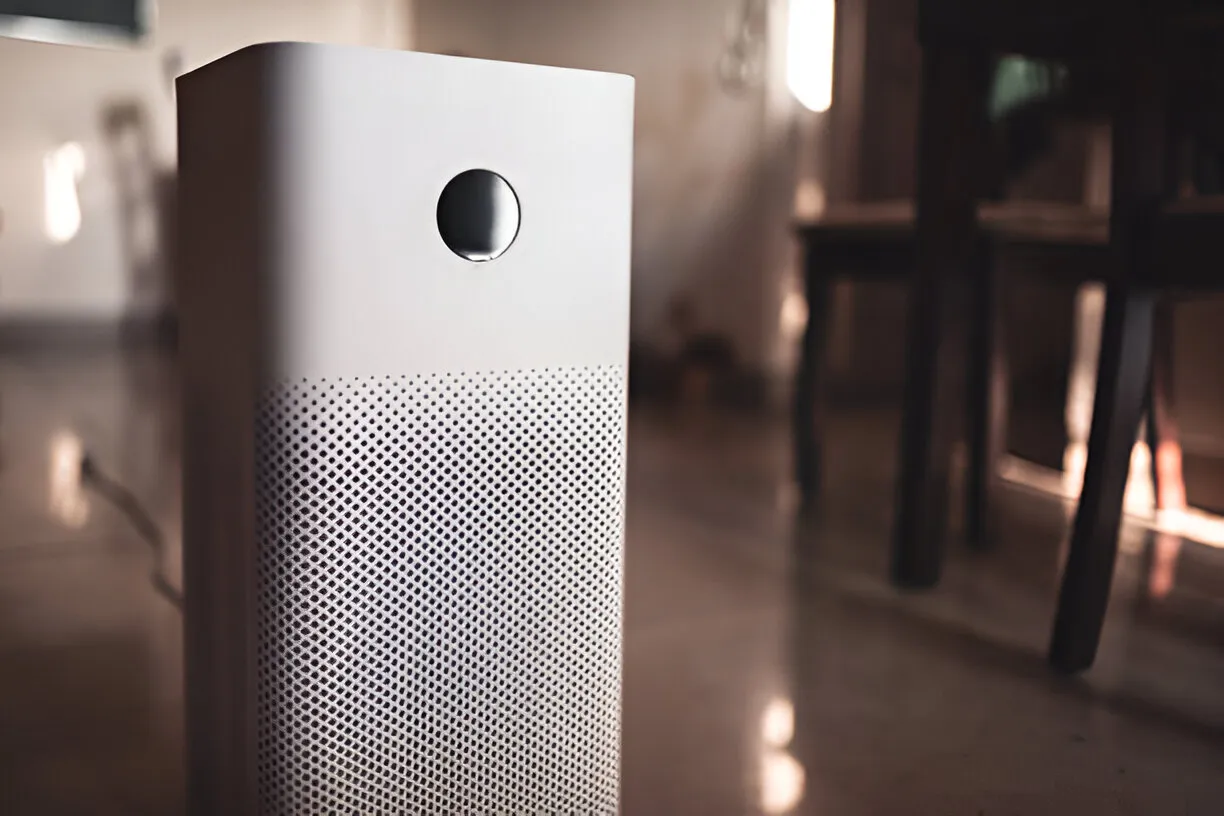
Common whole-house air purifier options and how they work
- In-duct media filters (high-MERV filters)
Thick pleated or panel filters installed in the return duct. Capture a wide range of particle sizes depending on MERV rating. They are simple, low-maintenance, and cause modest pressure drop when matched to the system. - True whole-house HEPA systems
HEPA removes 99.97% of particles 0.3 microns as air passes through, but true HEPA often requires a dedicated bypass or an air handler set up to accommodate higher pressure drop. Ideal when occupants have severe allergies or asthma. - Electronic air cleaners (electrostatic precipitators, electronic cells)
Use an electric field to charge and capture particles on collection plates. They can remove fine particles with lower pressure drop, but require regular cleaning of collector cells. Some older or cheaper units can produce small amounts of ozone; modern certified units minimize this. - UV systems
Ultraviolet lamps are mounted near the coil or in the duct to inactivate bacteria, viruses, and mold spores. UV does not remove particulates or odors but is an effective complement for biological control, especially in humid Linden basements and crawlspaces. - Activated carbon or sorbent media
Used in combination with particulate filters to adsorb common indoor gases and odors (cooking, cleaners, off-gassing). Important when indoor VOCs are a concern.
Contaminant removal capabilities
- Particulates (pollen, dust, pet dander): High-MERV media and HEPA are best. HEPA captures the smallest particles most reliably.
- Mold spores and bacteria: HEPA plus UV reduces airborne spores and in-duct UV reduces microbial growth on coils and in drip pans.
- Odors and VOCs: Activated carbon media or dedicated carbon modules are needed; particulate filters and UV do not remove gases.
- Smoke and fine PM2.5: HEPA and high-efficiency media are most effective. Electronic cleaners also capture fine particles but verify ozone emissions.
Sizing and compatibility with existing HVAC systems
- Match purifier capacity to your system’s airflow (measured in CFM). A system sized for your furnace or air handler can circulate treated air through the whole home; undersized purifiers or high-pressure-drop filters can reduce system efficiency.
- Check static pressure limits: high-MERV or HEPA modules increase resistance. Many standard residential air handlers cannot accept a true HEPA filter without modifications or a bypass fan.
- Evaluate ductwork integrity: leaks reduce whole-house effectiveness. Proper sealing and return-path design help achieve even distribution in multi-level Linden homes.
- For homes with central air and reasonable ductwork, in-duct media or electronic cleaners are often the most straightforward. True HEPA or dedicated whole-house units require an HVAC assessment to confirm compatibility.
Typical installation process
- Professional home assessment of HVAC capacity, duct layout, and indoor air concerns (pollen, mold, pets, smoke).
- Selection of the appropriate system type and filter media based on occupant sensitivity and system limitations.
- Installation: mounting the unit or filter cabinet in the return plenum or duct, electrical connections for electronic cells or UV lamps, and any duct modifications for bypass HEPA or carbon modules.
- System commissioning: measuring airflow and static pressure, verifying proper sealing, and confirming safe electrical and ozone emission levels for electronic systems.
- Performance testing when required: particulate counts or pressure-drop readings to confirm expected operation.
Filter replacement and maintenance schedules
- Basic disposable media filters (MERV 8-13): replace every 3 to 12 months depending on MERV rating, household occupancy, and local pollen/dust loads. Linden homes with heavy pollen seasons may need more frequent changes.
- HEPA modules: inspected annually; replacement frequency varies (commonly 1 to 3 years) based on loading and system design.
- Electronic collector cells: clean every 1 to 3 months initially, then adjust cadence to observed build-up. Cells must be reinstalled correctly to maintain performance.
- UV lamps: replace yearly. Lamp output degrades even if the bulb still lights.
- Carbon/sorbent media: replacement intervals vary widely depending on VOC load; expect more frequent replacement if cooking, smoking, or renovations are common.
Regular maintenance preserves indoor air quality, avoids excess static pressure, and extends equipment life. Annual professional inspections are recommended to verify filter fit, electrical safety, and overall system health.
Expected health and allergy benefits for Linden residents
- Reduced seasonal allergy symptoms and less nasal congestion during spring pollen peaks.
- Fewer asthma triggers from pet dander, dust mite fragments, and PM2.5 in homes with smokers or wood stoves.
- Lower mold spore counts when combined with dehumidification and UV treatment in humid months—important for basements and older homes.
- Improved perceived indoor comfort and fewer odors when a carbon stage is included.
Note: whole-house systems reduce airborne contaminants circulating through the HVAC system. Surface cleaning and source control remain important for comprehensive improvement.
Brand and system comparison checklist
When comparing systems or brands, evaluate:
- Filter efficiency ratings (MERV vs HEPA) and published pressure drop at rated airflow.
- Certification or test data for particle removal (independent lab reports are preferable).
- Ozone emissions (for electronic cleaners) and compliance with safety standards.
- Warranty, service network availability, and replacement filter/module costs.
- Integration capability with your current HVAC and whether duct modifications or bypass fans are needed.
- Options for combined solutions (HEPA + carbon, HEPA + UV) for multi-problem homes.
Real-world before/after examples (typical outcomes)
- Suburban Linden home with seasonal pollen: switching from a basic MERV 6 filter to an in-duct MERV 13 reduced airborne particulate counts during peak pollen by a large margin and resulted in noticeably fewer allergy symptoms for occupants.
- Older home with recurring musty basement odors: adding whole-house activated carbon plus coil-mounted UV reduced odor complaints and microbial growth on the coil, particularly through humid months.
- Pet-owner home: upgrading to a true whole-house HEPA-style solution (with proper system modifications) reduced visible dust and dander levels and helped decrease nighttime congestion for allergic family members.
Performance varies by home size, airtightness, HVAC condition, and maintenance discipline. Typical particulate reductions for properly designed whole-house systems range widely; higher-efficiency setups combined with good duct sealing and regular maintenance deliver the best results.
Choosing the right system for your Linden home
Consider occupant sensitivity (allergies, asthma), local seasonal issues (pollen, humidity-related mold), your HVAC system’s capacity, and how much maintenance you are prepared to perform. For many Linden residences, a high-MERV in-duct filter plus targeted UV for biological control or a carbon stage for odors offers a practical balance of performance and compatibility. For severe allergies or medically vulnerable occupants, evaluate HEPA-capable whole-house options with a professional HVAC assessment.
Short practical tips:
- Replace or inspect filters more often during spring pollen season.
- Keep humidity below 50% in summer to limit mold growth.
- Schedule an annual HVAC and air-cleaning system check to preserve performance.
Selecting and maintaining the right whole-house air purifier can significantly improve indoor air quality in Linden, OH homes when matched to your HVAC system, local environmental factors, and health needs.
Hot Deals & Cool Savings

.webp)
New Service Agreement Membership
.webp)
Any New Client Service
Next Service for Referring a New Client
New Service Agreement Membership
Any New Client Service
Next Service for Referring a New Client
.webp)
.webp)

Service Areas
