
IAQ Products in Obetz, OH
Explore IAQ products for Obetz, OH homes. Learn how purifiers, humidifiers, dehumidifiers, and ventilation boost comfort and health.

IAQ Products in Obetz, OH
Indoor air quality (IAQ) matters year-round in Obetz, OH. Between humid summers, chilly winters with sealed homes, and seasonal pollen from surrounding vegetation, many Obetz households face allergies, lingering odors, excess moisture, and increased risk from airborne pathogens. Choosing the right IAQ products—whole-house purifiers, humidifiers, dehumidifiers, ventilation systems, sensors, and filters—can transform breathing comfort, reduce allergy symptoms, and support a healthier home environment.
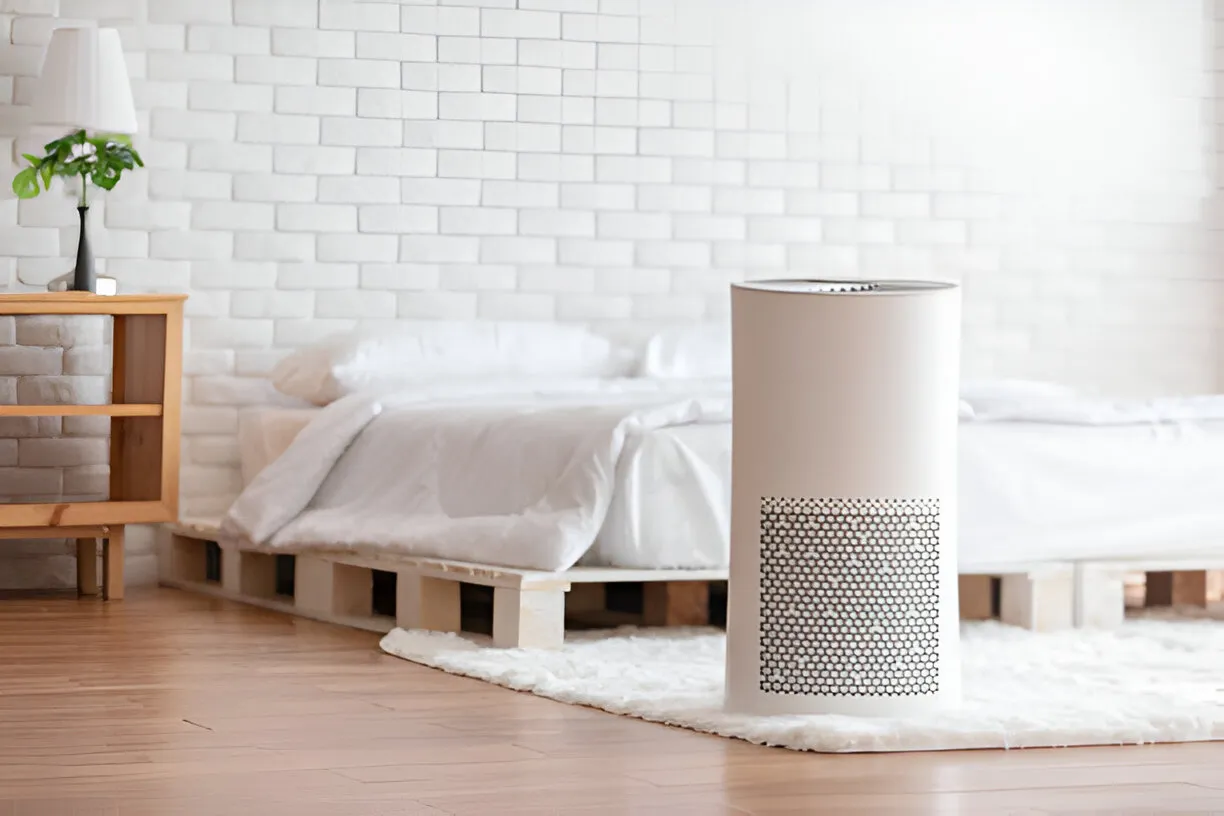
Common IAQ issues in Obetz, OH homes
- Allergens and pollen spikes in spring and fall, exacerbated by nearby greenspaces and yard work.
- High indoor humidity in summer that encourages mold growth and dust mite proliferation.
- Dry indoor air in winter from heating systems, increasing respiratory irritation and static electricity.
- Lingering cooking, pet, and basement odors in tightly sealed houses.
- Indoor particulate matter from nearby traffic or seasonal wood-burning and occasional pathogen concerns during cold/flu season.
IAQ products and how they help
Below are the primary IAQ product types and the specific benefits each provides for allergy relief, odor control, and pathogen reduction.
- Whole-house purifiers (in-duct filtration and electronic air cleaners)
- Benefit: Treats the air that circulates through your HVAC system, capturing dust, pollen, pet dander, and many respiratory particles before they redistribute through living spaces.
- Best for: Whole-home allergy management and reducing particulates without relying on portable units.
- Notes: Look for solutions compatible with your furnace/air handler that balance efficiency and system airflow.
- Humidifiers (whole-house and point-of-use)
- Benefit: Raise indoor relative humidity during Obetz winters to reduce dry throat/skin and help maintain comfort while protecting wood floors and furniture.
- Best for: Homes with forced air heat that become uncomfortably dry in winter.
- Notes: Over-humidifying can encourage mold growth; use with a hygrometer and set within recommended ranges (rough guidance later).
- Dehumidifiers (whole-house and portable)
- Benefit: Control summer and basement moisture to prevent mold and reduce dust mite populations, improving odor control and allergy outcomes.
- Best for: Basements, finished crawlspaces, and homes that trap summer humidity.
- Notes: Whole-house dehumidification pairs well with AC systems in humid months.
- Ventilation systems (ERV/HRV and demand-controlled ventilation)
- Benefit: Provide controlled fresh-air exchange, reducing indoor pollutant buildup and odors while improving overall IAQ without significant energy loss.
- Best for: Tightly sealed or newly weatherized Obetz homes needing balanced ventilation.
- Notes: ERVs help retain humidity in winter; HRVs may be preferable in very cold climates but ERVs suit Obetz seasonal needs.
- Sensors and monitors (CO2, VOC, humidity, particulate sensors)
- Benefit: Real-time data to identify when to ventilate, dehumidify, or increase filtration; helps tailor operations to occupancy and activities.
- Best for: Homes with allergy sufferers, asthma, or occupants sensitive to pollutants.
- Notes: Integration with smart home systems enables automated control and peace of mind.
- Filters (MERV-rated filters, true HEPA for portable units)
- Benefit: A primary line of defense against airborne particulates. Higher-rated filters capture smaller particles but require consideration of HVAC airflow.
- Best for: Any home; select grade to match health needs and HVAC capability.
- Notes: Portable true HEPA units provide targeted relief in bedrooms or living areas.
Choosing the right IAQ products for your home and breathing-health needs
- Home size and layout: Whole-house options make sense for centrally ducted systems; portable HEPA units are effective for targeted rooms in non-ducted spaces.
- Health priorities: For severe allergies or immunocompromised occupants, prioritize true HEPA filtration and balanced ventilation. For mold concerns, pair dehumidification with improved airflow and filtration.
- HVAC compatibility: Check blower capacity and static pressure limits before installing high-MERV media or in-duct purifiers—some systems may need upgrades to handle denser filters.
- Multi-product strategies: The most effective approach typically combines filtration + ventilation + moisture control + monitoring. For example, an ERV plus a high-efficiency filter and a basement dehumidifier covers multiple IAQ sources.
Installation and integration with existing HVAC systems
- Assessment: A professional assessment verifies ductwork condition, airflow capacity, and the right sizing for whole-house devices to avoid reduced performance or strain on the HVAC blower.
- Integration: In-duct purifiers and humidifiers attach to return or supply plenum locations; proper placement ensures even distribution and service access.
- Electrical and drainage: Humidifiers and dehumidifiers require power and, for many models, drainage. Plan for condensate lines for dehumidifiers and supply lines for humidifiers.
- Minimizing disruption: Experienced installers coordinate with your HVAC system to maintain warranty coverage and ensure safe, efficient operation.
Routine maintenance and filter replacement schedules
Regular maintenance preserves performance and indoor-health benefits:
- Standard HVAC filters (1-inch pleated): inspect monthly; replace every 1–3 months depending on use, pets, and allergy sensitivity.
- High-efficiency filters (MERV 11–16) and in-duct media: inspect every 3 months; many homes replace these every 6–12 months based on pressure drop and system recommendations.
- Portable HEPA filters: replace HEPA cartridges per manufacturer guidance (often 6–12 months), and pre-filters more frequently.
- Humidifiers: clean and sanitize seasonally; replace pads/wicks per manufacturer guidance (often annually).
- Dehumidifiers: clean coils and drain lines monthly during heavy use; empty or service collection containers as required.
- Ventilation systems (ERV/HRV): inspect and clean cores and filters twice yearly.
- UV lamps: replace annually or per lamp rating to maintain germicidal output.
- Sensors: calibrate or test annually; replace batteries as needed.
Monitor your HVAC system for increased static pressure or unusual noise after adding high-MERV filters—this can signal the need for system tuning.
Certifications and performance metrics to look for
- MERV rating: Indicates particle capture efficiency for in-duct filters. MERV 8–13 suits most residential needs; higher MERV values capture smaller particles but require HVAC compatibility.
- True HEPA: Look for “True HEPA” or H13/H14 where available for the highest particulate removal in portable units.
- CADR (Clean Air Delivery Rate): For portable purifiers, CADR numbers tell you how quickly a unit cleans a room of smoke, dust, and pollen; compare CADR to room size.
- ENERGY STAR: Relevant for dehumidifiers and some HVAC-related equipment to ensure energy-efficient operation.
- HVI or third-party testing: Ventilation units and portable purifiers tested by independent labs provide reliable performance data.
- Safety standards: UL listings and ozone compliance certifications are important for electronic air cleaners and ionization devices. Avoid devices that produce unsafe ozone levels and prefer products with validated, peer-reviewed testing for pathogen reduction.
Funding, rebates, and affordability options
While product costs vary, homeowners in Obetz can often offset installation or upgrade expenses through energy-efficiency rebates, utility incentive programs, or financing plans for home improvements. Energy-efficient dehumidifiers and HVAC upgrades may qualify for local or state programs; checking available incentives can improve affordability.
Final benefits and seasonal tips for Obetz homeowners
A combined IAQ strategy—appropriate filtration, balanced ventilation, humidity control, and monitoring—addresses the specific seasonal challenges in Obetz: manage humidity in summer to prevent mold, maintain moderate indoor humidity in winter for comfort, and run filtration during high pollen seasons. Properly selected and maintained products reduce allergy symptoms, control odors, and lower airborne pathogen concentrations, creating a healthier, more comfortable home environment all year.
Hot Deals & Cool Savings

.webp)
New Service Agreement Membership
.webp)
Any New Client Service
Next Service for Referring a New Client
New Service Agreement Membership
Any New Client Service
Next Service for Referring a New Client
.webp)
.webp)

Service Areas
