
Ventilation in Pickerington, OH
Ventilation Installation and service in Pickerington OH: learn ERV/HRV options, sizing basics, code guidance, installation, commissioning, and maintenance.

Ventilation in Pickerington, OH
Proper ventilation is one of the most effective ways to protect indoor air quality and home durability in Pickerington, OH. With hot, humid summers and cold winters, uncontrolled moisture, airborne pollutants, and inadequate fresh-air exchange can lead to mold, high energy bills, and discomfort.
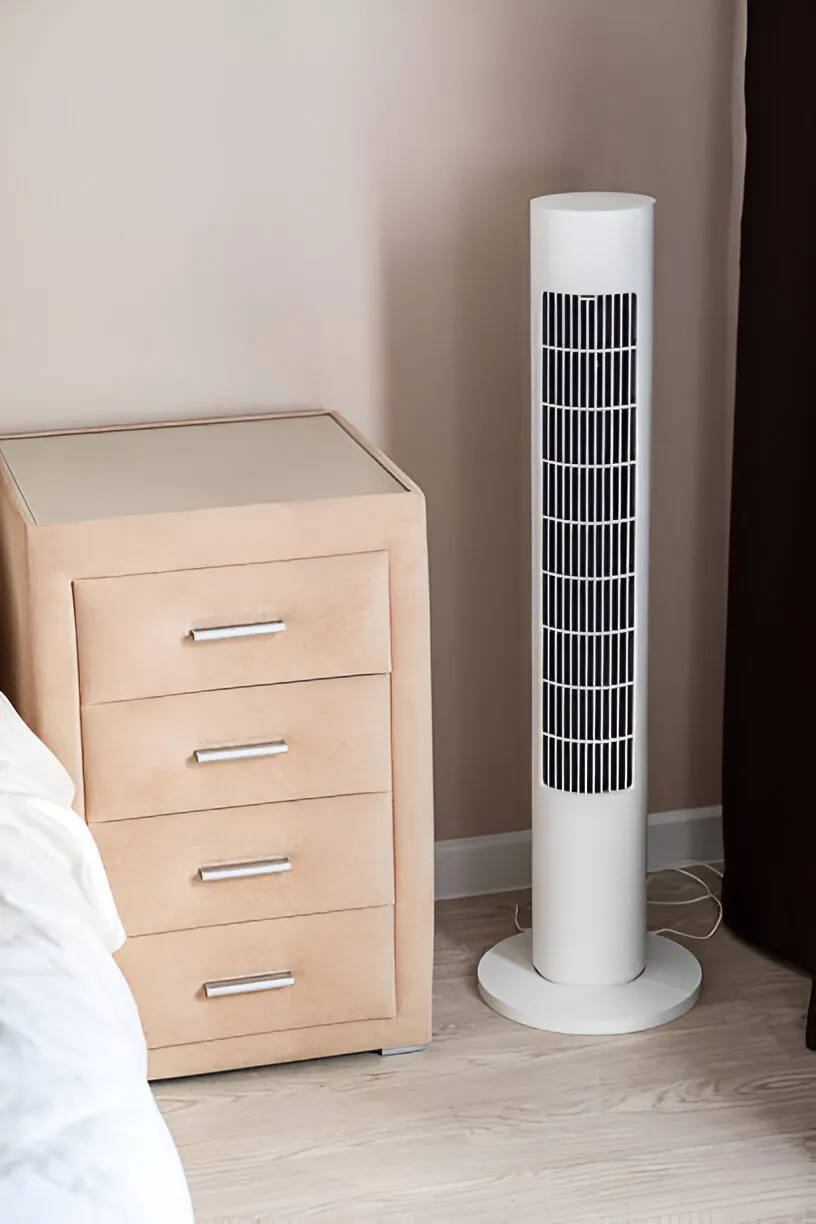
Why controlled ventilation matters in Pickerington homes
- Hot, humid summers increase the risk of indoor moisture, mold, and high cooling loads.
- Cold winters create airtighting and condensation risks if fresh air is not managed.
- Modern homes are tighter for energy efficiency, which reduces natural air leakage and traps pollutants from cooking, cleaning, pets, and off-gassing building materials.
- Controlled mechanical ventilation ensures predictable fresh-air exchange without the drafts, energy loss, or outdoor pollution concerns of open windows.
Common ventilation approaches and when to use them
- Balanced ventilation (ERV or HRV)
- ERV (Energy Recovery Ventilator): transfers both heat and moisture between incoming and outgoing airstreams. Preferred in climates with humid summers and cold winters because it helps manage indoor humidity while recovering energy.
- HRV (Heat Recovery Ventilator): transfers sensible heat only. Often chosen in cold, dry climates where moisture recovery is less important.
- Best for full-home, continuous ventilation and for homes with central HVAC.
- Supply ventilation
- Introduces filtered, measured outdoor air to the home, allowing positive pressure that helps keep pollutants out of walls and attics.
- Use when there is concern about backdrafting combustion appliances; must be sized and controlled carefully.
- Exhaust ventilation
- Removes indoor air (bathroom/kitchen exhausts or whole-house exhaust fans). Simple and lower cost but can depressurize the home and draw outdoor air through undesirable paths, potentially creating moisture or combustion-safety issues.
- Local recommendation for Pickerington: Balanced ERV systems generally provide the best year-round control of humidity and energy performance given Ohio’s hot, humid summers and cold winters.
Selecting and sizing a system
- Use ASHRAE 62.2 as the baseline for calculating continuous ventilation requirements. A common practical formula used by builders and contractors is:
- Required continuous ventilation (CFM) = 0.03 × conditioned floor area (ft2) + 7.5 × (number of bedrooms + 1)
- Example: a 2,000 ft2, 3-bedroom house ≈ 0.03×2000 + 7.5×(3+1) = 60 + 30 = 90 CFM continuous.
- Note: This is a guideline; a professional assessment should verify requirements, account for occupancy patterns, and plan for intermittent boost ventilation where needed.
- Consider these selection factors:
- Home airtightness (blower-door result): tighter homes need more mechanical ventilation.
- HVAC integration: ERV/HRV can be ducted to central systems or operate independently.
- Filtration needs: choose units that add filtration or pair with higher-efficiency filters (MERV 8–13 depending on pollutant concerns).
- Controls: timers, humidity sensors, demand-control ventilation (DCV) and smart controls optimize runtime and energy use.
- Noise and location: place cores and fans where sound and vibration will not cause occupant disturbance.
Managing humidity and indoor pollutants
- ERV benefits in Pickerington:
- Helps limit indoor humidity load in summer by transferring a portion of incoming moisture to outgoing air.
- Recovers moisture during cold dry winters to reduce over-drying and static electricity.
- Filtration strategy:
- Two-stage approach works well: ERV/HRV core filter plus an upgraded central HVAC filter to capture fine particulates and pollen.
- Consider dedicated kitchen range hood exhaust to capture cooking pollutants at the source.
- Addressing VOCs and odors:
- Increase ventilation when painting, renovating, or using strong chemicals.
- Use local exhausts and consider activated-carbon filtration in whole-house systems for persistent odors or chemical sensitivities.
Code, safety, and home-performance considerations
- Follow the International Residential Code (IRC) and ASHRAE 62.2 ventilation rates. Local permitting is typically required for mechanical system installation.
- Combustion safety:
- Verify that exhaust systems do not depressurize the house enough to backdraft gas appliances. Combustion appliance zone testing and CO safety checks are essential during commissioning.
- Where whole-house exhaust is used, provide makeup air or convert to balanced supply to avoid negative pressure.
- Energy efficiency:
- Energy-recovery devices reduce the heating and cooling penalty of ventilation, important for keeping operating costs down in Pickerington’s climate.
- Proper integration with HVAC controls and thermostats reduces needless runtime.
Installation and commissioning process
- Site assessment: measure home size, layout, existing ducts, airtightness, and pollutant sources.
- System selection and duct design: place ERV/HRV centrally; minimize duct length and turns; provide appropriately sized supply and return branches to bedrooms and living areas.
- Installation steps:
- Mount unit in conditioned or semi-conditioned space where accessible for maintenance.
- Run supply and exhaust ducts with good sealing and insulation where they pass through unconditioned space.
- Connect controls, timers, and sensors per design.
- Commissioning and verification:
- Measure airflow (CFM) at each supply and exhaust register and balance to design rates.
- Check heat and moisture recovery performance and airflow direction.
- Perform combustion safety testing and carbon monoxide checks.
- Provide occupant orientation on controls and filter access.
Maintenance and balancing
- Regular tasks:
- Replace or clean filters per manufacturer guidance (commonly every 3–12 months).
- Clean or inspect heat-exchange core annually; some ERV cores are washable, others are replaced.
- Inspect and clean ducts, condensation drains, and exterior intake/exhaust screens.
- Test airflow and recalibrate controls at least every 2–3 years or after major HVAC changes.
- Balancing:
- Seasonal checks ensure the system continues to provide the correct CFM and pressure relationships, especially after HVAC changes, insulation upgrades, or home additions.
Local incentives and rebates
- Many Ohio utilities and state energy-efficiency programs provide rebates for energy-efficient ventilation, heat-recovery units, and whole-home energy improvements. In Columbus-area and central Ohio markets, programs run by regional utilities and gas companies may reduce upfront cost for qualifying equipment or upgrades.
- Homeowners should check available incentives through their local utility, state energy office, or energy-efficiency program administrators. Incentive eligibility can be impacted by contractor certification, equipment efficiency ratings, and scope of related home-performance work.
Final considerations — benefits of getting ventilation right
A properly selected, sized, installed, and commissioned ventilation system improves indoor air quality, reduces mold and moisture risk, enhances comfort year-round, and protects HVAC efficiency in Pickerington’s mixed-humid climate. Balanced ERV systems are often the best option for local homes, but the right choice depends on house tightness, pollutant sources, and occupancy patterns. Regular maintenance and periodic balancing keep the system delivering designed performance and preserve both indoor air quality and long-term energy savings.
Hot Deals & Cool Savings

.webp)
New Service Agreement Membership
.webp)
Any New Client Service
Next Service for Referring a New Client
New Service Agreement Membership
Any New Client Service
Next Service for Referring a New Client
.webp)
.webp)

Service Areas
