
Whole House Air Filtration in Hilltop, OH
Whole House Air Filtration in Hilltop, OH improves indoor air quality by reducing allergens, dust, and odors. Learn more.

Whole House Air Filtration in Hilltop, OH
Keeping indoor air clean is essential in Hilltop, OH where seasonal pollen, humid summers, and colder winters interact with older housing stock and nearby road dust to create persistent indoor air challenges. A whole house air filtration system installed into your HVAC ductwork treats all living spaces at once, reducing allergens, dust, pet dander, and many airborne particles that aggravate asthma and allergies.
Why whole house filtration matters for Hilltop homes
- Hilltop spring and fall pollen loads increase airborne allergen levels inside homes.
- Hot, humid summers raise mold and mildew risks in ductwork and building cavities.
- Winter heating cycles trap indoor pollutants (cooking, combustion byproducts, household chemicals) when windows stay closed.
- Many local homes have older HVAC systems or single-return designs where targeted filtration can dramatically improve whole-home air quality.
Understanding these local factors helps match filtration solutions to real needs: allergy reduction, mold spore control, dust management, or odor and VOC mitigation.
Common whole house air filtration issues in Hilltop, OH
- Rapid filter loading from seasonal pollen and nearby road dust.
- Reduced HVAC airflow or higher energy use after upgrading to a high-efficiency filter without adjusting the system.
- Persistent odors or VOCs not addressed by particle filters.
- Mold and moisture-related particulates during humid months.
- Misplaced or undersized filters that allow bypass and reduce effectiveness.
Addressing these issues begins with choosing the right filter type, correctly sizing the filter cabinet, and verifying system performance after installation.
Filter types, MERV ratings, and high-efficiency options
- Fiberglass disposable filters: Low initial cost, MERV 1-4. Good for basic protection against large particles but minimal effect on allergens or fine particles.
- Pleated media filters: Common whole-house option. MERV 8-11 balances particle capture and airflow for many Hilltop homes. Pleated media is effective for dust, pollen, and pet dander.
- High MERV filters (MERV 12-13): Capture finer particles and many allergen-sized particles. Suitable for allergy and asthma sufferers if the HVAC blower can handle the added pressure drop.
- True HEPA (in-duct or standalone): HEPA captures 99.97% of 0.3 micron particles. In-duct HEPA typically requires a dedicated HEPA unit or bypass cabinet and may need HVAC modifications for airflow and pressure management.
- Activated carbon / catalytic media: Targets odors, smoke, and VOCs. Often combined with particle filtration for comprehensive indoor air quality (IAQ).
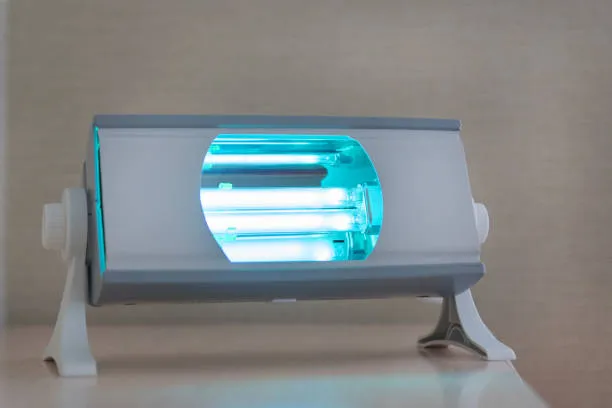
- Electronic and UV options: Electronic precipitators can remove fine particles but need maintenance and cleaning; UV targets biological growth on coils, helping control mold but not particle removal.
Installation within ductwork: what to expect
- Filter location: Whole house filters are installed at the return duct or in a dedicated filter cabinet near the air handler to treat all return air before conditioning.
- Filter cabinet sizing and sealing: Proper cabinet size prevents bypass and ensures even airflow across the filter surface. Sealing prevents unfiltered air from entering the system.
- Pressure drop and blower capacity: Higher-efficiency filters increase static pressure. An HVAC assessment should verify that the blower and duct system can maintain required airflow with the chosen filter. If not, options include a larger filter cabinet, media filters with greater surface area, or upgrading blower components.
- Electrical and structural considerations: HEPA or electronic systems may require dedicated electrical connections and additional space. Media filters and standard pleated units usually fit existing cabinets.
Benefits for allergy and asthma sufferers
- Significant reduction in pollen, pet dander, dust mites, and many mold spores when appropriate MERV-rated filtration is used.
- Fewer symptomatic days, reduced reliance on frequent surface cleaning, and lower airborne particle counts during peak seasons.
- When combined with humidity control and proper ventilation, filtration forms part of an effective strategy to reduce triggers in Hilltop homes.
Maintenance and replacement schedules
- Check filters monthly during high-pollen or high-usage periods; at minimum inspect every 3 months.
- Disposable pleated filters: Typically replaced every 3 to 6 months depending on MERV rating, pet ownership, and local dust loads.
- High-capacity media filters: Often last 6 to 12 months but require visual inspection and periodic professional servicing.
- Electronic precipitators and UV lamps: Require scheduled cleaning and lamp replacement as specified by manufacturers (UV lamps often yearly).
- Track filter changes and static pressure readings to spot abnormal trends that indicate duct leaks or excessive loading.
Indoor air testing and performance validation
- Pre-installation baseline testing: particulate counts (PM1, PM2.5, PM10), allergen panels, and VOC measurements to document starting conditions.
- Post-installation testing: Repeat the same tests to quantify reduction in particle counts and identify residual issues.
- Ongoing validation: Periodic spot checks during allergy season or after major home changes (renovation, increased occupancy) to ensure continued performance.
- Static pressure and airflow measurements: Ensure the HVAC system operates within designed parameters after filter changes; rising static pressure can signal the need for a different filter approach.
Choosing the right filtration strategy for your Hilltop home
Consider these factors when selecting a solution:
- Primary concern: Allergies/asthma → aim for MERV 11-13 or a properly designed in-duct HEPA; odors/VOCs → add activated carbon; mold concerns → combine filtration with humidity control and UV on the coil.
- HVAC capability: Older systems may require a lower-pressure-drop filter or a larger media cabinet rather than a high-MERV disposable.
- Home characteristics: Pets, smokers, or renovation dust deserve higher capture efficiency; smaller homes with single returns may need careful ductwork balancing.
- Maintenance tolerance: Media filters and HEPA systems provide longer service intervals but may require professional servicing; fiberglass and pleated disposables need more frequent replacement.
Final considerations
A properly specified whole house air filtration system in Hilltop, OH reduces allergens and particulates, improves comfort, and can complement humidity control and ventilation strategies to create healthier indoor environments. The best outcomes come from matching filter efficiency to HVAC capacity, accounting for local pollen and humidity patterns, and validating performance with indoor testing. Regular maintenance and the right combination of particle and gas-phase filtration will keep air quality consistently better across seasons in Hilltop homes.
Hot Deals & Cool Savings

.webp)
New Service Agreement Membership
.webp)
Any New Client Service
Next Service for Referring a New Client
New Service Agreement Membership
Any New Client Service
Next Service for Referring a New Client
.webp)
.webp)

Service Areas
