
Whole House Air Filtration in Minerva Park, OH
Whole House Air Filtration in Minerva Park, OH: learn filter options, installation steps, and maintenance to improve indoor air quality. Learn more.

Whole House Air Filtration in Minerva Park, OH
Indoor air quality matters year-round in Minerva Park, OH. With humid summers, cold winters, and seasonal pollen from nearby green spaces and tree-lined streets, homes here face fluctuating airborne particle loads. A properly designed whole house air filtration system reduces dust, pollen, pet dander, and fine particulates, improves HVAC performance, and makes a measurable difference for people with allergies or asthma.
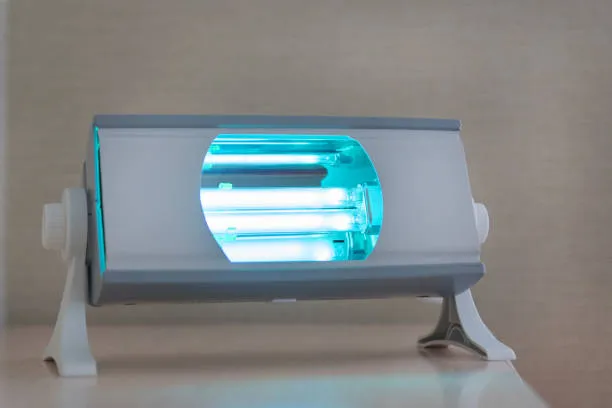
Common whole house air filtration issues in Minerva Park
- Increased dust and settled particulates after seasonal storms or construction nearby.
- Spring and fall pollen surges that trigger allergy symptoms indoors.
- Indoor pollutants during winter when windows stay closed: cooking aerosols, pet dander, and household chemicals.
- Reduced HVAC efficiency and more frequent heating/cooling cycles caused by clogged or undersized filters.
- Smoke intrusion during occasional regional wildfire smoke events or neighbor burning, creating spikes in PM2.5.
Understanding these local patterns helps select filtration that targets the particles most likely to affect your household.
Types of whole house filtration and what they remove
- Media filters (pleated filters with MERV ratings): Available in a wide range of efficiencies. MERV 8 removes common dust and large pollen; MERV 11–13 captures finer particles like mold spores and some smoke-sized particulates. These are installed in the return air plenum or filter cabinet of the HVAC system.
- High-efficiency aftermarket systems: Whole-house HEPA-style housings or high-MERV modules that either replace the existing filter slot or are added to the return duct. They deliver near-HEPA performance for PM2.5 when properly sized and paired with the HVAC blower.
- Electronic air cleaners and ionizing solutions: Use charged plates or ionization to capture particles. They are effective at reducing fine particles but require routine cleaning of collector cells. Some ionizers produce ozone if not low-ozone certified, so check specifications for health-sensitive households.
Selecting the right filter efficiency for allergies or asthma in Minerva Park
- Mild allergy concerns: MERV 8–11 is often sufficient to reduce visible dust, pollen, and pet dander while maintaining airflow. These filters are lower-resistance and typically do not affect HVAC performance.
- Moderate to severe allergies or asthma: Aim for MERV 11–13 or a dedicated whole-house HEPA solution. Higher MERV ratings capture smaller particles that trigger respiratory symptoms, including many allergens and some smoke particles.
- Asthma and immune-suppressed residents: Consider whole-house HEPA systems or high-efficiency modules installed with airflow assessment. HEPA captures 99.97% of particles 0.3 microns in size, which helps reduce PM2.5 and many allergens.
- Important caveat: Higher-efficiency filters increase pressure drop. If the HVAC blower is not sized for the added resistance, choosing too high a MERV rating can reduce airflow, lowering comfort and potentially stressing equipment. Always balance filtration efficiency with airflow needs.
Installation and compatibility with existing systems
- System assessment: A professional evaluation checks filter cabinet size, existing ductwork, blower capacity, and planned filter pressure drop. This determines whether the HVAC blower can handle high-MERV filters or if an aftermarket housing or booster fan is needed.
- Filter fit and seal: Properly sized media filters must seal around the cabinet to prevent bypass. Inadequate sealing reduces effectiveness.
- Upgrades: Homes with older furnaces or air handlers in Minerva Park may require a compatible high-efficiency housing or a blower upgrade to maintain airflow when using MERV 13+ filters. Whole-house HEPA installations usually require a dedicated bypass or a purpose-built housing and professional integration.
- Electronic cleaners: These are often mounted in the return duct and require electrical connection and clearance for cell removal and cleaning.
Maintenance and replacement schedules
- Media pleated filters (MERV 8–11): Inspect every 1–3 months; replace generally every 3–6 months depending on dust load, pets, and seasons.
- Higher MERV filters (MERV 13+): Inspect every 1–3 months; consider replacement every 3 months during heavy-use seasons (spring pollen, winter indoor periods). Higher resistance filters can accumulate load faster.
- Whole-house HEPA modules: Typically require professional filter replacement annually; pre-filters should be checked and changed more often.
- Electronic air cleaners: Clean collector cells every 1–3 months; replace UV or ionizing components per manufacturer specs to avoid reduced performance.
- Proactive maintenance reduces strain on the HVAC system and preserves indoor air quality. Track changes in airflow, unusual pressure drops, or rising dust as signs that filters need attention.
Performance testing and service details
- Baseline testing: Measure indoor particle counts (PM2.5 and larger), allergy-related markers if available, and static pressure across the filter location before installation. This establishes a benchmark.
- Post-installation testing: Repeat particle counts and measure percent reduction for targeted sizes (for example, PM2.5 and PM10). Also test airflow (CFM) and static pressure to confirm the system is operating within manufacturer limits.
- Seasonal retesting: Recommended after major seasonal changes like spring pollen or fall leaf drop to verify continued performance.
- Typical service scope: System assessment and duct inspection, filter selection and sizing guidance, professional installation, startup and airflow tuning, baseline and post-install testing, and documented maintenance plans. For electronic systems, cell cleaning and calibration checks are included in routine service visits.
- Documentation: A detailed service report should include pre/post particle counts, static pressure readings, filter models used, and recommended replacement intervals so homeowners in Minerva Park can track performance over time.
Benefits specific to Minerva Park homes
- Allergy relief during spring pollen and fall leaf seasons thanks to reduced indoor allergen load.
- Lower dust accumulation in historic or older homes with naturally leaky envelopes.
- Improved HVAC efficiency and longer equipment life by keeping coils and blower components cleaner.
- Better indoor air quality during winter when homes are sealed and pollutant concentrations rise indoors.
Final considerations and maintenance advice
Choose filtration based on measurable needs: run a baseline particle test if allergy or asthma symptoms are a concern. Balance filter efficiency with the HVAC system’s airflow capacity to avoid reduced comfort or equipment strain. For households with severe respiratory issues, prioritize high-efficiency whole-house solutions or HEPA housings with professional integration. Regular inspections, scheduled replacements, and seasonal retests keep performance consistent, particularly in Minerva Park’s variable climate.
Properly specified and maintained whole house air filtration reduces airborne particles, protects HVAC equipment, and delivers tangible health and comfort benefits for homes in Minerva Park, OH.
Hot Deals & Cool Savings

.webp)
New Service Agreement Membership
.webp)
Any New Client Service
Next Service for Referring a New Client
New Service Agreement Membership
Any New Client Service
Next Service for Referring a New Client
.webp)
.webp)

Service Areas
