
Whole House Air Filtration in New Albany, OH
Upgrade your New Albany home with whole-house air filtration installation for cleaner indoor air. Learn options, maintenance, and expected improvements.

Whole House Air Filtration in New Albany, OH
Clean indoor air is one of the most important investments for home health and comfort in New Albany, OH. A properly designed whole house air filtration system treats air from every room through your central HVAC, removing dust, pollen, pet dander, smoke and other particles before they circulate.
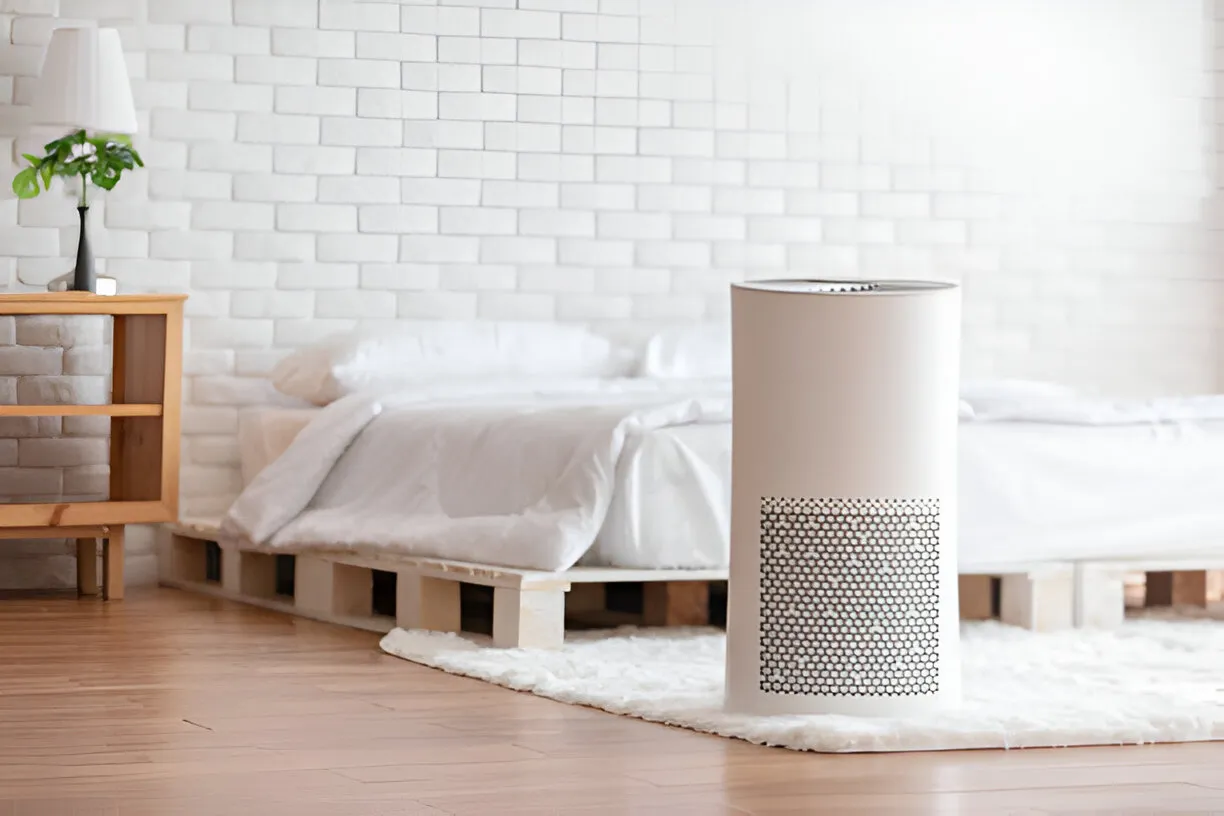
Why whole house filtration matters in New Albany, OH
New Albany sits in central Ohio where seasonal pollen, humid summer mold growth, winter wood smoke and fine particulate from regional traffic can all affect indoor air. Homes here often face:
- Spring and early summer tree and grass pollen spikes
- Elevated mold and mildew risk in humid months
- Winter particulates from fireplaces and nearby vehicle emissions
- Dust and soil tracked in from lawns and nearby construction
A whole-house system reduces these contaminants at the source—your HVAC return—providing consistent, homewide protection that portable units cannot match.
Common whole house air filtration issues in New Albany, OH
- Ineffective filtration because of undersized filters or low MERV ratings
- Increased HVAC strain when high-efficiency filters are installed without proper airflow adjustments
- Neglected replacement schedules leading to reduced performance and higher energy use
- Local pollen and mold seasons overwhelming basic filters
- Odors and VOCs not addressed by particle-only systems
Types of whole house filtration and MERV/media options
Whole house systems vary by filtration media and efficiency. Choose based on target contaminants, HVAC compatibility and occupant sensitivity.
- Standard media filters (fiberglass or pleated)
- Typical MERV 5–8
- Good for large dust and lint; low cost and low airflow restriction
- High-efficiency pleated media filters
- Typical MERV 9–13
- Capture smaller particulates like pollen, pet dander and some mold spores
- True HEPA (in-duct or dedicated central units)
- Equivalent to MERV 17–20 when true HEPA is used
- Removes 99.97% of particles 0.3 microns and larger; excellent for allergies and smoke
- Activated carbon or carbon-impregnated media
- Targets odors, VOCs and some gaseous contaminants; often paired with particulate filters
- Electronic air cleaners / ionizers
- Remove particulates using electrostatic collection; require regular cleaning and can generate trace ozone unless certified low-ozone
- Whole-house UV or photocatalytic modules
- Not a particle filter but useful adjuncts to reduce biological growth on coils and can help with some microbes; combine with particulate filtration for complete strategy
MERV guidance for New Albany homes
- General comfort and dust control: MERV 8–11
- Homes with pets or seasonal allergies: MERV 11–13
- Asthma or severe allergy sufferers, or homes with wood smoke concerns: HEPA or MERV 13+ in systems engineered for higher resistance
Always verify HVAC manufacturer guidance: high-MERV filters increase resistance and may require fan or return modifications.
Installation approaches inside existing HVAC systems
- In-duct replacement (filter media at the return plenum)
- Most common, minimal ductwork changes
- Filter cabinet or media rack upgrades
- Allows thicker, higher-efficiency media without disrupting airflow
- Dedicated whole-house air cleaner integrated into the supply or return
- Offers HEPA-level cleaning or multi-stage filtration with carbon and pre-filter stages
- Bypass/standalone central units
- Installed parallel to the main duct to treat a portion of the air continuously
- Hybrid installations
- Combine high-efficiency media with UV or carbon modules for tailored control of particulates, bioaerosols and odors
Proper sizing, pressure drop assessment and airflow testing are essential during installation to avoid reduced heating/cooling performance.
Expected air quality improvements and measurement methods
Realistic benefits depend on system type and home conditions. Typical outcomes:
- MERV 11–13 systems: 50–90% reduction in common allergens and larger particulate
- HEPA-level systems: up to 99% reduction in PM2.5 and fine allergen particles under controlled conditions
- Activated carbon: noticeable reduction in household odors and some VOCs
Measurement methods to verify performance:
- Baseline and post-installation particulate counts (PM2.5 and PM10)
- Allergen sampling (optional) for pollen and pet dander
- VOC testing for odor and chemical reduction if carbon media is used
- Relative humidity monitoring to evaluate mold risk
- HVAC static pressure and airflow testing to confirm system efficiency after filter upgrade
Documented before/after measurements provide objective proof of improvement and help fine-tune maintenance schedules.
Filter replacement schedules and maintenance costs
Maintenance varies by filter type and home conditions in New Albany:
- Standard pleated media (MERV 8–11): replace every 3–6 months
- High-efficiency pleated (MERV 12–13): replace every 3–6 months, sometimes sooner in high-pollen or high-dust seasons
- True in-duct HEPA (if used with pre-filters): HEPA cartridges may last 1–3 years; pre-filters every 3–6 months
- Activated carbon media: typically 6–12 months depending on VOC load
- Electronic cleaners: clean collection cells monthly to quarterly; occasional professional servicing
- UV modules: bulb replacement typically every 1–2 years
Maintenance costs include filter purchases and occasional professional checks for airflow and static pressure. Budgeting for regular filter changes and an annual HVAC check keeps systems operating efficiently and prolongs equipment life.
Suitability for allergy and asthma sufferers
Whole-house filtration is highly suitable when systems are properly specified and installed:
- For allergy and asthma sufferers, aim for MERV 13 or HEPA-level capture of fine particulates, plus activated carbon if odors or chemical sensitivities are present.
- Consider integrating humidity control, because excessive humidity encourages dust mites and mold—both major triggers.
- Pair filtration with source control (regular housekeeping, pet grooming, and venting combustion appliances) for best results.
Financing, installation packages and warranties (what to expect)
Homeowners in New Albany typically see these options:
- Financing and payment plans through third-party lenders or contractor-installed installment options (terms and availability vary)
- Package solutions that combine filter media, installation, commissioning, and an initial system performance test
- Manufacturer warranties on filtration units or modules (commonly 1–10 years depending on component)
- Installation warranties and limited workmanship guarantees from accredited installers
- Optional ongoing maintenance agreements for scheduled filter replacement and annual performance verification
Review warranty coverage for both components and labor, and ensure any financing terms are clear on scope and duration.
Final notes and maintenance tips for New Albany homes
- Time upgrades before high pollen season for the greatest immediate benefit.
- Monitor HVAC static pressure whenever moving to higher MERV filters to protect equipment efficiency.
- Combine filtration with humidity control and regular duct cleaning only when ducts show contamination—not as routine practice.
- Use measured before-and-after PM2.5 and allergen testing to validate performance and justify maintenance plans.
A correctly specified whole house air filtration system can meaningfully reduce allergens, particulates and odors in New Albany homes, improving comfort and respiratory health year-round when paired with appropriate maintenance and system checks.
Hot Deals & Cool Savings

.webp)
New Service Agreement Membership
.webp)
Any New Client Service
Next Service for Referring a New Client
New Service Agreement Membership
Any New Client Service
Next Service for Referring a New Client
.webp)
.webp)

Service Areas
