
Whole House Dehumidifiers in New Albany, OH
Whole-house dehumidifier in New Albany, OH controls humidity, reduces mold, and boosts comfort. Learn sizing, installation.

Whole House Dehumidifiers in New Albany, OH
Excess indoor moisture is one of the most common comfort and health problems in Central Ohio homes. Whole house dehumidifiers in New Albany, OH are designed to control humidity throughout your living spaces and conditioned basements, preventing mold, reducing allergens, protecting finishes, and improving overall comfort during the humid spring and summer months.
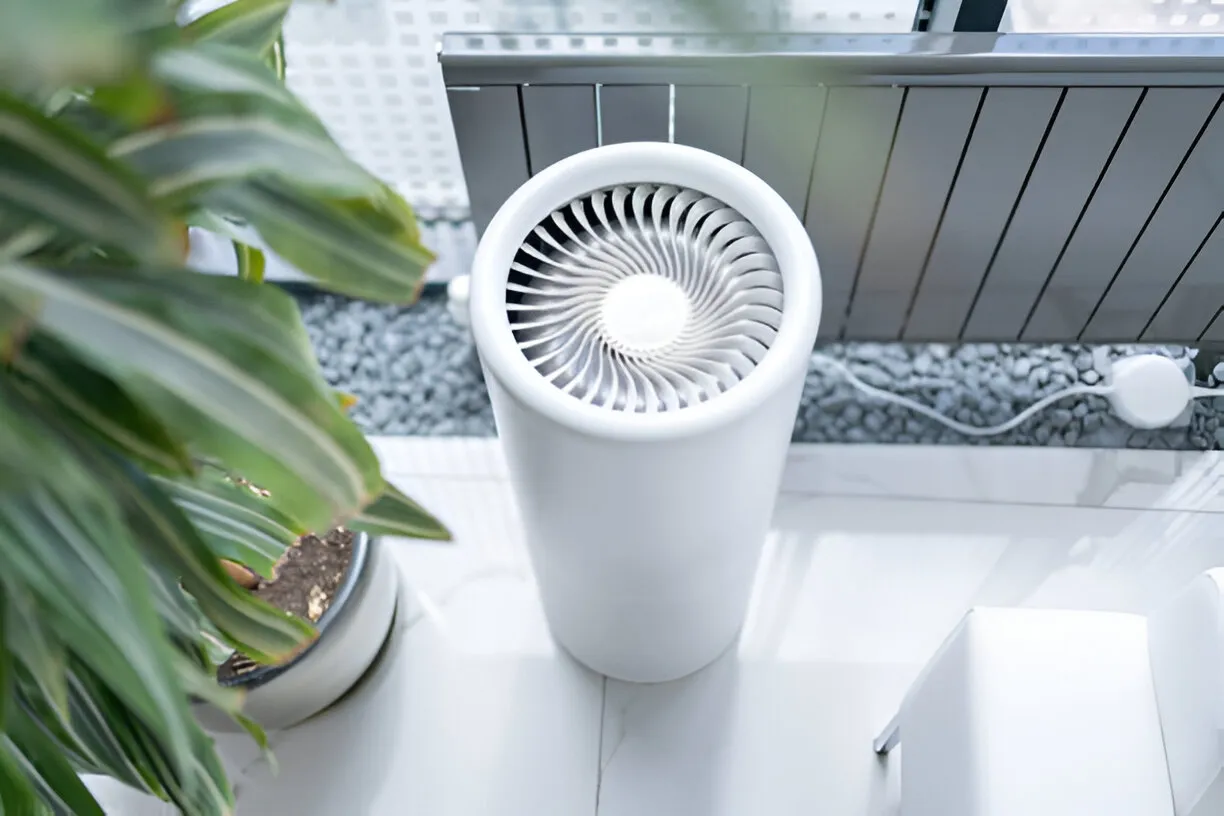
Why New Albany homes need whole-house dehumidification
New Albany sits in a humid continental climate with warm, muggy summers and frequent spring rain events. Many local homes have basements, crawl spaces, and tightly sealed building envelopes that trap moisture. Common humidity-related problems in this area include:
- Musty basement odors and visible mold growth
- Condensation on windows and cold walls
- Allergens from dust mites and mold spores
- Damaged wood floors, trim, and stored belongings
- Increased perceived temperature and HVAC discomfort
A properly selected and installed whole-house dehumidifier reduces indoor relative humidity (RH) to a healthy range, typically 40 to 50 percent, which addresses these issues without over-drying your home.
Common whole-house dehumidifier types and typical issues in New Albany, OH
- Ducted refrigerant dehumidifiers: Integrated with the HVAC return or supply ductwork; most common for conditioned basements and whole-house solutions.
- Desiccant dehumidifiers: Used where low-temperature performance is required, less common in standard New Albany homes.
- Standalone or cabinet dehumidifiers sized for large basements: Useful when HVAC integration is not feasible.
Common problems that lead homeowners to upgrade to whole-house systems:
- Under-sized portable units that cannot keep up during humid summer peaks
- Improper placement or inadequate ductwork leading to short cycling
- Condensate management failures causing backups or leaks
- Excess energy use when systems are not matched to home size or ventilation needs
How systems are sized and integrated with HVAC or ductwork
Sizing a whole-house dehumidifier is based on home square footage, basement or crawl space area, insulation and air sealing quality, number of occupants, and local climate humidity loads. Manufacturers rate capacity in pints per day (ppd) or liters per day. For New Albany homes:
- Typical single-family homes: 50 to 90 ppd units for year-round control
- Finished basements or very humid homes: 80 to 140 ppd or larger, or multiple units strategically placed
- Crawl spaces or high-moisture basements: sealed, conditioned space strategy with dedicated unit
Integration methods:
- Return-duct integration: Unit mounted on the HVAC return for whole-house distribution; uses existing air handler to move dehumidified air.
- Supply-duct integration: Dehumidified air injected into supply plenum for even distribution.
- Dedicated ducting: For basements or multi-level homes where selective control is preferred.
Proper duct sizing, airflow balancing, and avoiding restrictive grilles are essential to prevent short cycling and ensure effective moisture removal.
Installation and condensate-management considerations
Installation considerations for New Albany homes include mechanical room space, access to drains or sump pumps, and winter operation:
- Drain options: Gravity floor drain, basement standpipe, routed to the sump basin, or condensate pump to move discharge to a safe exterior or sewer connection. Sump integration is common in New Albany basements but requires proper check valves and overflow considerations.
- Condensate alarms and safety shutoffs: Prevent basement water damage from clogged drains or pump failures.
- Freeze protection and low-ambient operation: Refrigerant units can struggle in very cold spaces; locating the unit in a conditioned mechanical room or choosing a unit with low-temperature kit is recommended.
- Electrical requirements: Dedicated circuit and proper disconnects per code.
A correct installation includes sealing of access panels, airtight duct connections, and ensuring the unit has adequate service clearances for future maintenance.
Energy efficiency and control options
Modern whole-house dehumidifiers focus on energy-efficient components and intelligent controls:
- Variable-speed ECM blowers and modulating compressors reduce energy use versus older single-speed units.
- Smart humidistats and Wi-Fi enabled controllers allow set-and-forget operation, scheduling, and remote monitoring.
- Integration with whole-house thermostats and HVAC control systems helps coordinate dehumidification without unnecessary cooling.
- Look for units with favorable pints-per-kilowatt-hour performance and robust defrost strategies for year-round efficiency.
Balancing energy use and humidity control is key. Running a right-sized system at moderate RH setpoints typically reduces overall home energy use by improving HVAC dehumidification load handling.
Routine maintenance and service plans
Routine maintenance keeps performance and efficiency high:
- Change or clean air filters every 3 months or per usage conditions.
- Clean coils yearly to ensure heat exchange efficiency.
- Inspect and flush condensate drains and pumps to prevent clogs or bacterial growth.
- Verify humidistat calibration and check for duct leaks during annual service.
- Annual professional inspection of refrigerant circuits and electrical connections.
Service plans often include seasonal checks, priority service, and discounted parts for common wear items like pumps or filters. Regular maintenance reduces the chance of condensate backups and preserves unit lifespan.
Typical outcomes for basements and humid climates in New Albany
With a properly designed and installed whole-house dehumidifier, New Albany homeowners can expect:
- Noticeable reduction in musty odors and visible mold within weeks
- Dry, usable basements suitable for finished living spaces or storage
- Reduced allergy and asthma triggers due to lower dust mite and mold spore levels
- Improved comfort at higher thermostat settings, potentially lowering cooling runtime
- Protection for wood floors, cabinetry, and electronics from moisture damage
Homes that pair dehumidification with good ventilation and air sealing realize the best long-term results.
Final notes on selecting a system in New Albany, OH
Choosing the right whole-house dehumidifier for a New Albany home means matching capacity to your moisture load, ensuring proper integration with HVAC or ductwork, and planning condensate management that works with local basement and sump configurations. Regular maintenance and intelligent controls will sustain performance and energy efficiency through humid summers and damp spring conditions common to central Ohio.
A well-specified system not only solves immediate moisture problems but also preserves indoor air quality, reduces allergen exposure, and protects your home investment over time.
Hot Deals & Cool Savings

.webp)
New Service Agreement Membership
.webp)
Any New Client Service
Next Service for Referring a New Client
New Service Agreement Membership
Any New Client Service
Next Service for Referring a New Client
.webp)
.webp)

Service Areas
