
Whole House Dehumidifiers in OSU, OH
Whole-house dehumidifiers in OSU, OH explain how they work, improve comfort, prevent mold, and integrate with your HVAC for moisture control.

Whole House Dehumidifiers in OSU, OH
Excess indoor humidity is a common problem in OSU, OH homes, especially during hot, muggy summers and in older houses with basements or limited ventilation. Whole house dehumidifiers control moisture throughout the entire living space, preventing mold and mildew, reducing musty odors, protecting wood floors and furniture, and improving overall comfort.
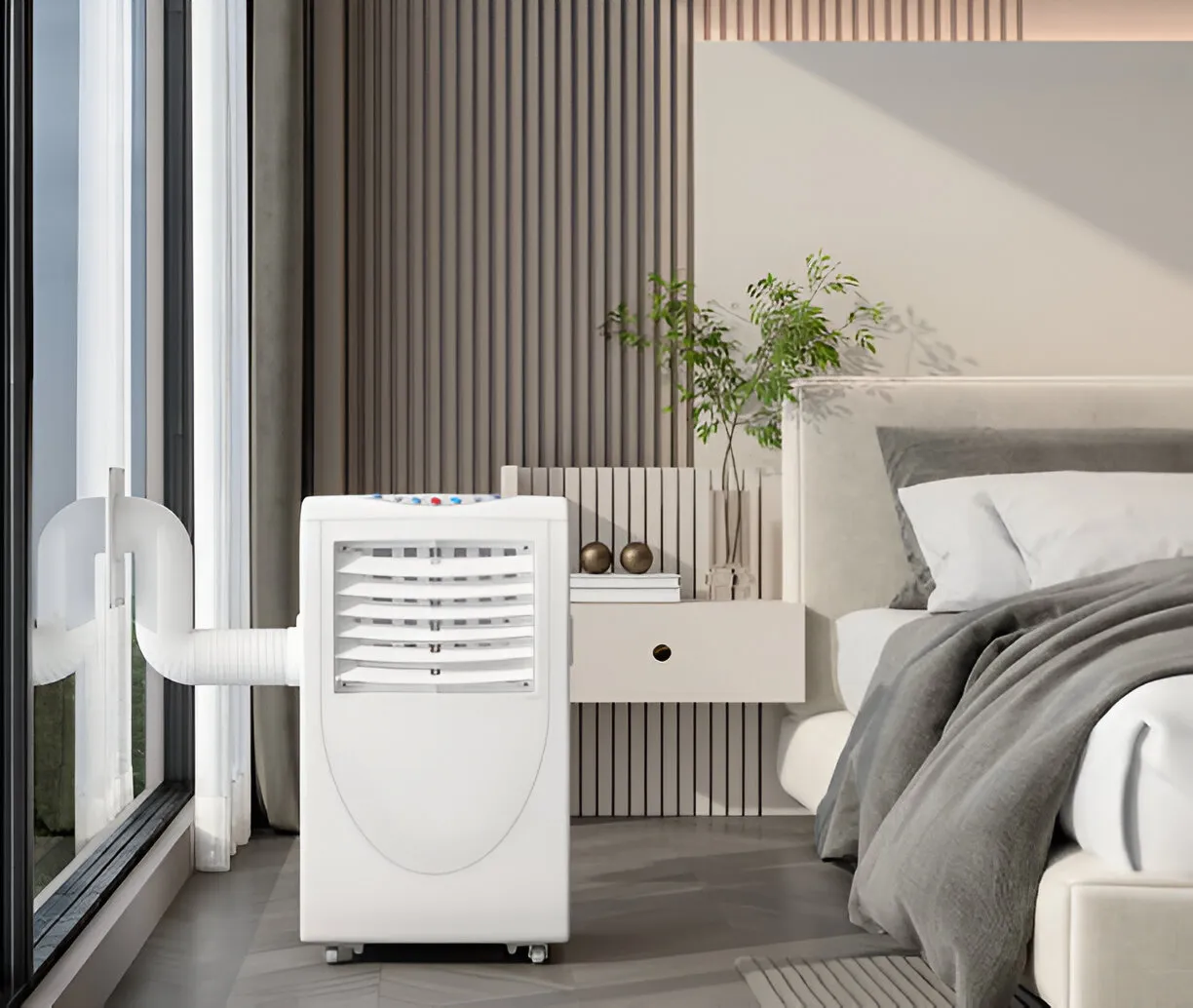
Why whole house dehumidification matters in OSU, OH
- Central Ohio experiences humid summers that raise indoor relative humidity (RH), aggravating respiratory allergies and promoting mold growth.
- Many OSU-area homes have basements, older insulation, or limited ventilation—conditions that trap moisture and concentrate humidity in lower levels.
- Whole house systems manage humidity consistently across every room, unlike portable dehumidifiers that only treat a single area.
Common whole house dehumidifier types and issues in OSU, OH
Whole-home systems come in several configurations. Common types and the problems they solve include:
- Ducted dehumidifiers integrated with the air handler: Installed in the HVAC ductwork to remove moisture from the system return air. Best for complete-home control.
- Standalone whole-house units: Mounted near the furnace or in the basement and connected to the duct system; useful when retrofitting older systems.
- Dedicated dehumidification coils or hybrid HVAC systems: Combine dehumidification with ventilation or energy recovery for tighter homes.
- Common issues: undersized units, improper drainage, insufficient airflow, or incompatible controls leading to short cycling or inadequate RH reduction.
How whole house dehumidifiers operate
Whole-home dehumidifiers remove moisture by drawing return air across cold coils (like an air conditioner), condensing water out of the air, and reheating that air slightly before sending it back into the supply ducts. Modern units use humidity sensors and control logic to maintain a setpoint (commonly 40-50% RH). Integrated controls can work with the furnace or air conditioner so dehumidification runs when needed without causing comfort swings.
Sizing and system integration for OSU, OH homes
Proper sizing ensures the system handles peak summer humidity and persistent basement dampness:
- Target RH: For central Ohio, aim for a continuous indoor RH of about 40-50%. That range minimizes mold growth while avoiding overly dry air in winter.
- Moisture load: Sizing considers home square footage, ceiling height, number of occupants, cooking and showering habits, and basement or crawlspace conditions. Older homes and those with high basement humidity usually need higher capacity.
- Capacity metrics: Dehumidifier capacity is typically rated in pints per day at specific conditions. A correctly sized whole-house unit will have capacity to control the home at peak summer humidity levels in OSU.
- Integration options:
- Connect to the return duct for whole-home coverage.
- Use dedicated supply/return runs if your airflow balance requires it.
- Interface with the existing thermostat or a standalone humidistat for precise control.
- Consider pairing with ventilation or an HRV/ERV in tightly sealed homes to manage fresh air without raising humidity.
Installation requirements and site considerations
Professional installation addresses mechanical and code requirements. Key elements include:
- Drainage: Whole house units produce condensate that must be routed to a floor drain, utility sink, or condensate pump. In OSU-area basements where drain access may be limited, a reliable condensate pump and high-level safety switch are critical.
- Electrical: Most units require a dedicated circuit and hardwired connection to the HVAC control system. Low-voltage control wiring to the thermostat or humidistat is typically necessary.
- Placement: Install near the air handler or in the basement where ductwork is accessible and service access is easy. Avoid locations subject to freezing unless a low-ambient kit is provided.
- Ductwork and airflow: Ensure the air handler can maintain proper airflow. Duct leaks or poor sizing reduce dehumidifier effectiveness; sealing and balancing ducts is often part of the job.
- Permits and local codes: Some installations in OSU, OH may require permits or inspections for electrical or drainage work; professional installers handle these requirements.
Maintenance and seasonal care
Routine maintenance keeps a whole-house dehumidifier performing efficiently:
- Check and clean or replace intake filters regularly (every 1-3 months depending on use).
- Inspect and clean coils annually to prevent buildup that reduces capacity.
- Flush condensate lines and test the pump and safety switches each season.
- Verify humidity control settings and recalibrate or replace humidistats if needed.
- Schedule an annual service check to confirm airflow, electrical connections, and control integration with the HVAC system.
Expected performance metrics and energy considerations
- RH control: A properly sized system will hold indoor RH in the 40-50% band across seasons. Performance can be affected by open windows, large moisture sources, or severe weather.
- Capacity: Measured in pints per day; choose a unit rated to handle peak summer loads plus any persistent basement moisture.
- Efficiency: Look for AHRI-rated units and specifications for energy use. Modern whole-house dehumidifiers are engineered to minimize runtime and work efficiently with central HVAC.
- Runtime expectations: During hot, humid Ohio summer days, the system may run frequently. In cooler months, runtime typically drops, but basements and utility spaces may still require ongoing dehumidification.
Benefits beyond comfort
- Reduces mold and mildew risk, protecting indoor air quality and occupant health.
- Prevents damage to wood floors, trim, furniture, and stored belongings.
- Helps HVAC systems operate more efficiently by lowering latent load, potentially improving cooling comfort.
- Eliminates persistent musty odors common in damp basements and old homes around OSU, OH.
Factors that influence investment and long-term value
- Home size and layout, basement or crawlspace conditions, and local summer humidity will determine the required capacity.
- Integration complexity (retrofitting older ductwork, adding condensate pumps, electrical upgrades) influences installation scope.
- Proper sizing and professional installation maximize performance, energy efficiency, and equipment lifespan.
Whole house dehumidification provides a reliable, long-term solution to common humidity problems in OSU, OH homes. When specified and installed correctly, these systems protect your home, improve indoor air quality, and maintain comfortable living conditions year-round. Regular maintenance and correct control settings keep the system working efficiently and extend the life of both the dehumidifier and your HVAC equipment.
Hot Deals & Cool Savings

.webp)
New Service Agreement Membership
.webp)
Any New Client Service
Next Service for Referring a New Client
New Service Agreement Membership
Any New Client Service
Next Service for Referring a New Client
.webp)
.webp)

Service Areas
