
Mini Split Installation in Linden, OH
Professional mini-split installation in Linden, OH delivers precise temperature control and energy efficiency; schedule a site survey today to learn more.

Mini Split Installation in Linden, OH
Installing a ductless mini-split is one of the most effective ways to add targeted heating and cooling to Linden, OH homes without the cost and disruption of new ductwork. Whether you need cooling for a sunroom, a finished attic, or whole-home zone control, a properly planned mini-split installation reduces energy waste, improves comfort, and gives precise temperature control. In Linden’s humid summers and cold winters, choosing the right system and installer prevents common problems like short cycling, inadequate defrosting, and condensate freeze.
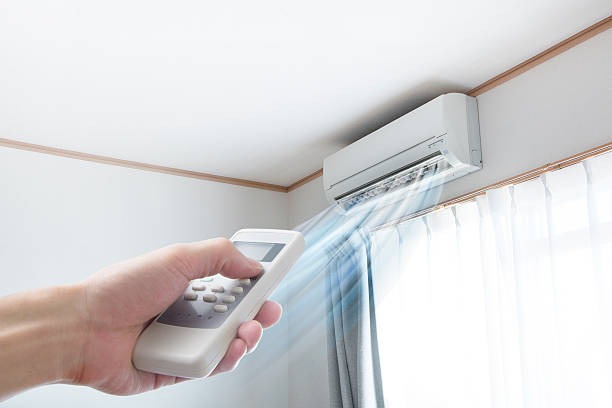
Common mini-split types and common mini-split issues in Linden, OH
- Single-zone ductless mini-splits for one room or addition.
- Multi-zone systems that connect several indoor heads to one outdoor compressor.
- Ductless heat pump models that provide both cooling and heating.
Common issues Linden homeowners encounter when considering a mini-split include undersized systems that can not keep up on humid summer afternoons, outdoor unit siting that leads to snow or debris build-up in winter, poor condensate routing that causes leaks, and electrical panels that need upgrades to supply a new 240V circuit.
Pre-installation site survey and load calculations
A detailed site survey and load calculation are essential. Technicians will:
- Perform a Manual J style load calculation for each zone to determine correct BTU sizing based on room dimensions, insulation levels, window orientation, and occupancy.
- Inspect wall and exterior conditions for line set routing, mounting options, and refrigerant line lengths between indoor and outdoor units.
- Verify electrical service capacity and determine if a new circuit, disconnect, or panel upgrade is required.
- Note structural constraints, attic or crawlspace access, and any local code or HOA restrictions.
Accurate sizing prevents oversizing or undersizing that leads to short cycling, humidity problems, and premature wear.
Indoor and outdoor unit placement considerations
Indoor unit placement
- Mount high on an interior wall with clear airflow across the living space; avoid direct sun, behind curtains, or above a stove.
- Maintain manufacturer minimum clearances for effective air distribution and easy filter access.
- For bedrooms and living rooms, position units to deliver even airflow without blowing directly on occupants.
Outdoor unit placement
- Place the compressor on a solid, level pad or raised bracket to stay above snow and standing water.
- Allow at least the recommended clearance for airflow and service access, and avoid locations where leaves, mulch, or roof runoff will clog the coil.
- Consider noise and neighbor proximity; keep the condenser away from bedroom windows and property lines when possible.
In Linden, where winter freeze-thaw cycles and heavy snowfall occur, elevating outdoor units and using corrosion-resistant fasteners helps prevent seasonal damage.
Electrical and mounting requirements
- Most mini-splits require a dedicated 208/230V circuit with the correct breaker size based on manufacturer specifications.
- Outdoor units must have an accessible disconnect on or near the unit per code and inspections.
- Installers will select the appropriate wire gauge and conduit, and secure a final electrical inspection if required by local jurisdiction.
- Wall penetrations for line sets are sealed with proper sleeves and flashing to prevent drafts and moisture intrusion.
- Wall-mounted indoor heads typically require a mounting plate anchored into studs or reinforced blocking to handle the unit weight.
Older Linden homes often need electrical upgrades to meet these requirements; planning for this avoids installation delays.
Refrigerant line routing and condensate management
- Run refrigerant lines using the shortest practical route while observing maximum manufacturer line-length and elevation limits.
- Insulate both suction and liquid lines to prevent energy loss and condensation.
- Evacuate the refrigerant lines to a deep vacuum before charging to remove moisture and non-condensables. Charging is performed either by weight or by pressure/temperature methods as specified by the manufacturer.
- Condensate management options include gravity drains (preferred when downward run is possible) or condensate pumps where gravity flow is not feasible.
- Include a P-trap near the indoor unit and route the condensate to a safe discharge point. In Linden, heat tape or a heated condensate routing strategy may be needed to prevent freeze in exposed exterior runs.
Proper refrigerant handling and condensate protection reduce the risk of refrigerant leaks and seasonal water damage.
Step-by-step installation and commissioning
- Confirm final layout and obtain any necessary permits.
- Prepare mounting locations: install brackets or pad, core drill the wall sleeve, and run low-voltage wiring and refrigerant sleeve.
- Mount indoor unit and connect refrigerant line set and condensate drain.
- Install and level outdoor unit on a pad or brackets; connect line sets and electrical feeder.
- Evacuate the system to required vacuum level, check for leaks, and charge refrigerant to manufacturer specifications.
- Power up the system and perform commissioning checks: verify airflow, temperature split, refrigerant pressures, amperage draw, defrost operation for heat pumps, and condensate flow.
- Program controls and optional Wi-Fi connectivity, then orient the homeowner on operation and filter maintenance.
Commissioning ensures the system performs as designed and meets efficiency expectations.
Post-installation testing and customer orientation
After installation, technicians test the unit under real operating conditions to confirm:
- Correct cooling and heating capacity for the zone.
- Proper electrical load and breaker protection.
- Quiet operation and absence of vibration or undue noise.
- Secure mounting and sealed wall penetrations.
- Condensate flow under peak humidity.
Homeowner orientation covers remote control operation, recommended temperature ranges, filter cleaning frequency, and signs to watch for that indicate service is needed.
Expected timelines and cost factors
- Typical timeline: a site survey and load calculation completed in one visit. Single-zone installations are often completed in 1 to 2 days. Multi-zone or complex retrofits may take 2 to 4 days over multiple visits, plus time for permits and inspections.
- Cost factors: system capacity and number of indoor heads, line set length and routing complexity, need for electrical upgrades or panel work, foundation or pad preparation, mounting elevations, permit and inspection fees, and optional accessories like Wi-Fi thermostats or extended refrigerant runs.
Because equipment quality and installation workmanship directly affect long-term performance and efficiency, homeowners should weigh initial cost against expected energy savings and warranty coverage.
Warranties, permits, and maintenance advice
- Manufacturer warranties typically cover parts and compressors for defined periods; extended warranties may be available. Professional installation workmanship warranties are common and protect labor for a set time.
- Local permits and electrical inspections are often required in the Columbus/Linden area. Proper permitting ensures installations meet code and local safety requirements.
- Maintenance recommendations: clean or replace filters every 1 to 3 months, keep the outdoor unit clear of debris and snow, schedule an annual service check before peak summer and again before the heating season, and verify condensate drains are flowing freely.
Well-maintained mini-splits in Linden provide efficient, reliable comfort year round while minimizing humidity issues in summer and delivering supplemental heating during milder winter days.
Mini-split installation is a technical process that pays off when planning, sizing, and professional commissioning are done right. For Linden homes, attention to outdoor unit elevation, condensate freeze protection, and accurate load calculations ensures a dependable system that keeps rooms comfortable and energy costs under control.
Hot Deals & Cool Savings

.webp)
New Service Agreement Membership
.webp)
Any New Client Service
Next Service for Referring a New Client
New Service Agreement Membership
Any New Client Service
Next Service for Referring a New Client
.webp)
.webp)

Service Areas
