
Mini Split Maintenance in Linden, OH
Mini Split maintenance service in Linden, OH keeps ductless systems efficient year-round. Learn more about tune-ups, renew performance, and cost-saving care

Mini Split Maintenance in Linden, OH
Mini-split maintenance in Linden, OH keeps ductless systems running efficiently through humid summers and cold winters. Proper, scheduled care reduces breakdowns, improves comfort in older Linden homes and newer retrofits, and preserves the system performance that homeowners depend on during seasonal temperature swings and high pollen seasons. If you already rely on a ductless mini-split for targeted heating and cooling, a proactive maintenance program is the most effective way to protect that investment and lower long-term energy use.
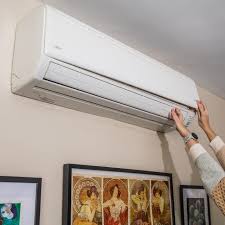
Common mini-split issues in Linden, OH homes
- Dirty or clogged filters reducing airflow and indoor air quality — common during spring pollen and fall leaf season.
- Low refrigerant or leaks causing reduced cooling/heating capacity and higher run times.
- Reduced airflow from obstructed indoor units or failing fans.
- Electrical problems such as loose connections, worn relays, or damaged capacitors.
- Frozen indoor coils or ice buildup during heat pump operation in cold snaps.
- Condensate drain clogs or malfunctioning condensate pumps leading to water stains or overflow.
- Noisy operation from worn bearings, loose panels, or unbalanced outdoor fan blades.
- Controller or sensor drift producing incorrect setpoints and cycling problems.
What a professional mini-split tune-up includes
A preventative maintenance visit focuses on efficiency, reliability, and safety. Typical service items include:
- Visual system inspection: check indoor heads, outdoor compressor/condenser, refrigerant lines, mounting brackets, and clearances from debris and vegetation.
- Filter cleaning and replacement: washable filters cleaned, disposable filters replaced; technicians will recommend frequency based on system use and indoor air quality.
- Indoor coil and drain maintenance: vacuum or brush coils, clear condensate traps, and inspect condensate lines and pumps to prevent backups.
- Outdoor coil and fan cleaning: remove dirt, leaves, and pollen buildup to restore heat transfer and airflow.
- Refrigerant level check and leak detection: measure pressures, check for visible oil stains, and verify system charge; report signs of leaks and recommend repair when needed.
- Electrical inspection: tighten terminal connections, inspect capacitors, contactors, fuses, and control wiring for wear or corrosion.
- Motor and moving parts service: check fan motors and indoor blower for smooth operation and add lubrication where applicable.
- Performance verification: measure supply and return temperatures, verify temperature split and run cycles, and confirm system responds to remote or wall controllers.
- Safety and operation testing: ensure defrost function on heat pumps, verify mode switching, and test safety controls.
Diagnostic checks explained (in plain terms)
Technicians use simple checks that reveal system health without complicated jargon:
- Temperature split across the indoor coil shows whether airflow and refrigerant charge are correct.
- Amp draw and voltage checks on compressors and fans reveal electrical stress before failures occur.
- Pressure readings in the refrigerant lines help confirm proper refrigerant charge or identify leaks.
- Visual oil traces or low-charge readings point to leaks that require repair.
- Observed ice, water, or unusual noise patterns indicate airflow restrictions or mechanical wear.
Repairs and solutions you can expect after inspection
When tune-ups find issues, common professional solutions include:
- Replacing filters and cleaning coils to immediately restore airflow and capacity.
- Repairing refrigerant leaks and recharging the system to manufacturer specifications.
- Replacing worn fan motors, bearings, or condensate pumps to stop noise and water problems.
- Tightening or replacing electrical components (relays, capacitors, terminal blocks) to prevent intermittent failures.
- Adjusting or replacing sensors and controllers to restore accurate temperature control.
- Re-securing or re-leveling outdoor units and disconnecting corroded fittings to avoid vibration damage.
Technicians will prioritize repairs that restore safe operation and prevent more costly failures later.
Recommended maintenance schedule for Linden homeowners
- Cooling or heat pump mini-splits (year-round systems): professional service twice per year — once in spring (pre-cooling) and once in fall (pre-heating). This schedule is ideal for Linden’s humid summers and cold winter periods.
- Cooling-only mini-splits: professional inspection before the cooling season begins, plus filter care during heavy-use months.
- Filters and basic homeowner care: check and clean washable filters every 1 to 3 months during heavy use; replace disposable filters as recommended by the manufacturer.
- Outdoor unit care: keep at least 2 feet of clearance around outdoor condensers, trim vegetation, and clear debris after storms and during leaf fall.
Membership and maintenance program perks (what to expect)
A structured mini-split maintenance membership typically bundles value without surprise costs:
- Scheduled biannual tune-ups timed to protect both cooling and heating seasons.
- Priority scheduling during peak weather periods so maintenance or emergency service happens sooner.
- Discounted parts and labor for repairs discovered during inspections.
- Detailed service reports that document refrigerant charge, temperatures, and any corrective actions — useful for warranty and resale.
- Improved system longevity and lower utility bills through maintained efficiency and fewer emergency failures.
These membership benefits are designed to reduce disruptions and make long-term ownership simpler for Linden homeowners.
Why timely maintenance matters in Linden, OH
Regular mini-split maintenance reduces energy consumption, stabilizes comfort in variable weather, and prevents inconvenient mid-season failures. In Linden, where humidity and seasonal pollen can accelerate coil fouling and filter loading, routine care maintains airflow and indoor air quality. Proactive service also preserves manufacturer warranty coverage in many cases and creates a documented service history that can add value when selling a home.
Keeping a simple maintenance log and following a twice-yearly tune-up rhythm will protect your mini-split’s efficiency and extend its useful life, ultimately lowering operating costs and providing more reliable comfort year-round.
Hot Deals & Cool Savings

.webp)
New Service Agreement Membership
.webp)
Any New Client Service
Next Service for Referring a New Client
New Service Agreement Membership
Any New Client Service
Next Service for Referring a New Client
.webp)
.webp)

Service Areas
