
Mini Split Replacement in Linden, OH
Linden, OH Mini Split replacement: learn when to replace, top financing options, and what to expect during the installation process.

Mini Split Replacement in Linden, OH
Replacing a mini-split system is a major home comfort decision for Linden, OH homeowners. With hot, humid summers and cold winters, a properly sized and efficient ductless system delivers consistent cooling and heating, lower energy bills, and better zone control than aging equipment.
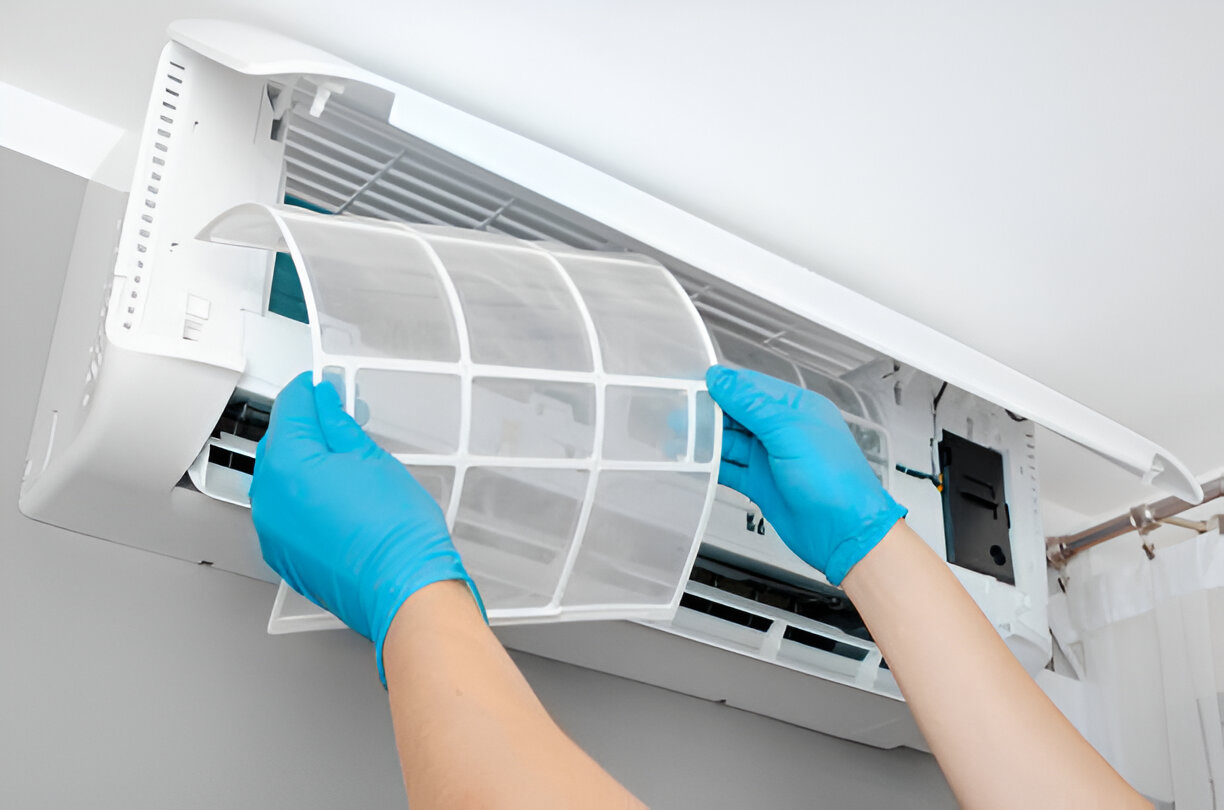
When to Replace a Mini-Split vs Repair
Deciding between repair and replacement depends on the age, condition, and performance of the existing system. Common mini-split replacement issues in Linden, OH include:
- Age and repeated failures: Systems older than 10 to 15 years with frequent compressor, inverter, or PCB failures are usually better replaced. Parts become scarce and repairs add up.
- Compressor or major refrigerant leak: A failed compressor or a large refrigerant leak that requires extensive line replacement often justifies replacement.
- Sharp drop in efficiency: If seasonal energy bills are rising despite regular maintenance, reduced SEER/HSPF compared to modern units means lost savings.
- Inadequate capacity or comfort: Rooms that never reach set temperatures, or uneven heating and cooling across zones, indicate improper sizing or outdated technology.
- R-22 refrigerant concerns: Older systems using phased-out refrigerants can be costly to recharge and harder to service.
- Costly recurring repairs: If a single year of repairs approaches 30 to 40 percent of equipment replacement cost, replacement is usually the more economical choice.
For Linden homeowners who prioritize reliable year-round comfort and lower utility costs, replacement is generally recommended when the system is past its midlife or when major components fail.
Mini-Split Replacement Process in Linden
A professional mini-split replacement follows a clear sequence designed for safety, efficiency, and long-term performance:
- System assessment and inspection
- Evaluate existing equipment, ductless heads, line sets, electrical supply, and mounting locations.
- Check insulation levels and home layout in Linden homes to identify zones and load impacts from older windows or basements.
2. Load calculation and proper sizing
- Perform a Manual J or equivalent calculation to determine correct capacity for each zone, accounting for Linden climate: high summer humidity increases cooling load.
- Oversizing and undersizing both cause problems; accurate sizing improves comfort and efficiency.
3. New unit selection and planning
- Choose models based on efficiency ratings, inverter technology, noise levels, and zone needs. Plan for electrical upgrades if needed.
4. Permits and scheduling
- Obtain any required local permits. Schedule installation to minimize disruption and avoid peak weather extremes common to central Ohio.
5. Removal of old equipment
- Safely recover refrigerant according to EPA regulations, disconnect electricals, and remove indoor and outdoor units for recycling or disposal.
6. Installation of new system
- Install outdoor condenser, mount indoor heads, run new line sets and wiring, and set up drain lines.
- Commission system with vacuuming, leak checks, and charge to manufacturer specs.
7. Final testing and homeowner walkthrough
- Verify temperatures, airflow, and control settings. Explain operation, filter maintenance, and warranty coverage.
Typical timeline for a single-zone replacement is one to two days; multi-zone systems or electrical upgrades may extend to several days.
Selecting the Right Unit for Linden Homes
Choosing a mini-split that matches your home and lifestyle is critical. Consider these factors:
- Efficiency and technology: Look for high SEER and HSPF ratings and variable-speed inverter compressors for stable temperature control and better humidity performance during Linden summers.
- Correct capacity per zone: Use room-by-room sizing rather than rule-of-thumb tonnage. Older Linden houses with poor insulation may need adjusted sizing.
- Heat pump vs. electric-only: Ductless heat pumps provide effective heating during most Ohio winters and are more efficient than electric resistance heating.
- Number and style of indoor heads: Low-profile wall units, ceiling cassettes, and compact floor consoles offer flexibility for different room layouts and historic Linden homes.
- Noise levels and placement: Select quieter outdoor units and position them with neighbor proximity and winter debris in mind.
- Controls and connectivity: Smart thermostats and Wi Fi control enhance convenience and can improve efficiency by scheduling zones.
Financing and Rebate Options
Mini-split replacement involves upfront cost but several programs can lower net expense:
- Federal and state incentives: There may be tax credits or incentives for installing energy-efficient heat pumps or ENERGY STAR certified equipment. Eligibility can vary by year and program rules.
- Local utility rebates: Some utilities and municipal programs offer rebates for high-efficiency HVAC upgrades or for recycling old equipment. Linden homeowners should review local utility offerings when planning replacement.
- Manufacturer and dealer financing: Many vendors provide financing plans to spread payments over time. Compare terms and warranty packages when evaluating offers.
- Recycling credits: Some programs provide credits for returning and recycling old refrigerant-containing equipment.
Always confirm current incentive availability and qualification requirements before committing.
Timeline, Site Preparation, and What to Expect
Preparing your Linden property for replacement reduces delays and helps installers work safely:
- Clear access to indoor head locations, attic or crawlspace where line sets will run, and the outdoor condenser area.
- Ensure a stable outdoor pad or level ground for the new condenser; plan snow clearance in winter months.
- Verify electrical panel capacity and make arrangements for any required upgrades.
- Expect some noise and minor dust during removal and installation. Installers should protect floors and furnishings.
Expect professional installers to follow local codes and to coordinate any necessary inspections.
Warranty, Disposal, and Environmental Considerations
- Manufacturer warranties typically cover compressors and parts for a set number of years; extended warranties or labor guarantees vary by installer.
- Proper disposal and refrigerant recovery are required by federal regulations. Old systems must have refrigerant recovered and be recycled responsibly.
- Documentation: Keep paperwork for warranties, energy ratings, and any incentive claims. This is also useful for resale documentation for Linden properties.
Final Considerations for Linden, OH Homeowners
Replacing your mini-split is an investment in comfort, efficiency, and home value. For Linden homes, pay special attention to humidity control, noise sensitivity, and proper sizing to handle seasonal extremes. A modern ductless heat pump can reduce energy use, deliver better humidity management during hot Ohio summers, and provide comfortable heat in shoulder seasons and milder winter days.
When replacement is the best path, prioritize accurate load calculations, ENERGY STAR level efficiency where possible, compliance with refrigerant and disposal requirements, and a solution tailored to the unique layout and insulation characteristics of your Linden home. Proper planning and a professional replacement process ensure reliable, efficient comfort for years to come.
Hot Deals & Cool Savings

.webp)
New Service Agreement Membership
.webp)
Any New Client Service
Next Service for Referring a New Client
New Service Agreement Membership
Any New Client Service
Next Service for Referring a New Client
.webp)
.webp)

Service Areas
