
Hear That? What Your AC Is Trying to Tell You

What AC Making Strange Noises Mean — and What to Do Next
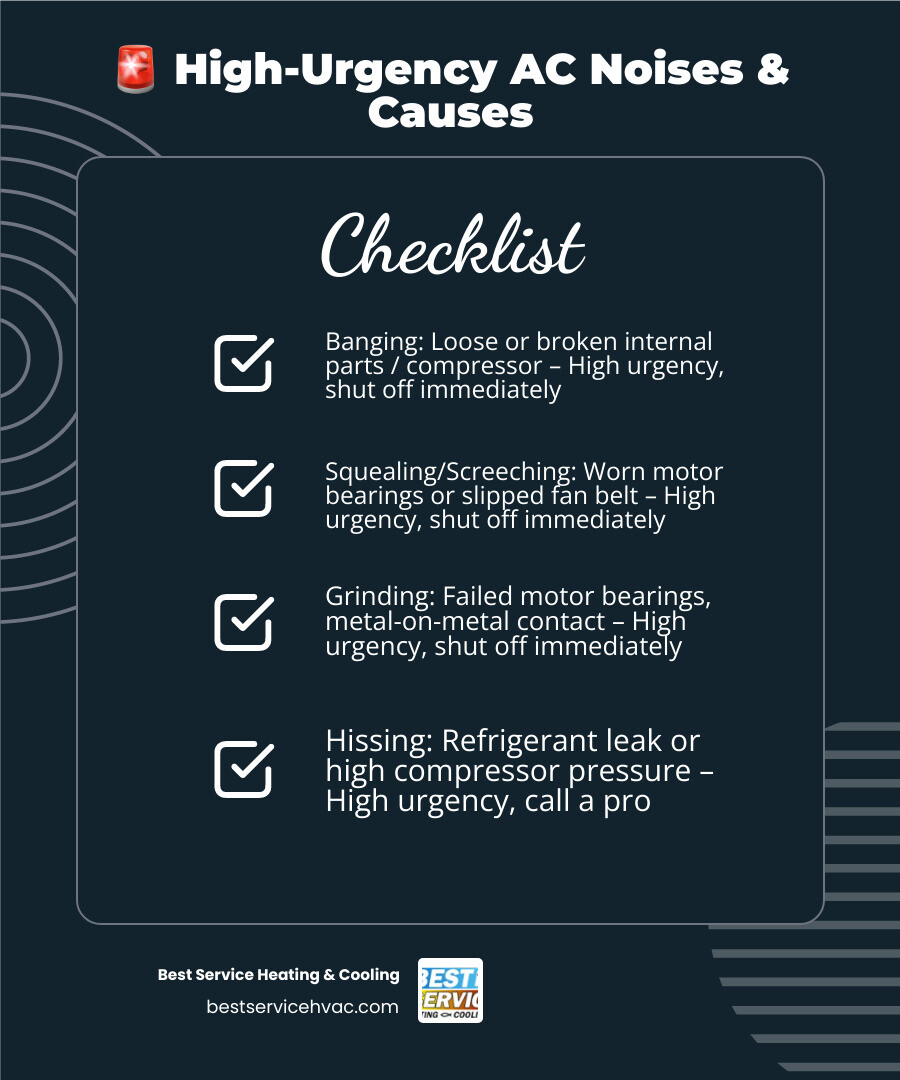
If you've been wondering about ac making strange noises what they mean, here's a quick breakdown before we dig into the details:
| Noise | Most Likely Cause | Urgency |
|---|---|---|
| Banging | Loose or broken internal part / compressor | High — shut off immediately |
| Squealing / Screeching | Worn motor bearings, slipped fan belt, or high compressor pressure | High — shut off immediately |
| Grinding | Failed motor bearings, metal-on-metal contact | High — shut off immediately |
| Hissing | Refrigerant leak or high compressor pressure | High — call a pro |
| Buzzing | Electrical issue, frozen coils, loose wiring | Medium-High — turn off and inspect |
| Clicking | Normal at startup/shutdown; persistent clicking = electrical fault | Medium if constant |
| Rattling | Loose panels, screws, or debris in the unit | Low-Medium — inspect soon |
| Whistling | Clogged air filter or blocked return vent | Low — check filter first |
| Gurgling / Bubbling | Clogged condensate drain or refrigerant leak | Medium — schedule service |
Your air conditioner is one of those appliances that should mostly fade into the background. You set the thermostat, it runs quietly, your home stays cool. So when it starts banging, screeching, or buzzing, it's hard not to notice — and hard not to worry.
The truth is, most AC noises are your system's way of flagging a problem before it becomes a much bigger one. Some sounds are minor and easy to fix. Others are serious warning signs that call for shutting the unit down right away. Knowing the difference can save you from a costly breakdown — especially during a hot Central Ohio summer when you need your cooling most.
At Best Service Heating & Cooling, we've been helping Columbus-area homeowners decode exactly these kinds of issues since 1992. This guide walks you through what each noise likely means, what you can safely handle yourself, and when it's time to call in a professional.
AC making strange noises what they mean for your Columbus home
When you hear a new sound coming from your utility closet or your backyard, your first instinct might be to ignore it and hope it goes away. In HVAC, however, silence is golden, and noise is a cry for help. In April 2026, as we prepare for the rising temperatures in Central Ohio, understanding these auditory cues is essential for Tackling Cooling Issues In Your Home.
Rattling and Loose Parts
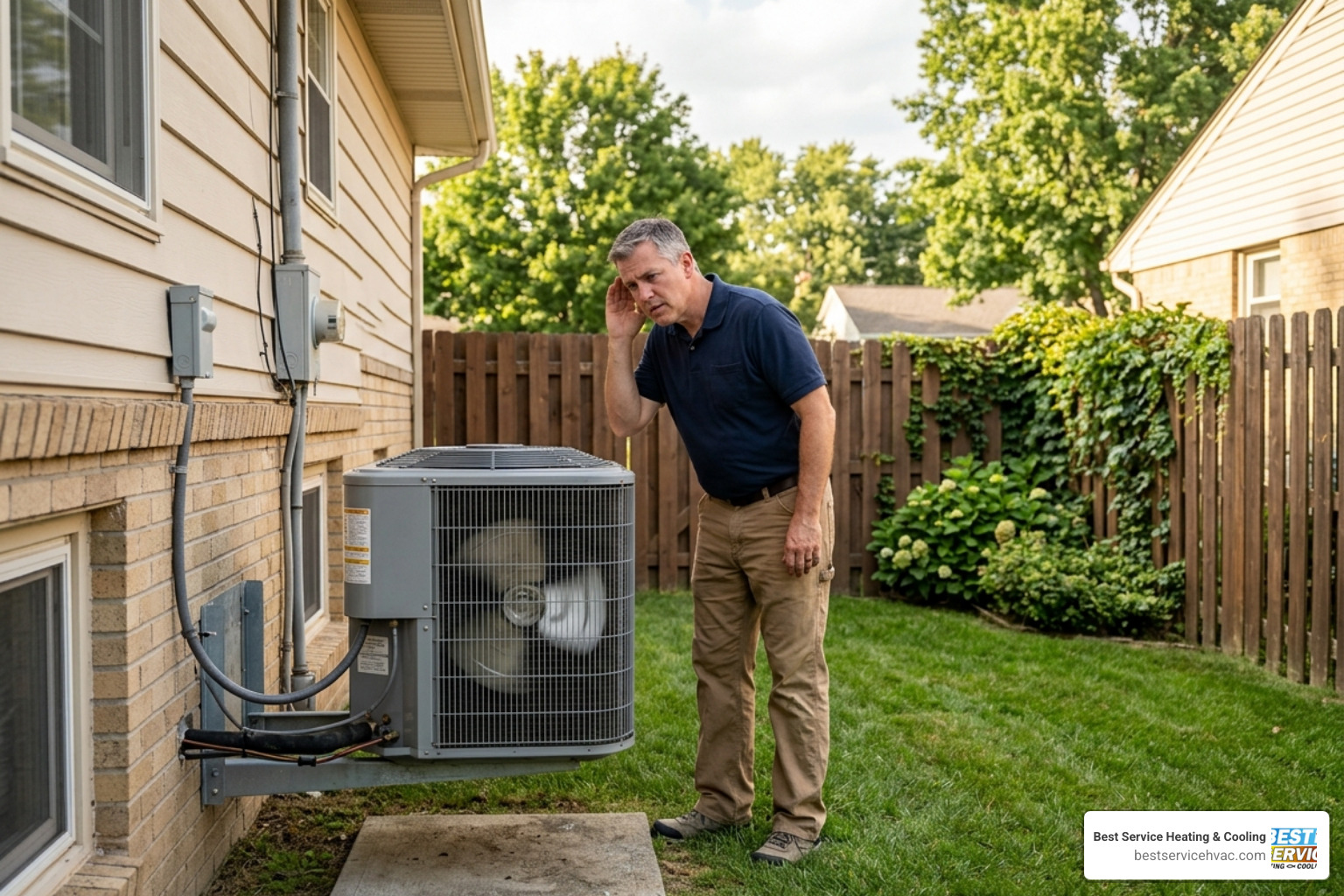
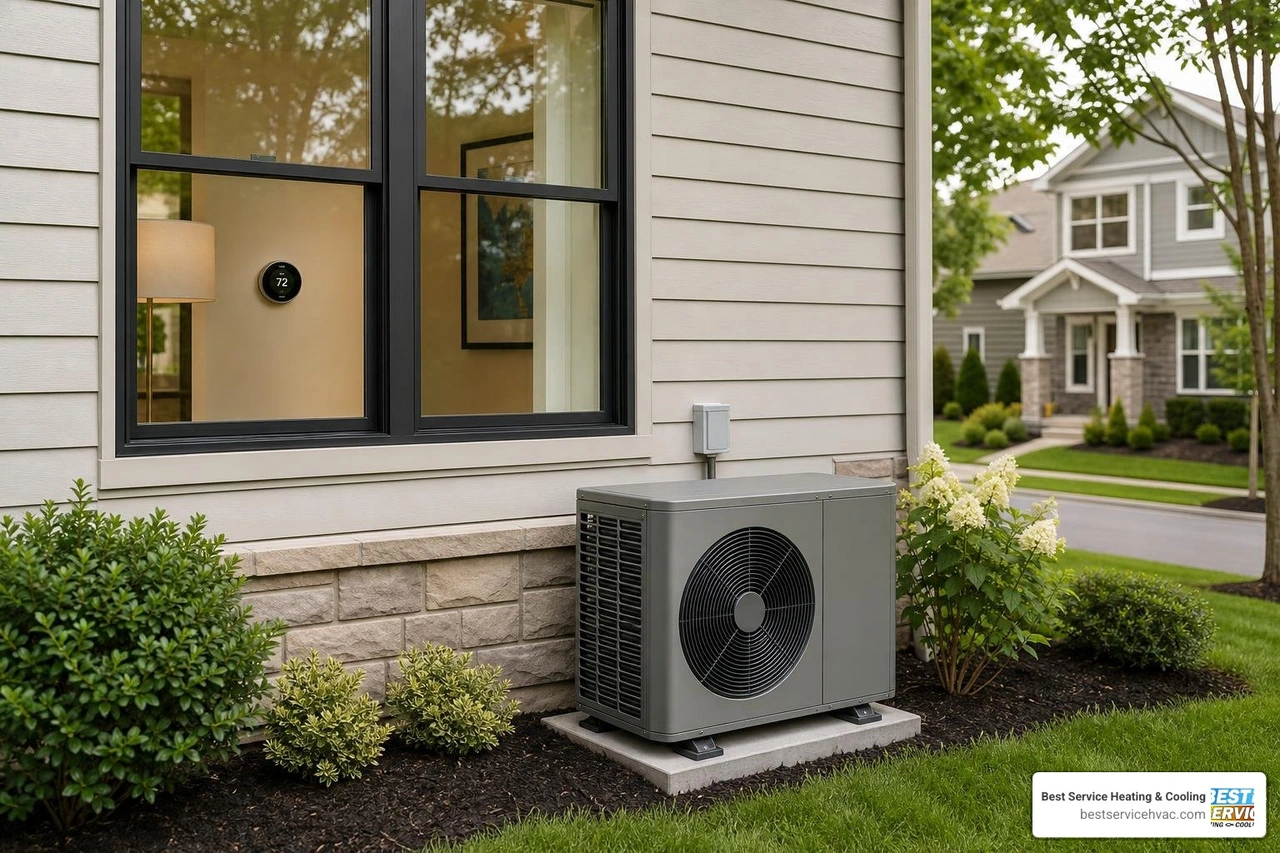
A rattling sound is one of the most common complaints we hear. Often, it's just a sign that your unit is vibrating during operation and a few screws have worked themselves loose. If the rattle is coming from the outdoor condenser, check the exterior panels. Simply tightening the housing screws can often silence the unit.
However, rattling can also mean debris—like small twigs, pebbles, or dried leaves—has fallen into the outdoor unit and is being tossed around by the fan. If left alone, this debris can damage the fan blades. More seriously, a rattle could indicate that the motor is starting to fail or that the compressor's isolation feet (the rubber pads it sits on) have disintegrated. If you notice Strange Ac Odors What They Mean along with the rattling, like a pungent electrical smell, the issue is likely more than just a loose screw.
Buzzing and Electrical Arcing
Buzzing is a "middle-of-the-road" urgency sound, but it should never be ignored. If you hear buzzing from the indoor unit, it often points to frozen evaporator coils. When air can’t flow properly—usually due to a filthy filter—the coils get too cold and ice over. This can cause a distinct buzzing or vibrating sound.
If the buzzing is coming from the outdoor unit, it might be an electrical issue. This could include a failing contactor relay switch, loose wiring, or even "arcing," where electricity jumps between connections. Electrical buzzing is a fire hazard and requires a professional eye immediately.
Why is my AC making strange noises and what they mean for the thermostat?
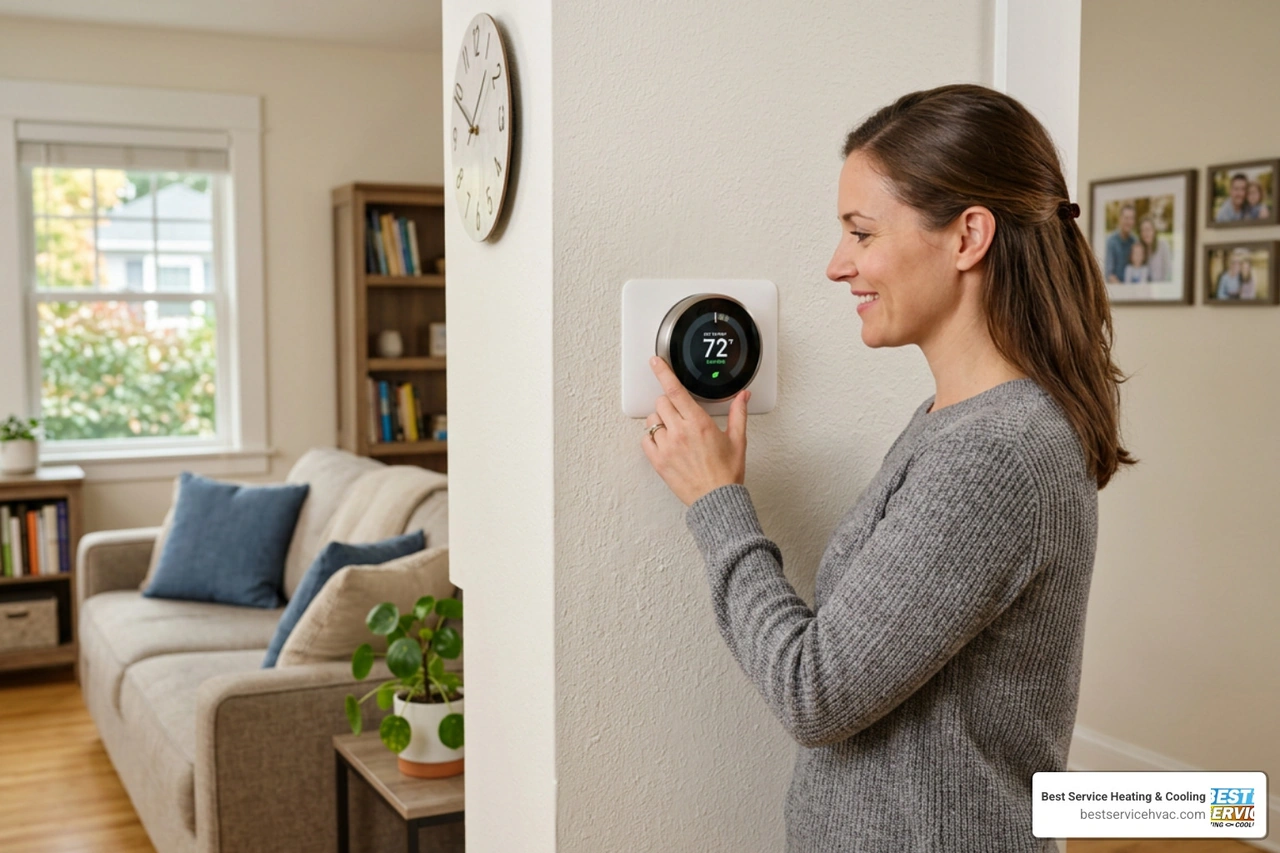
Sometimes the noise isn't coming from the big metal box outside, but from the small control panel on your wall.
Clicking is a sound that causes a lot of confusion. Is it normal? Sometimes. You should hear a distinct "click" when the thermostat signals the AC to turn on and another when it shuts off. This is the relay switch doing its job.
However, if you hear constant, rapid clicking, you’re likely looking at an electrical malfunction. This could be a failing capacitor (which helps start the motor), a defective thermostat, or a faulty relay. If the AC tries to start, clicks repeatedly, and then gives up, the system is struggling to get the power it needs. You can learn more about these specific electrical hurdles in our guide on Common Ac Repair Issues And Solutions.
Understanding AC making strange noises what they mean for the compressor
The compressor is the "heart" of your air conditioner. It’s a sealed, high-pressure component, and when it starts making noise, it’s usually serious.
Banging sounds from the compressor are a major red flag. This usually indicates that an internal part has come loose or broken entirely. It could be a broken connecting rod, a piston pin, or a crankshaft. Because the compressor is a sealed unit, these parts can't usually be "tightened." A banging compressor often means the heart of your system has failed and needs replacement.
High-pitched hissing or whistling from the compressor area can indicate dangerous internal pressure buildup. Modern units have safety sensors to shut the system down if pressure gets too high, but if you hear a sound like a screaming tea kettle, turn the power off at the breaker immediately.
High-Urgency Sounds: When to Shut Down Your System
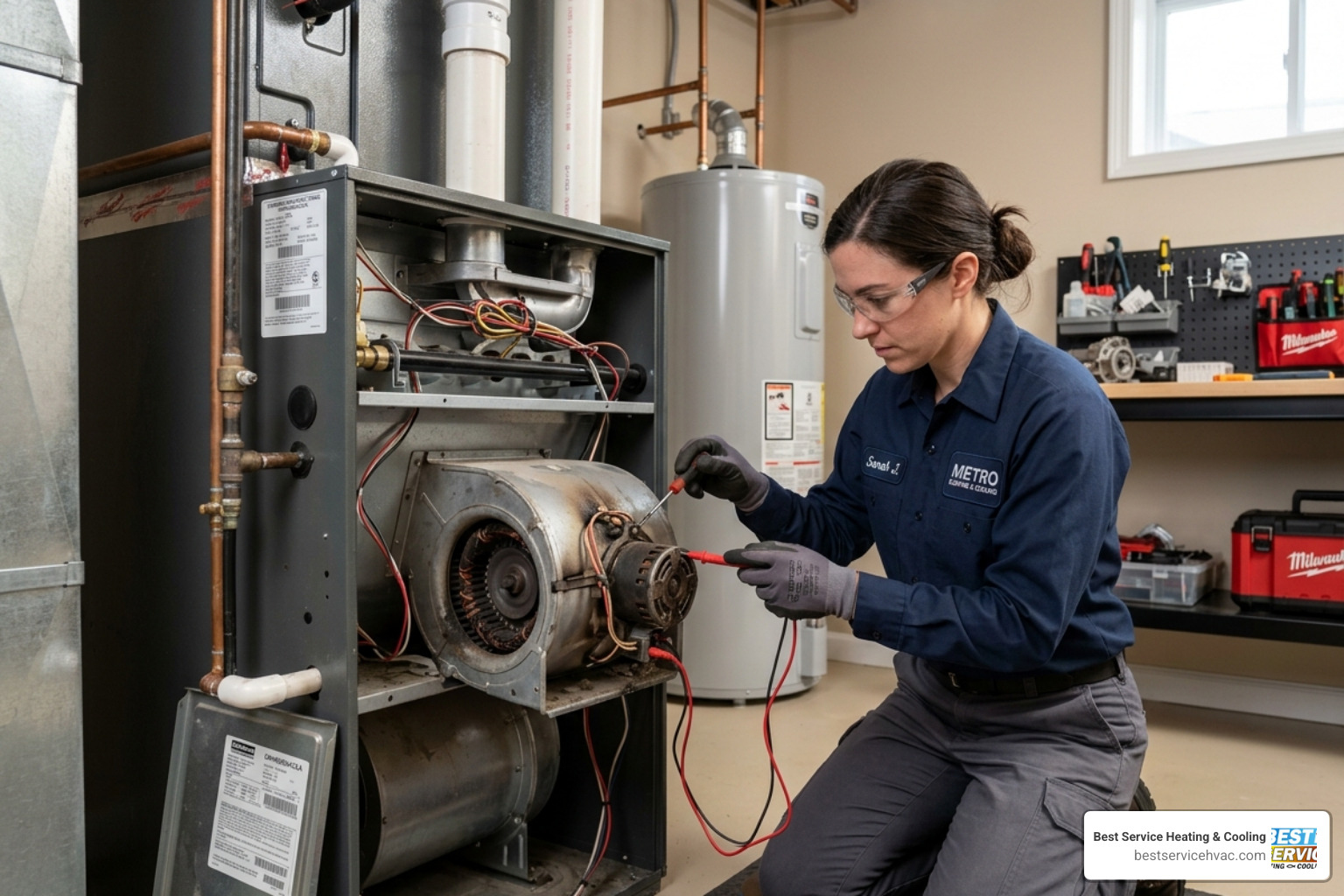
There are certain sounds that mean "Stop everything and call for help." Running your system while these noises are occurring can turn a repairable issue into a total system replacement. We detail many of these in our article on Hvac Noises That Signal Professional Service.
Screeching and Squealing
A high-pitched screech is hard to miss. In older systems, this is frequently a slipped or worn fan belt. Just like a squealing belt on a car, it needs to be adjusted or replaced. However, in newer units that use direct-drive motors, screeching usually points to failed motor bearings. When the lubrication in the bearings dries out, metal rubs against metal at high speeds, creating that piercing sound.
Grinding
If screeching is the warning, grinding is the aftermath. Grinding noises mean the bearings have failed completely. This is a "metal-on-metal" situation that will quickly burn out the motor. If you hear grinding, the friction is creating immense heat, which can lead to a motor fire or permanent damage to the blower assembly.
Clanking
Clanking sounds like something is being thrown around inside a dryer. This often happens when the fan blades—either in the indoor blower or the outdoor condenser—become unbalanced or bent. As the fan spins, the blade hits the surrounding housing. This won't just ruin the fan; the vibration can shake other components loose, leading to a "domino effect" of damage throughout the system.
Immediate Action: If you hear banging, grinding, or screeching, turn the AC off at the thermostat immediately. Do not "wait and see" if it stops.
Troubleshooting and Preventing HVAC Noises in Central Ohio
Not every noise requires a major surgery for your HVAC system. In places like Westerville, Hilliard, and Gahanna, we see many "noisy" systems that just need a little TLC.
The Whistling Air Filter
If your AC sounds like it’s trying to whistle a tune, check your air filter first. A whistling sound is almost always caused by airflow restriction. When the filter is clogged with dust and pet dander, the powerful blower motor tries to pull air through any tiny gap it can find, creating a high-velocity whistling or "sucking" sound. Replacing a dirty filter is the easiest DIY fix for a noisy AC.
Gurgling and the Condensate Line
A gurgling or bubbling sound usually involves liquids. Your AC removes humidity from the air, and that water has to go somewhere—usually down a condensate drain line. If that line or the "P-trap" gets clogged with algae or debris, water can back up, creating a gurgling sound similar to a slow-draining sink.
DIY Maintenance Steps for a Quieter Home:
- Change filters monthly: Especially during high-use months in Columbus.
- Clear debris: Keep at least two feet of clearance around your outdoor unit. Remove leaves, sticks, and grass clippings.
- Tighten panels: If you hear a light rattle, check the screws on the access panels.
- Listen to the "normal": Get to know how your system sounds when it's running perfectly so you can spot changes early.
The best way to prevent ac making strange noises what they mean for your wallet is through seasonal tune-ups. During a professional maintenance visit, we lubricate moving parts, check refrigerant levels, tighten electrical connections, and inspect the motor bearings. This preventive care ensures your system stays a "silent partner" in your home comfort.
Frequently Asked Questions About Noisy Air Conditioners
Is it safe to run my AC if it is making a loud noise?
Generally, no. While a light rattle from a loose screw isn't an emergency, sounds like banging, screeching, grinding, or hissing are "red flag" noises. Running the system with these sounds can cause catastrophic failure, electrical fires, or permanent compressor damage. If the noise is loud enough to be heard in the next room, it’s best to shut the system down until it can be inspected.
Why does my air conditioner make a bubbling or gurgling sound?
This is usually caused by one of two things: a clogged condensate drain line or a refrigerant leak. If the drain line is blocked, water gets trapped and "gurgles" as air passes over it. If the sound is more of a "hissing-bubbling" mix, it could be air bubbles in the refrigerant lines, which indicates a leak that needs professional repair.
What causes a high-pitched whistling sound from the vents?
Whistling is usually a sign of high static pressure. This happens when the system is trying to move more air than the ductwork or filters allow. Check for a dirty air filter, ensure your return vents aren't blocked by furniture or curtains, and make sure too many supply vents aren't closed off.
Conclusion
Your air conditioner shouldn't be a source of mystery or stress. By paying attention to the sounds it makes, you can catch minor issues before they turn into major headaches. Whether it's a simple filter change to stop a whistle or a professional repair to fix a clanking fan, acting quickly is the key to maintaining a cool, quiet home.
Best Service Heating & Cooling has been the trusted choice for Columbus, Ohio homeowners since 1992. As a family-owned business with an A+ BBB rating, we take pride in providing honest, expert diagnoses for all your HVAC needs. From Dublin to Pickerington and everywhere in between, we are here to ensure your peace and quiet isn't interrupted by a noisy AC.
If you're not sure which company to trust, read our tips on finding The Right Company For Hvac Repair Services. Don't let a strange noise turn into a breakdown during the next Central Ohio heatwave.
Schedule your Columbus AC service today with Best Service Heating & Cooling and get back to the quiet comfort you deserve!
.webp)
.webp)

Service Areas
