
Why Central Ohio Climate Makes Your HVAC Work Double Duty

Understanding How Central Ohio Climate Affects Your HVAC System
#
How central ohio climate affects your hvac system is something every homeowner in the region feels in their energy bills — and in their comfort. Living here means your heating and cooling equipment faces one of the toughest combinations in the country: long, cold winters, hot and humid summers, and dramatic swings in between.
Here's a quick breakdown of the key ways Central Ohio's climate puts extra demand on your HVAC system:
- Heating-dominated winters — Columbus averages 5,660 heating degree days annually, meaning your furnace or heat pump runs hard for months
- Hot, humid summers — With average July highs near 85°F and annual humidity around 69.5%, your AC must remove both heat and excess moisture
- Heavy snowfall — 28.2 inches of average annual snow can block outdoor units and exhaust vents, creating safety and performance risks
- Freeze-thaw cycles — Repeated temperature swings stress components, trigger defrost cycles, and accelerate wear
- Rapid seasonal transitions — Spring and fall temperature swings force your system to switch modes frequently, adding strain
Central Ohio sits in ASHRAE Climate Zone 5A — a "Cool-Humid" classification that puts heating efficiency front and center, while still demanding a capable cooling system for sticky summers. Ohio households spend roughly $950 per year on heating alone, with cooling adding another $280 on top of that. That's not just weather — that's your HVAC system working double duty, season after season.
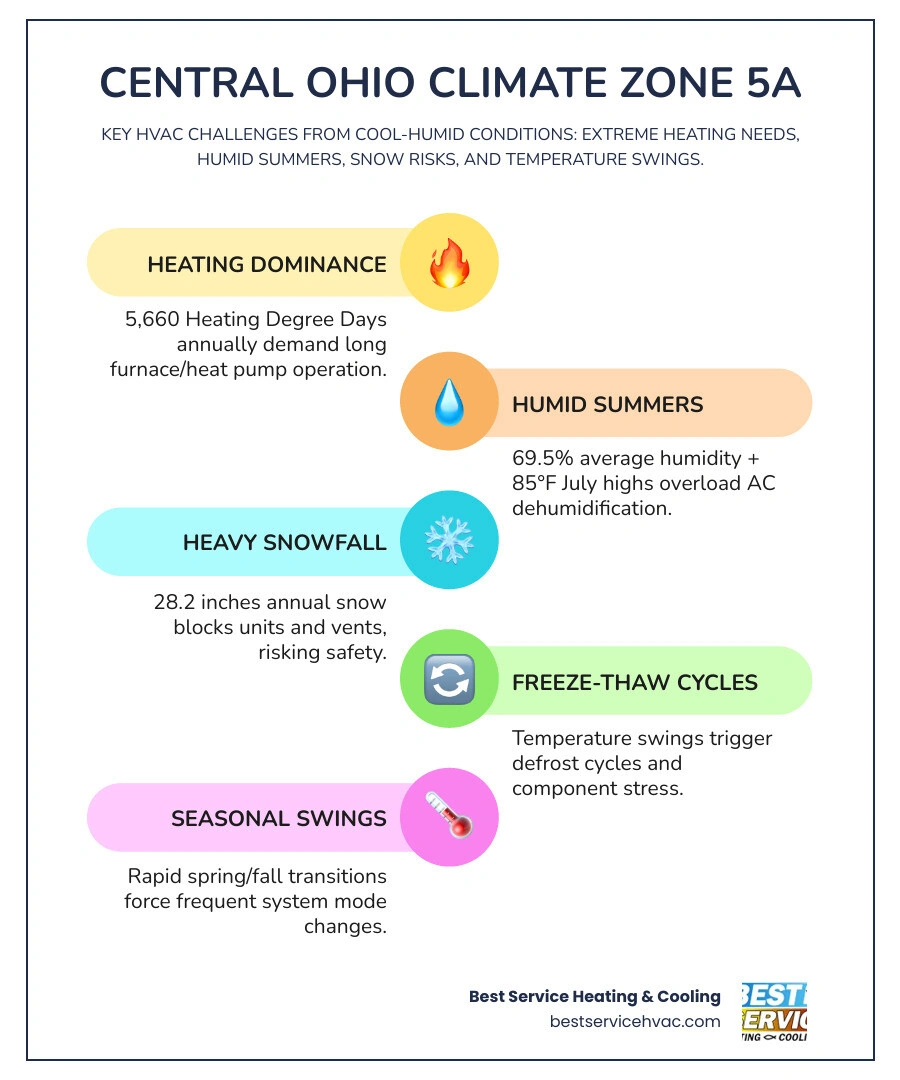
To truly understand how central ohio climate affects your hvac system, we have to look at our "Climate Zone 5A" designation. In HVAC, this is known as a "Cool-Humid" zone. This means our primary challenge is keeping homes warm during long, biting winters, but we can't ignore the thick moisture that rolls in every July.
In our Columbus OH Service Area, the numbers tell a compelling story. We deal with approximately 5,660 Heating Degree Days (HDD) annually. This metric represents how often and how much the outdoor temperature stays below 65°F. On the flip side, we only see about 860 Cooling Degree Days (CDD). While it might seem like heating is the only priority, those 860 days are often packed with enough humidity to make your air conditioner work twice as hard to maintain comfort.
The transitional seasons in places like Westerville and Gahanna are equally taxing. One week in April might require the furnace in the morning and the AC by mid-afternoon. These rapid shifts force your system to cycle on and off frequently, which is where most mechanical wear and tear occurs. At Best Service Heating & Cooling, we’ve seen how these "shoulder seasons" can reveal hidden weaknesses in older systems that were already struggling with the previous winter's workload.
How Central Ohio Climate Affects Your HVAC System During Humid Summers
When summer hits Central Ohio, it isn't just the heat that makes you reach for the thermostat; it’s the "sticky" feeling in the air. Columbus experiences an average relative humidity of 69.5%. For your Air Conditioning system, this means it has to handle a heavy "latent cooling load."
Latent cooling is the process of removing moisture from the air, while sensible cooling is the process of lowering the actual temperature. If your AC isn't performing perfectly, it might cool the room down to 72°F, but the air will still feel clammy. This often happens when evaporator coils are dirty or the system is improperly sized. High humidity forces the system to run longer cycles to pull that water out of the air, which puts extra strain on the compressor and blower motor.
To prepare for these demands, we always recommend Spring AC and HVAC Maintenance for Central Ohio. A clean system with a clear condensate drain line is essential for managing the buckets of water your AC pulls out of the air during a humid Ohio heatwave.
How Central Ohio Climate Affects Your HVAC System in Freezing Temperatures
Winter is when the real "double duty" begins. With 28.2 inches of average annual snowfall, your outdoor units face constant threats. For those using a Heat Pump, snow accumulation is a major concern. If snow blocks the outdoor coil, the unit can't absorb heat from the air, leading to emergency shutdowns or a reliance on expensive auxiliary heat.
Snow also poses a safety risk for gas furnaces. High-efficiency furnaces vent through PVC pipes that often exit the side of the house. If a snowdrift blocks these vents, it can cause carbon monoxide to back up into the home or cause the furnace to shut down entirely for safety. We frequently provide HVAC Service Westerville OH during these cold snaps to clear blocked intakes and reset systems that have "locked out" due to airflow issues.
Furthermore, extreme cold forces Heating systems to run nearly non-stop. When the temperature drops to our design temperature of -2°F, even a perfectly functioning furnace is pushed to its absolute limit to maintain a steady 68°F indoors.
Winter Challenges: From Freeze-Thaw Cycles to Heavy Snowfall
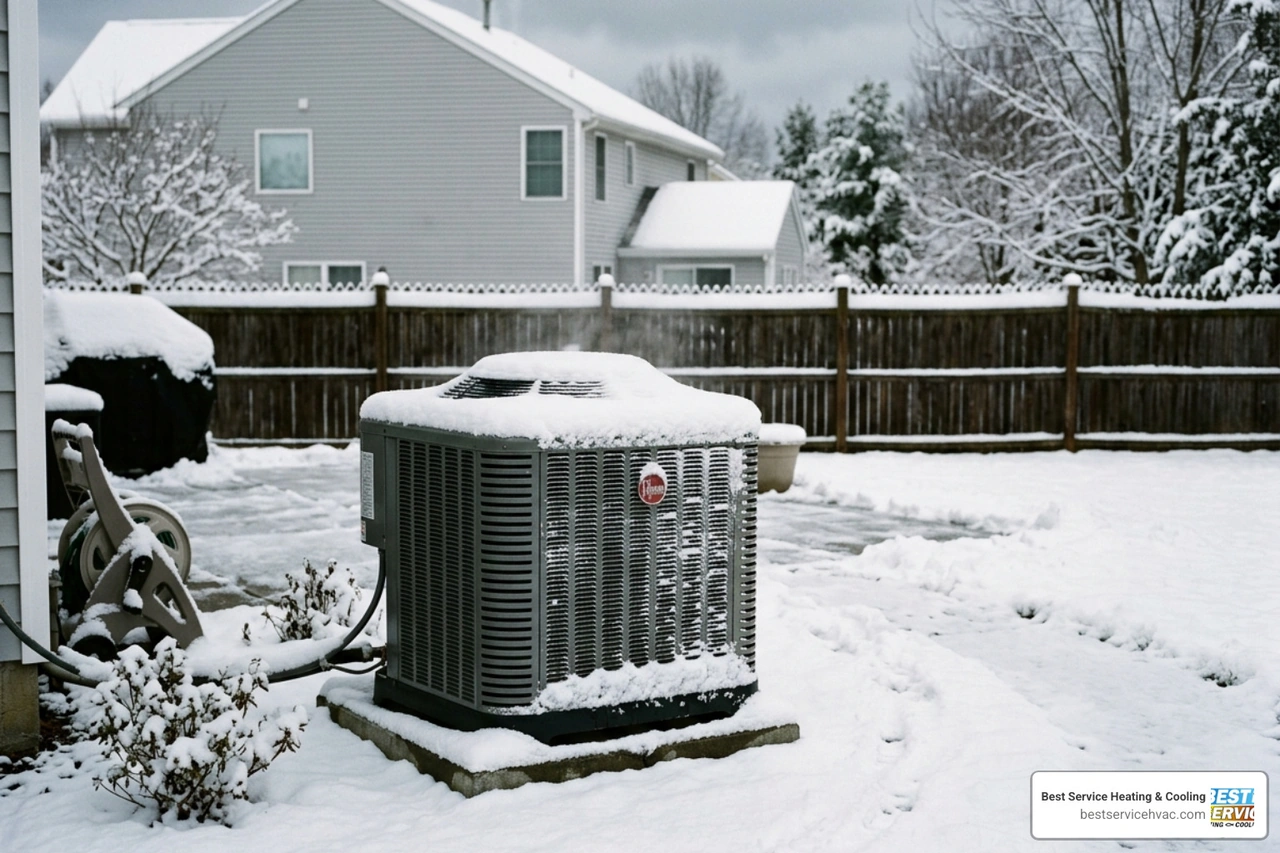
Central Ohio winters are famous for the "freeze-thaw" cycle. We might have a day that hits 40°F, melting the snow, followed by a night that drops to 10°F. This is brutal on outdoor HVAC components. Melted snow can seep into the unit and then refreeze, potentially damaging fan blades or stressing the compressor.
For heat pumps, this cycle triggers frequent "defrost cycles." This is when the unit temporarily reverses its operation to melt ice off the outdoor coils. While this is a normal part of operation, frequent temperature swings can cause the unit to enter defrost mode more often than intended, reducing overall efficiency and increasing your electric bill.
Winter Safety Checklist for Homeowners
To protect your system during a Central Ohio blizzard, we recommend these quick checks:
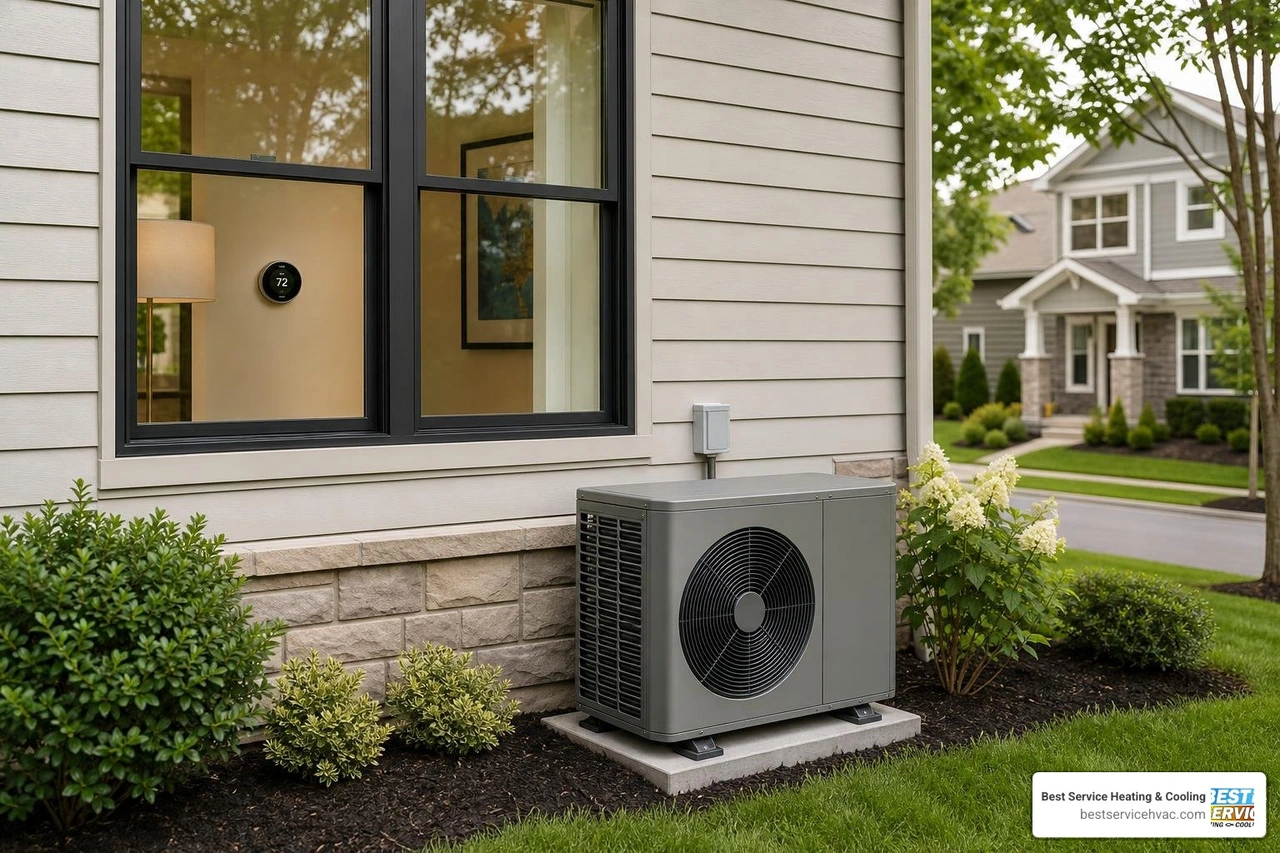
- Clear the Perimeter: Ensure there is at least two to three feet of clear space around your outdoor unit.
- Check the Vents: Walk around your home and make sure snow isn't burying your furnace exhaust or intake pipes.
- Listen for New Noises: If your furnace starts banging or whistling during a cold snap, it's struggling.
- Monitor the Thermostat: If the temperature inside is dropping despite the heat being "on," your system may be iced over or failing.
Maximizing Efficiency with Proper Sizing and Air Balancing
One of the biggest mistakes we see in Central Ohio is "guesstimating" the size of a replacement unit. Because our climate is so variable, accurate sizing is critical. We use Manual J load calculations to ensure your system is perfectly matched to your home's square footage, insulation levels, and window orientation.
If a system is oversized—a common issue when contractors don't do their homework—it will "short cycle." This means it turns on, blasts the house with air, and turns off before it has a chance to dehumidify the air or circulate heat evenly. This leads to Performance Issues for HVAC System Replacement and shortens the lifespan of the equipment.
| Feature | Oversized System | Correctly Sized System |
|---|---|---|
| Humidity Control | Poor (Sticky air) | Excellent (Dry, crisp air) |
| Energy Bills | High (Frequent starts) | Optimized (Steady runs) |
| System Lifespan | Shorter (Component wear) | Longer (Normal operation) |
| Comfort | Hot/Cold spots | Even temperatures |
Proper air balancing also plays a role. Many older homes in areas like Bexley have ductwork that wasn't designed for modern high-efficiency systems. We provide HVAC Maintenance Bexley OH that includes checking for "hot and cold spots." By adjusting dampers and ensuring your ductwork is sealed, we can help your system deliver air exactly where it’s needed without wasting energy.
Proactive Maintenance for Columbus Weather Extremes
If you want to mitigate how central ohio climate affects your hvac system, maintenance is your best friend. The dust and debris from our high-pollen springs and windy autumns quickly clog filters. A dirty filter can increase your energy use by 5-15% and is the leading cause of furnace failure in the winter.
Recommended Thermostat Settings for Central Ohio
To save money without sacrificing comfort, we suggest following the Department of Energy guidelines:
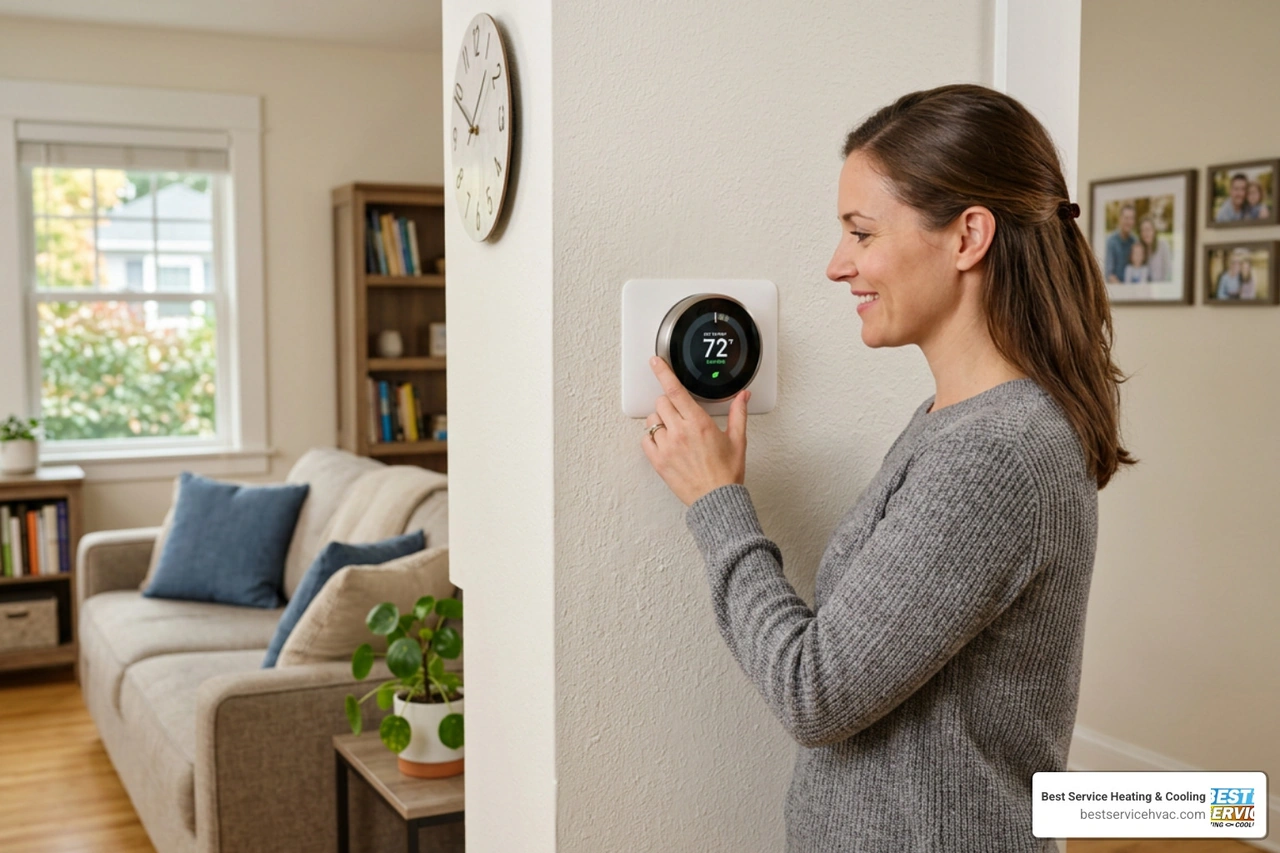
- Winter: Set your thermostat to 68°F when you're home. When you're sleeping or away, you can drop it by 5-7 degrees, but avoid large drops (more than 8 degrees) during extreme cold snaps, as your system will struggle to recover.
- Summer: Set your thermostat to 78°F. For every degree you raise it above 72°F in the summer, you can save significantly on your cooling costs.
Our Spring AC and HVAC Maintenance for Central Ohio visits are designed to catch small issues before they become "no-heat" or "no-cool" emergencies. During these visits, we:
- Clean the outdoor condenser coils to improve heat transfer.
- Check refrigerant levels to ensure efficient cooling.
- Inspect electrical connections that can loosen during freeze-thaw cycles.
- Clear condensate drains to prevent summer water damage.
- Test safety controls and carbon monoxide levels.
Frequently Asked Questions about Ohio Weather and HVAC
Can snow accumulation damage my outdoor HVAC unit?
Yes, it can. While units are built to be outdoors, heavy snow and ice can block airflow, forcing the system to work harder and potentially leading to a compressor failure. Ice falling from your roof can also dent the unit or damage the fan. It is always a good idea to gently clear snow away from the unit with a broom (not a shovel!) and ensure no ice is hanging directly above it.
Why does my heat pump ice up during Central Ohio winters?
A light frost is normal, but if your heat pump looks like a solid block of ice, there is a problem. This usually indicates a faulty defrost board, a bad sensor, or restricted airflow. When the unit is encased in ice, it cannot pull heat from the outdoor air, and it will likely switch to "Emergency Heat," which can cause your electric bill to skyrocket.
Should I cover my air conditioner during the winter months?
We generally recommend not using a full cover that wraps all the way to the ground. These covers trap moisture inside the unit, which can lead to rust and corrosion. Even worse, they provide a warm, dry home for mice and other rodents who love to chew on electrical wiring. If you want to protect your unit from falling icicles, a simple piece of plywood weighted down on the top is usually sufficient.
Conclusion
At Best Service Heating & Cooling, we’ve been helping our neighbors navigate the wild Central Ohio weather since 1992. As a family-owned business with an A+ BBB rating, we know that your HVAC system is the heart of your home’s comfort. Whether you are in Reynoldsburg, Dublin, or New Albany, our team is ready to ensure your system is prepared for whatever the next season throws our way.
Don't let the Ohio climate catch you off guard. From routine tune-ups to full system replacements, we are here to provide the "Best Service" in the region. Explore our Service Areas to see how we help homeowners just like you stay comfortable year-round, or Contact Us today to schedule your seasonal maintenance.
.webp)
.webp)

Service Areas
