
Smart Ways to Cool Your Home Efficiently and Save Money

Why Your Summer AC Bill Feels So Out of Control — And What to Do About It
If you're wondering how to lower AC bills during summer, you're not alone. Air conditioning can account for up to 40% of your home's utility bill during the hottest months — and in Central Ohio, where summer heat and humidity both climb, your system works even harder to keep up.
Here are the fastest ways to cut your summer cooling costs:
- Set your thermostat to 78°F when you're home, and raise it 7–10 degrees when you're away
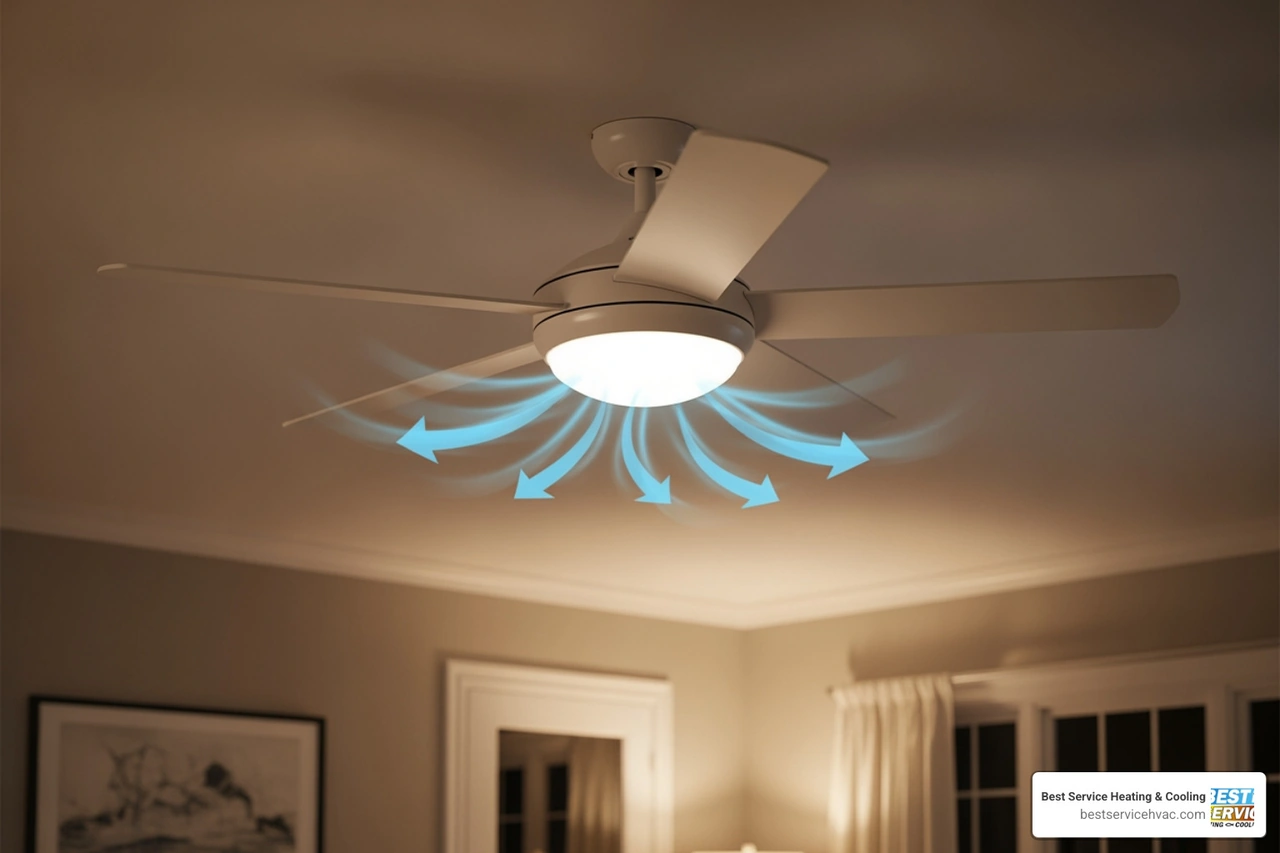
- Use ceiling fans set to spin counterclockwise to feel up to 4°F cooler without lowering the thermostat
- Close blinds and shades on south- and west-facing windows during peak sun hours (11 a.m. to 3 p.m.)
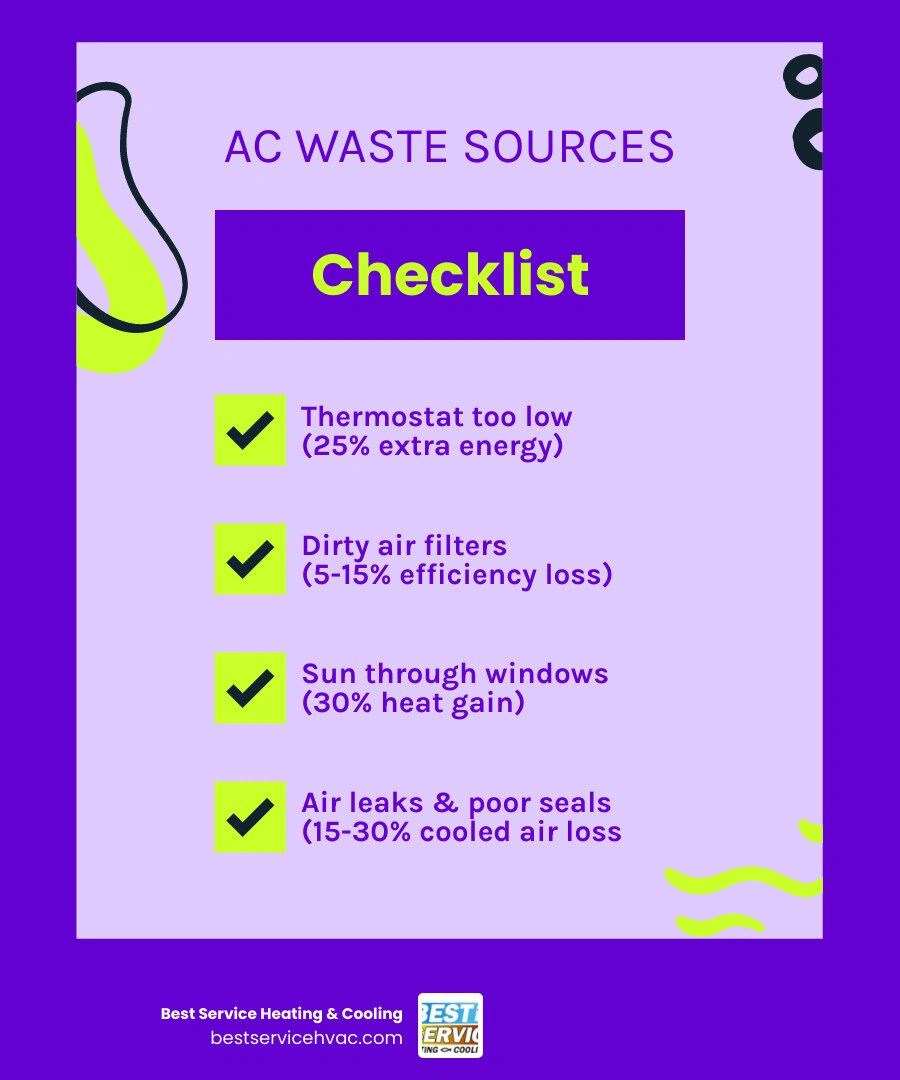
- Change your air filter every 30–90 days to prevent airflow restrictions that force your AC to work harder
- Seal air leaks around windows and doors with caulk and weatherstripping
- Shift heat-generating chores like laundry and dishwashing to early morning or late evening
- Schedule a pre-summer AC tune-up to make sure your system is running at peak efficiency
The average household spends $1,900 per year on utility bills, with nearly half going to heating and cooling. Even small adjustments — like tweaking your thermostat or drawing your blinds — can add up to real savings over a full summer season. The tips below cover everything from quick daily habits to smart long-term upgrades, so you can stay cool without watching your bill climb every month.
How to Lower AC Bills During Summer Without Sacrificing Comfort
Finding the "sweet spot" between a cool home and a reasonable electric bill is the goal for every homeowner in Columbus and the surrounding suburbs. Many people think they have to suffer in a sweltering house to save money, but efficiency is actually about reducing the "load" on your AC. When your home stays naturally cooler and your AC runs more effectively, you get the comfort you want at a fraction of the price.
By understanding how your thermostat settings, fan usage, and indoor humidity interact, you can create a comfortable environment while keeping your energy usage in check. It's not about turning the AC off; it's about making sure every minute it runs counts.
Best thermostat setting for how to lower AC bills during summer
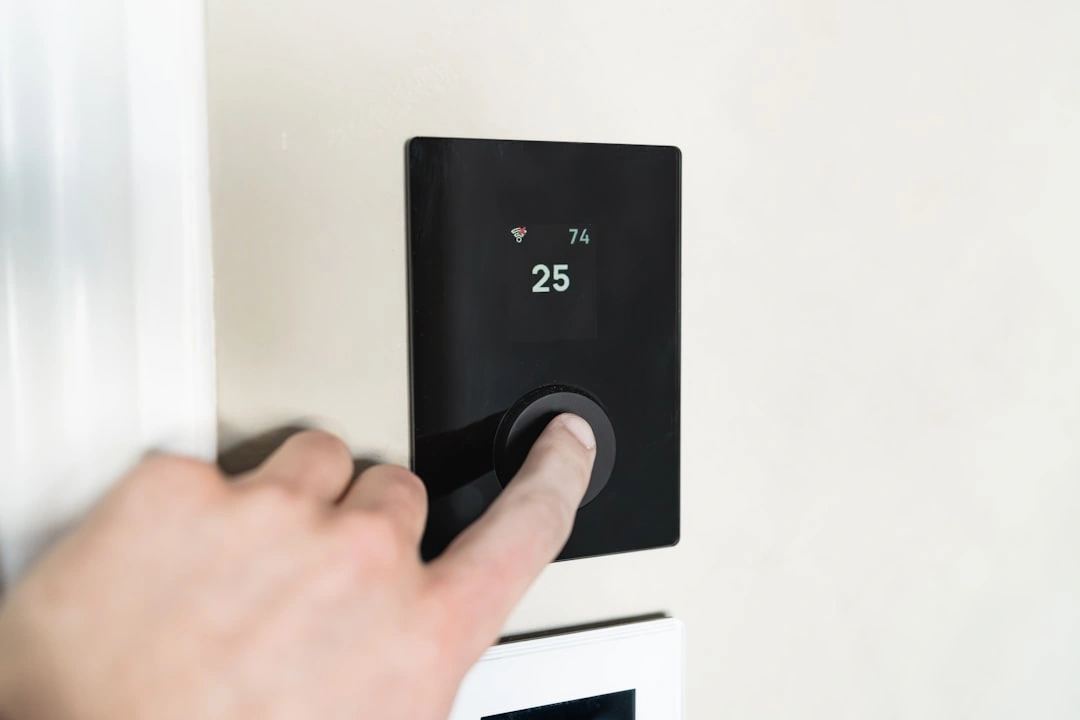
The U.S. Department of Energy recommends setting your thermostat to 78°F when you are at home. While this might sound high if you’re used to 70°F, every degree you set the thermostat above 75°F can save you between 10% and 15% in energy use.
To maximize savings, we recommend a 7-to-10-degree "setback" for eight hours a day. For example, if you prefer 76°F while you're relaxing in the evening, try setting it to 84°F while you're at work in Dublin or Westerville. This simple shift can save up to 10% on your monthly bill. For sleeping, many find that 78°F paired with a fan provides the perfect balance of comfort and cost-control.
Use fans the right way so your AC does less work
Fans don't actually lower the temperature of a room; instead, they cool people by creating a wind-chill effect on the skin. This allows you to raise your thermostat by about 4 degrees without any loss in comfort.
In the summer, ensure your ceiling fans are rotating counterclockwise. This direction pushes a cool breeze directly downward.
- Ceiling Fans: Only run them in occupied rooms. Since they cool people and not air, leaving them on in an empty room is just wasting electricity.
- Portable Fans: Great for targeted cooling in home offices or bedrooms.
- Attic Fans: These help clear out the massive heat buildup in your roof space, which prevents heat from radiating down into your living areas.
Control humidity so warmer temperatures still feel comfortable
In Central Ohio, it’s often the humidity that makes us feel miserable, not just the heat. When the air is "sticky," your sweat doesn't evaporate, making you feel much hotter than the thermometer suggests.
If your AC unit is oversized, it might cool the room so quickly that it doesn't have time to remove moisture. This leaves you with cold, clammy air. Using a whole-home dehumidifier or a portable unit to keep humidity levels between 30% and 50% can make 78°F feel like 74°F. This allows your AC to run more efficiently while you stay perfectly comfortable.
Cut Heat Gain Before It Reaches Your AC
The easiest way to lower your cooling bill is to stop heat from entering your home in the first place. This is known as "passive cooling." When you block solar heat, your AC doesn't have to work nearly as hard to maintain your target temperature.
Block sunlight with blinds, shades, and curtains
Windows are a major source of heat gain. In fact, about 76% of the sunlight that hits standard double-pane windows enters your home as heat.
- Medium-colored draperies with white plastic backings can reduce heat gains by 33%.
- Cellular shades are even more effective, potentially reducing solar heat gain through windows by up to 60%, while highly reflective blinds can reduce it by 45% to 50%.
- The Strategy: Close all blinds and curtains on the south and west sides of your home during the day, especially between 11 a.m. and 3 p.m.
Use natural ventilation and night cooling at the right times
If the temperature drops significantly at night, you can use "night flushing." Open your windows in the late evening to let cool air in and use fans to create a cross-breeze.
The trick is to close everything—windows, blinds, and doors—early in the morning before the sun starts to bake the air. This traps the cool night air inside. However, be cautious in Ohio; if the humidity is high at night, opening the windows might actually make your AC work harder the next day to remove that moisture.
Add long-term shade with trees, shrubs, and awnings
Landscaping is a "green" way to save green on your bills. Planting deciduous trees (the kind that lose their leaves in winter) on the south and west sides of your home provides deep shade in the summer while allowing the sun to warm your house in the winter.
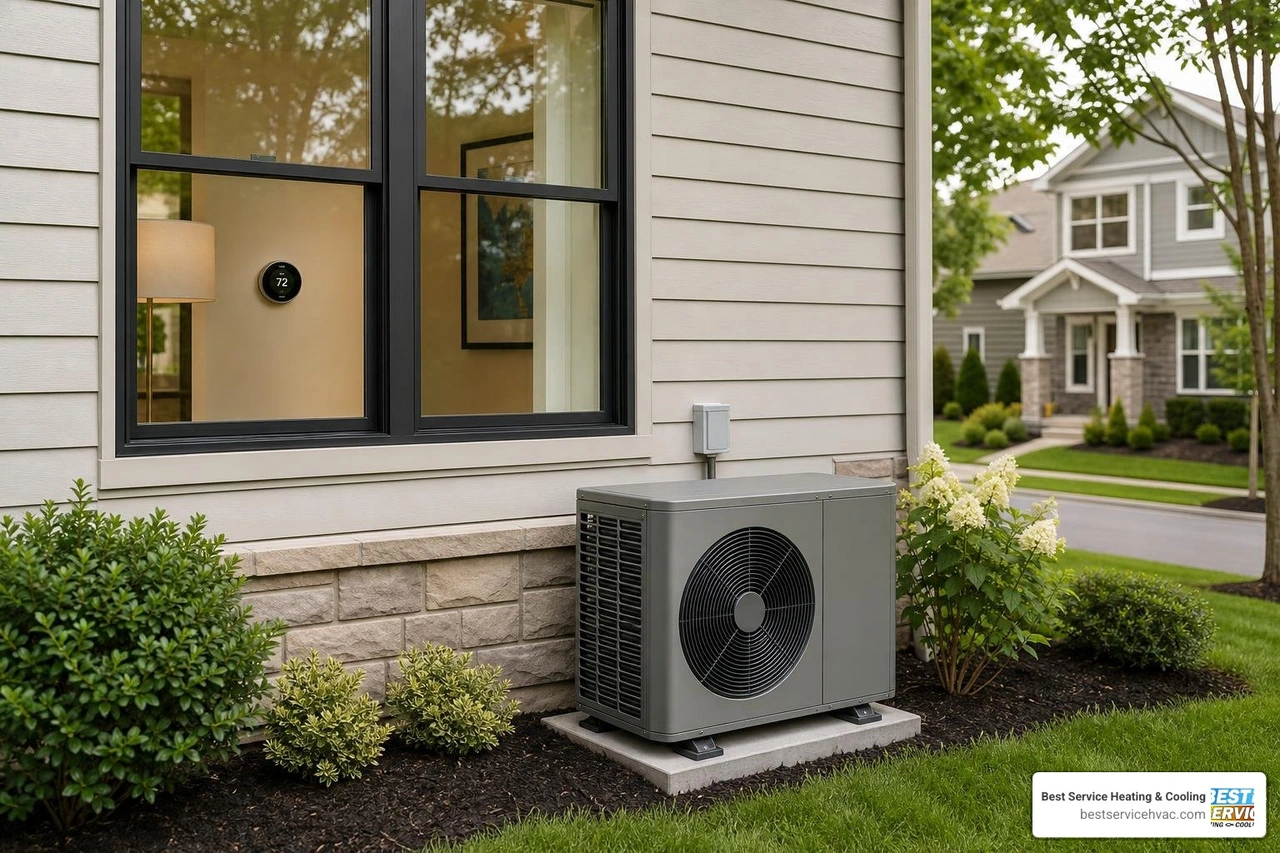
- Efficiency Boost: Shading your outdoor AC unit with shrubs or a trellis can make the system up to 10% more efficient. Just ensure there is at least two feet of clearance for airflow.
- Temperature Difference: The air under a shade tree can be up to 25°F cooler than the air over nearby asphalt.
- Awnings: Installing awnings on south-facing windows can reduce solar heat gain by up to 65%.
Maintain Your AC for Lower Summer Energy Use
A neglected AC unit is an expensive AC unit. When components are dirty or worn out, the system has to run longer and consume more power to achieve the same level of cooling. Regular maintenance is the most effective way to ensure you aren't overpaying for comfort.
Change or clean air filters on the right schedule
This is the single most important DIY task for any homeowner. A clogged, dirty filter restricts airflow, which forces the blower fan to work overtime.
- The Savings: Replacing a dirty filter with a clean one can lower your air conditioner's energy consumption by 5% to 15%.
- The Schedule: In Columbus, we recommend checking your filter every 30 days. If you have pets or allergies, you’ll likely need to change it every month. At a minimum, never go longer than 90 days during the peak cooling season.
Importance of Regular AC Maintenance for Your Space
Do these pre-summer AC maintenance tasks first
Before the first heatwave hits, take a walk around your home.
- Clear Debris: Ensure there are no leaves, tall grass, or mulch piles within two feet of your outdoor condenser unit.
- Clean the Coils: Gently brush off any visible dirt from the exterior coils.
- Check the Drain Line: Make sure the condensate drain isn't clogged with algae or debris.
- Vent Check: Ensure all indoor supply and return vents are open and not blocked by furniture or rugs.
What Does an HVAC Maintenance Visit Include
Know when efficiency problems need repair instead of DIY
Sometimes, a high bill isn't about your habits—it's about a mechanical failure. If you notice your AC is blowing warm air, or if your circuit breaker trips every time the unit kicks on, it's time to call in the professionals. Ignoring these signs can lead to a total system breakdown and much higher repair costs later.
- Weak Airflow: Could indicate a failing motor or duct issues.
- Frequent Cycling: If your AC turns on and off every few minutes, it’s wasting massive amounts of energy.
- Strange Noises: Squealing or grinding usually means a part is about to fail.
When AC Unit Starts Blowing Warm AirSolving Frequent AC Circuit Breaker TripsUltimate AC Repair Signs Guide
Seal Leaks, Insulate Better, and Upgrade Smartly
Your home's "envelope" is what keeps the expensive cool air inside. If your home is leaking air, you're essentially paying to cool the entire neighborhood.
Seal air leaks and ducts to stop cooled air from escaping
Air leaks can account for up to 40% of a home's energy loss.
- The Dollar Bill Test: Slide a dollar bill under your exterior doors. If it moves easily, you're losing air. Use weatherstripping to seal these gaps.
- Caulking: Apply caulk to stationary gaps around window frames.
- Ductwork: A typical duct system can lose up to 30% of its air through leaks and poorly sealed connections. If your ducts are in an unconditioned attic or crawlspace, sealing and insulating them is vital.
How smart and programmable thermostats lower AC use
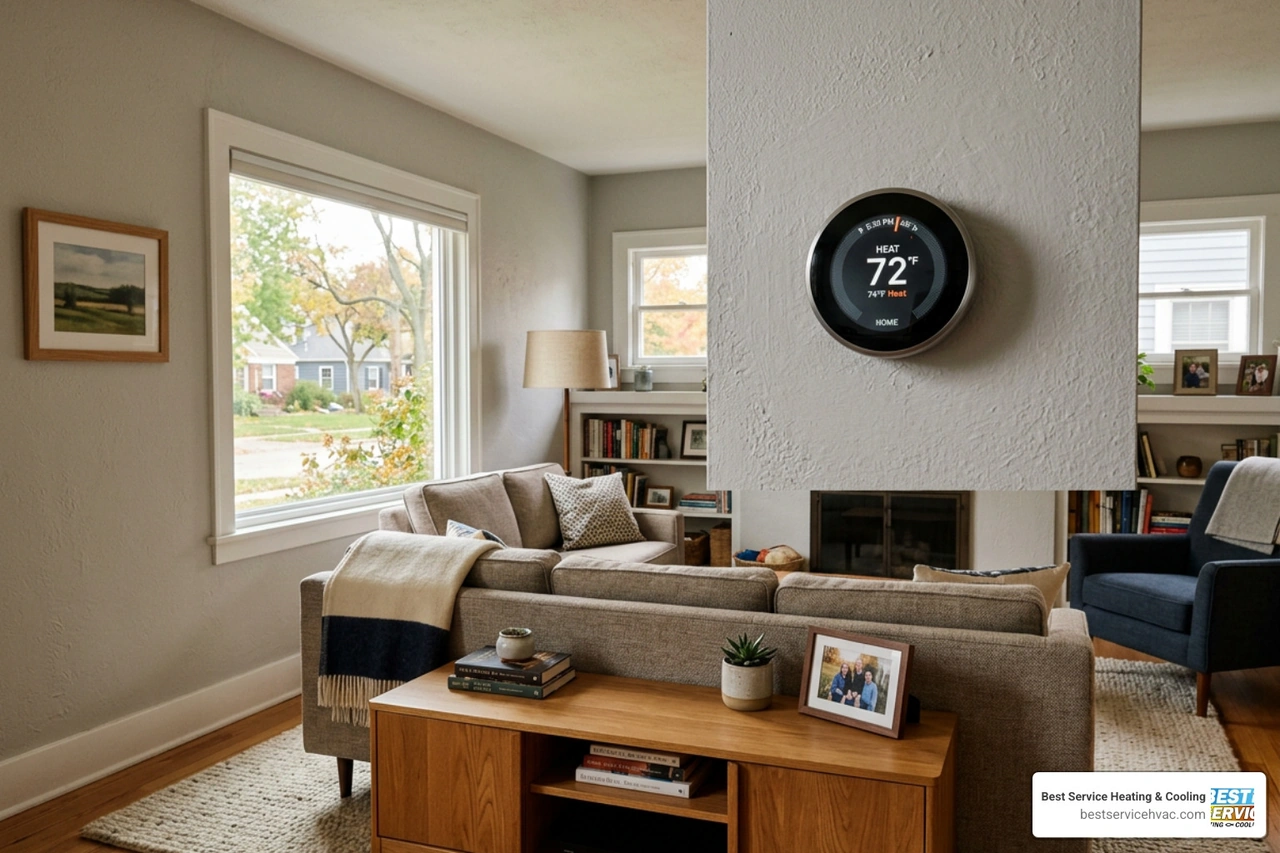
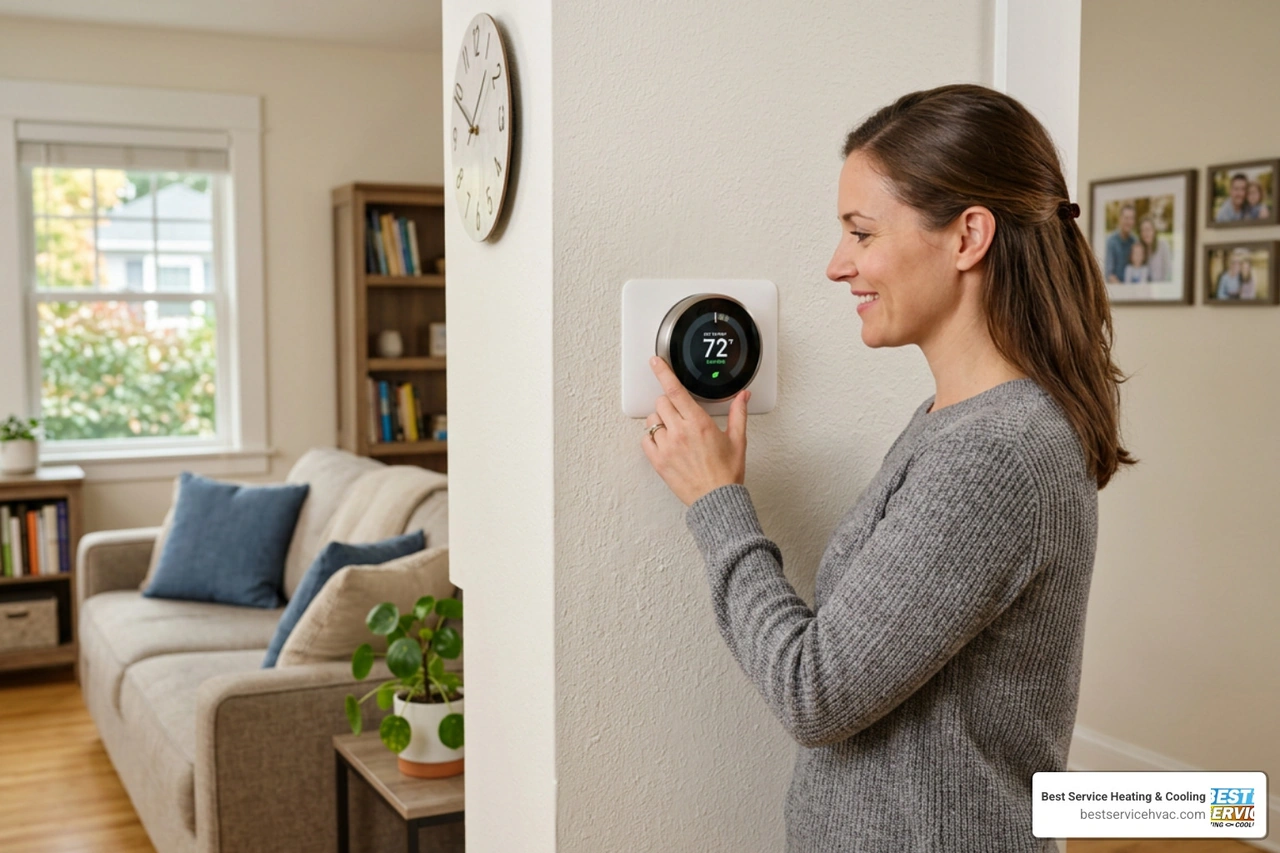
A smart thermostat is one of the best investments for how to lower AC bills during summer. On average, these devices can reduce your cooling bill by 15%.
- Geofencing: Some models can sense when you leave the house via your phone's GPS and automatically raise the temperature.
- Room Sensors: These help the thermostat understand the temperature in the rooms you actually use, rather than just the hallway where the main unit is located.
- Remote Control: Forget to turn up the AC before heading to a Clippers game? You can do it from your phone.
When an AC upgrade makes sense for long-term savings
If your AC unit is more than 10–12 years old, it likely has a SEER (Seasonal Energy Efficiency Ratio) rating of 10 or 12. Modern ENERGY STAR-rated units often have SEER2 ratings of 18 or higher.
- The Savings: Switching from a 12-SEER unit to an 18-SEER2 model can reduce your electricity use by about 30%, which can translate to significant monthly savings.
- Proper Sizing: When we install a new system, we perform a "Manual J" calculation to ensure the unit is perfectly sized for your home's square footage and insulation levels.
| Upgrade Type | Estimated Savings | Difficulty/Cost |
|---|---|---|
| Routine Maintenance | 5–15% | Low / Essential |
| Smart Thermostat | 10–15% | Moderate |
| High-Efficiency AC (18+ SEER2) | 20–40% | High / Long-term |
Lower Total Summer Energy Demand Around the House
Your AC isn't the only thing drawing power. Other appliances generate heat, which makes your AC work even harder. By shifting your habits, you can lower your overall demand on the grid.
Shift heat-producing chores away from the hottest hours
Appliances like ovens, clothes dryers, and dishwashers generate a significant amount of heat and humidity.
- Timing: Try to run these appliances after 8 p.m. or early in the morning.
- Laundry: Use cold water for laundry whenever possible; heating water accounts for about 18% of the energy consumed in your home.
- Cooking: Summer is the perfect time for outdoor grilling or "no-cook" meals like salads. This keeps the kitchen—and the rest of the house—much cooler.
Use utility programs, rebates, and home energy audits
Many utility companies in Central Ohio offer incentives to help you save.
- Energy Audits: Some utilities provide free or discounted professional energy audits to identify exactly where your home is losing air.
- Rebates: You can often find rebates for installing smart thermostats or upgrading to ENERGY STAR-rated HVAC equipment.
- Load Control Programs: Some programs offer bill credits if you allow the utility to slightly adjust your thermostat during "peak demand" events on the hottest days of the year.
How to lower AC bills during summer by stacking small wins
The secret to a truly low bill is "stacking." One tip might save you 3%, but five tips combined can save you 25% or more.
- Weekly Habit: Check your filter every Sunday.
- Daily Habit: Close the blinds before you leave for work.
- Monthly Habit: Rinse off your outdoor condenser with a garden hose (gentle pressure only!).By combining a smart thermostat with ceiling fans and proper shading, you create a highly efficient environment that stays comfortable even when the Ohio humidity is at its worst.
Frequently Asked Questions About How to Lower AC Bills During Summer
What is the best summer thermostat setting when I’m home and when I’m away?
The ideal setting for most people is 78°F while at home. When you are away for more than 8 hours, raise it to 85°F. For sleeping, 78°F with a ceiling fan is the most energy-efficient setup.
How often should I change my AC filter in summer?
Check it every 30 days. If it looks grey or dusty, change it. During heavy use months like July and August, most Columbus homes need a new filter every 30 to 60 days.
How much can I realistically save by combining these tips?
Homeowners who combine thermostat management, fan usage, and basic maintenance can often see their cooling costs drop by 20% to 30%. In a typical home, that could mean saving hundreds of dollars over the course of the summer.
Conclusion
Lowering your AC bills doesn't have to mean being uncomfortable. By implementing these smart habits—from simply switching your fan's direction to sealing up air leaks—you can protect your wallet while staying cool.
At Best Service Heating & Cooling, we’ve been helping Central Ohio families in Columbus, Gahanna, Grove City, and beyond stay comfortable since 1992. Whether you need a precision tune-up to boost your efficiency or you’re ready to upgrade to a high-efficiency system, our A+ BBB-rated team is here to help.
.webp)
.webp)

Service Areas
