
Columbus Water Heater Replacement: A Step-by-Step Guide

Why Water Heater Replacement in Columbus OH Matters for Your Home
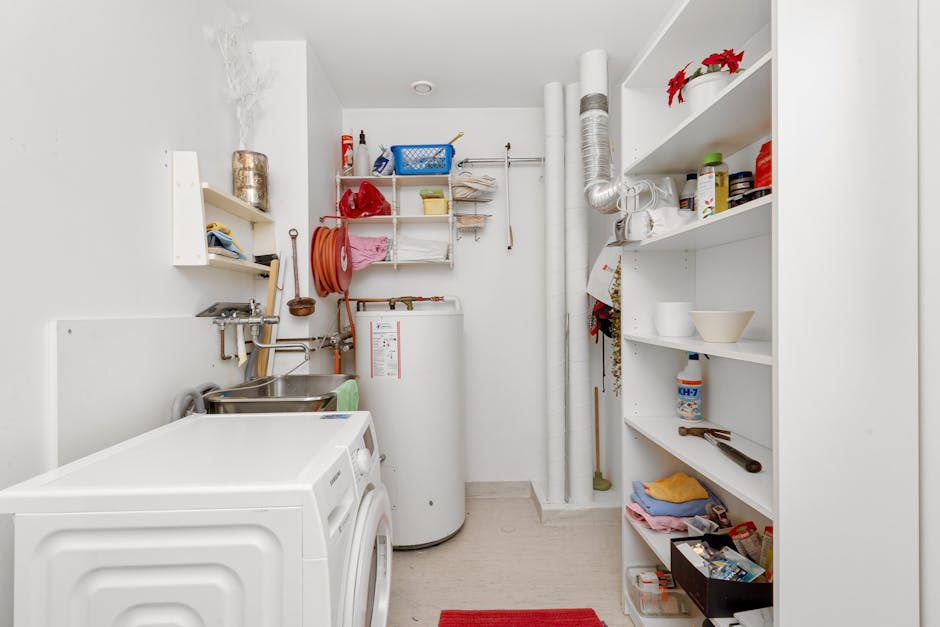
Water heater replacement in Columbus OH becomes essential when your unit stops delivering the hot water your household depends on. Whether you're facing cold showers, rising energy bills, or an aging system that's nearing the end of its lifespan, understanding when and how to replace your water heater can save you from unexpected breakdowns and costly emergency repairs.
Quick Answer: When to Replace Your Water Heater
- Age: Most tank water heaters last 8-12 years; tankless units last 20-30 years
- Performance Issues: Inconsistent temperatures, inadequate hot water, or frequent shutdowns
- Visible Problems: Leaks, rust, corrosion, or pooling water around the base
- Rising Costs: Increasing energy bills or frequent repair expenses
- Strange Sounds: Rumbling, popping, or banging noises from the tank
For comprehensive plumbing solutions, explore our plumbing services in Columbus, or if you're ready to move forward, schedule your water heater replacement consultation.
Central Ohio's cold winters make reliable hot water more than a convenience—it's a necessity. Your water heater works hard every day, supplying hot water for showers, dishes, laundry, and cleaning. When it starts to fail, the impact on your daily routine is immediate. The good news is that modern water heaters offer better efficiency, lower operating costs, and more reliable performance than older models. Whether you're considering a traditional tank system or exploring the benefits of a tankless unit, this guide walks you through the entire replacement process, from recognizing the warning signs to choosing the right system and finding a qualified installer.
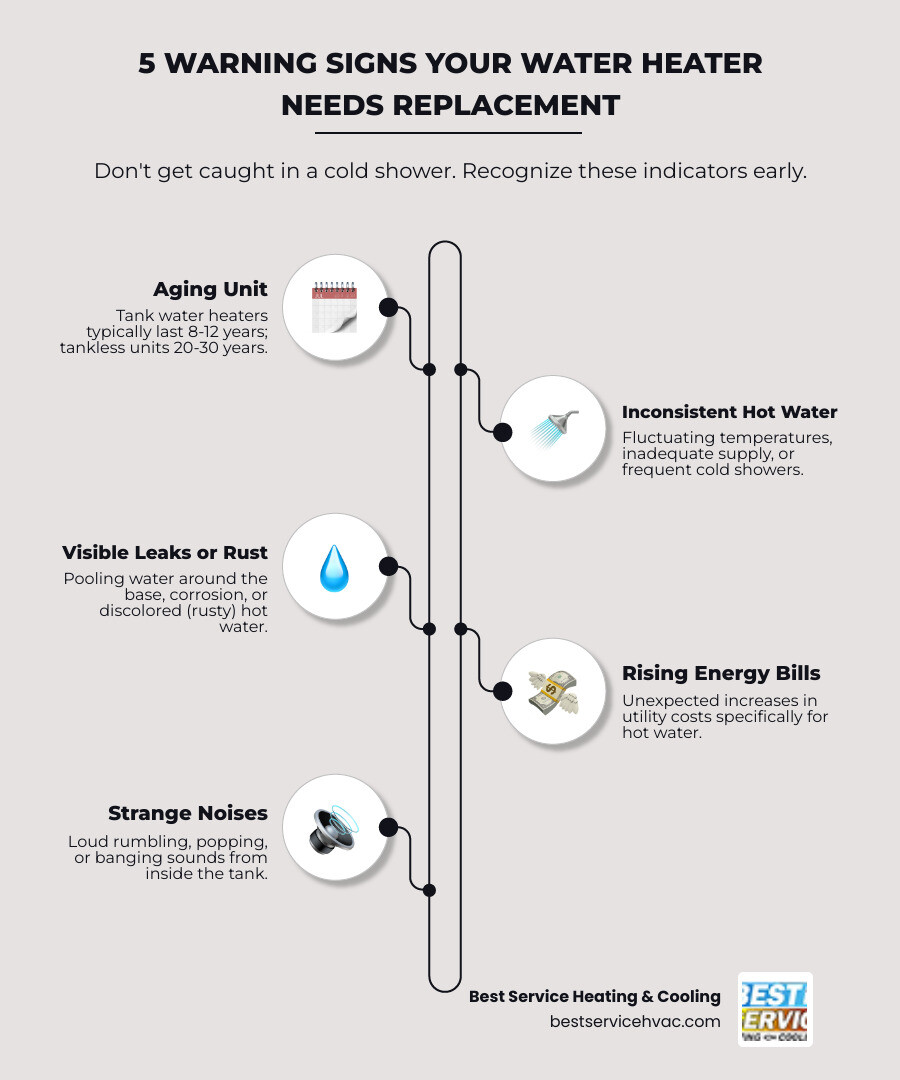
Key Signs Your Water Heater Needs Replacing
Nobody enjoys a cold shower, especially on a chilly Columbus morning. If your water heater is starting to act up, it's usually not a sudden event. There are often tell-tale signs that signal it's time to consider a water heater replacement in Columbus OH. Paying attention to these indicators can help you plan ahead and avoid an emergency situation.
Age of the Unit
The average lifespan for traditional tank water heaters is typically between 8 to 12 years. While some might push a bit longer, performance often declines significantly after the 10-year mark. If your unit is approaching or has exceeded this age, even without obvious problems, it's wise to start thinking about replacement. Waiting until it completely fails can leave you scrambling for hot water.
Inconsistent Water Temperature
Are your showers turning lukewarm unexpectedly? Does the hot water run out much faster than it used to? Inconsistent water temperature or a reduced supply of hot water is a common sign of an aging or failing water heater. This could be due to sediment buildup in the tank, a faulty heating element, or simply an inability to keep up with your household's demand.
Leaks or Pooling Water
Any visible water around the base of your water heater is a serious red flag. Leaks often indicate internal corrosion or cracks in the tank itself. Once a tank begins to leak, it's usually beyond repair, and replacement becomes the only viable option. Ignoring a leak can lead to significant water damage to your home, so it's crucial to address this promptly.
Discolored or Rusty Water
If you turn on your hot water tap and notice rusty or discolored water, it's a strong indication that the inside of your water heater tank is corroding. This rust can contaminate your hot water supply and eventually lead to a leaky tank. While sometimes it can be an issue with your pipes, if it only happens with hot water, the culprit is likely your water heater.
Strange Noises
Older water heaters often develop peculiar noises, such as rumbling, popping, or banging sounds. These noises are typically caused by sediment buildup at the bottom of the tank. As the heating element attempts to heat the water through the layer of sediment, it creates these sounds. This sediment reduces efficiency, makes your unit work harder, and can eventually damage the tank.
Frequent Repairs
If you find yourself calling for water heater repairs more and more often, it might be more cost-effective in the long run to invest in a new unit. Continuing to pour money into an old, inefficient water heater can quickly become a financial drain. Acting proactively when you notice these signs can save you from the stress and inconvenience of a sudden water heater failure.
Exploring Your Water Heater Options: Tank vs. Tankless
When considering a water heater replacement in Columbus OH, one of the biggest decisions you'll face is choosing between a traditional storage tank water heater and a modern on-demand tankless unit. Both have distinct advantages and considerations that can impact your energy efficiency, hot water supply, and overall home comfort.
We'll help you explore the differences in terms of energy efficiency, hot water supply, upfront investment versus long-term savings, and how each option fits into your home layout.
Traditional Storage Tank Water Heaters
Traditional tank water heaters are the most common type found in homes across Columbus and beyond.
- How They Work: These units store a large volume of water (typically 30 to 100 gallons) in an insulated tank. This water is continuously heated to a set temperature and kept warm until it's needed. When you turn on a hot water tap, hot water is drawn from the top of the tank, and cold water enters the bottom to be heated.
- Capacity in Gallons: Tank sizes vary significantly, and choosing the right capacity is crucial for meeting your household's needs. A home with one or two people might be sufficient with a 30-gallon heater, while a larger family with multiple bathrooms might need a 100-gallon unit.
- Fuel Types:
- Gas Water Heaters: These use a gas burner at the bottom of the tank to heat the water. They often have lower operating costs than electric models in many areas and typically offer faster recovery rates (how quickly they can reheat a tank of water).
- Electric Water Heaters: These use submerged electric heating elements to warm the water. They are generally less expensive to purchase and install than gas models, but their operating costs can be higher depending on electricity prices.
- Typical Lifespan: As we've discussed, the average lifespan for tank water heaters is 8 to 12 years.
- Pros and Cons:
- Pros: Lower upfront cost, simpler installation, reliable supply of hot water for typical usage.
- Cons: Limited hot water supply (can run out), energy loss due to standby heating, takes up significant floor space, shorter lifespan.
On-Demand Tankless Water Heaters
Tankless water heaters, also known as on-demand water heaters, represent a more modern and energy-efficient approach to hot water.
- How They Work: Unlike tank models, tankless water heaters don't store hot water. Instead, when you turn on a hot water tap, cold water travels through a pipe into the unit. A heating element (gas burner or electric coil) instantly heats the water as it flows through, providing hot water on demand. When the tap is turned off, the unit stops heating.
- Endless Hot Water: One of the most significant benefits is the virtually endless supply of hot water. As long as the unit is properly sized for your home's flow rate, you won't run out of hot water during long showers or when running multiple appliances simultaneously.
- Energy Savings: Tankless water heaters are generally more energy-efficient than traditional tank-style units because they only heat water when needed, eliminating standby energy losses. They offer potential savings of up to 25% on water heating bills.
- Longer Lifespan: Tankless heaters typically offer many more years of use than conventional models. A tankless water heater has an average service life of 20 to 30 years, nearly double that of a traditional tank unit.
- Space-Saving Design: These units are compact and typically mount on a wall, freeing up valuable floor space in your utility closet, basement, or garage.
Here's a quick comparison of the two types:
| Feature | Traditional Storage Tank Water Heater | On-Demand Tankless Water Heater |
|---|---|---|
| Lifespan | 8-12 years | 20-30 years |
| Energy Savings | Moderate, with standby heat loss | Up to 25% savings, heats on demand |
| Hot Water Supply | Limited by tank capacity | Virtually endless |
| Space | Takes up significant floor space | Compact, wall-mounted |
How to Choose the Right Water Heater for Your Home
Selecting the ideal water heater for your Columbus OH home requires considering your household's specific needs. We'll help you evaluate the following factors to find a system that provides reliable, efficient hot water for years to come.
- Household Size and Water Usage: The number of people in your home and your daily habits (like running multiple appliances at once) determine your peak hot water demand.
- Available Space: Tank water heaters require significant floor space, while compact tankless units can be wall-mounted, ideal for smaller areas.
- Fuel Source: Your choice between natural gas and electricity will depend on your home's existing setup and your preference. Converting fuel types is possible but adds complexity.
Sizing Your New Water Heater
Proper sizing is paramount for optimal performance. We'll help you determine the right size based on your needs, including any future plans for home expansion.
- First Hour Rating (FHR) for Tank Models: FHR indicates how many gallons of hot water a tank heater can supply in its first hour. We'll match the FHR to your household's peak demand.
- Gallons Per Minute (GPM) for Tankless Models: GPM measures the flow rate a tankless unit can produce. We'll calculate the GPM needed to run the fixtures you use simultaneously.
The Importance of Energy Efficiency
Upgrading to an energy-efficient water heater offers significant long-term savings and environmental benefits.
- ENERGY STAR® Models: Units with the ENERGY STAR® label meet strict federal efficiency guidelines, saving you money and reducing your carbon footprint.
- Uniform Energy Factor (UEF) Rating: The UEF rating measures a water heater's overall efficiency. A higher UEF rating means greater efficiency and savings.
- Utility Bill Savings: Since water heating is a major home energy expense, a more efficient model can noticeably reduce your monthly bills.
- Ohio Energy Programs: It's always worth checking for local or state rebates and incentives for installing energy-efficient water heaters. We can help you identify potential savings opportunities.
The Professional Water Heater Replacement in Columbus OH Process
When it comes to a water heater replacement in Columbus OH, going with a professional service ensures a smooth, safe, and code-compliant installation. We understand that this is a significant home improvement, and we're committed to making the process as seamless as possible for your family.
Our team adheres to strict safety protocols and ensures proper connections for all gas, electric, and water lines, including the safe removal and disposal of your old unit.
What to Expect During Installation
Our transparent process is designed for your convenience:
- Assessment: Our technician arrives, confirms the installation plan, and assesses the area.
- Removal: We safely drain the old tank, disconnect all lines, and remove the unit for proper disposal.
- Installation: The new water heater is set in place, and all water, gas, or electric lines are expertly connected with new fittings.
- Testing: We fill and test the new system, check for leaks, and adjust the temperature to a safe and efficient setting (typically 120°F).
A standard replacement takes about three hours, though complex jobs may take longer. Our comprehensive service includes delivery, installation, and haul-away of the old unit. We will always communicate any additional needs, such as permits or code updates, before work begins.
Post-Installation and Maintenance Tips
Proper care will prolong your new water heater's lifespan and maintain its efficiency.
- Check for Leaks: Periodically inspect around the unit's base and connections for any moisture.
- Verify Temperature: Ensure the temperature is set around 120°F for a balance of safety and energy savings.
- Flush the Tank Annually (Tank Models): Flushing the tank yearly removes sediment, which improves efficiency and extends the unit's life.
- Inspect the Anode Rod: For tank models, the anode rod should be checked every 2-3 years and replaced if depleted to prevent tank corrosion.
- Schedule Professional Maintenance: Annual service helps catch potential issues early and keeps your system running at peak performance.
Finding a Qualified Water Heater Installer
Choosing the right professional for your water heater replacement in Columbus OH is as important as selecting the right unit itself. A qualified installer will be licensed, insured, and have extensive local experience with Columbus building codes. Look for a provider with positive reviews that demonstrates professionalism and clear communication.
Why Professional Installation is Crucial
Improper installation poses serious risks, including dangerous carbon monoxide leaks, water damage, and fire hazards. It can also lead to poor efficiency and may void your manufacturer's warranty. Choosing a professional ensures:
- Safety and Code Compliance: Our certified technicians ensure all connections are secure and meet local Columbus building codes, protecting your home and family.
- Optimal Efficiency: Expert installation guarantees your new unit operates at peak performance, maximizing energy savings.
- Warranty Protection: Professional installation validates your manufacturer's warranty, protecting your investment.
- Peace of Mind: When you work with our experienced team, you get a seamless process from selection to installation. We provide comprehensive warranty coverage, include all necessary components, and serve as your single point of contact for future needs, ensuring quality craftsmanship and your complete satisfaction.
Questions to Ask a Potential Installer
Before committing to a service, consider asking these questions:
- "Are you licensed and insured to perform water heater installations in Ohio?"
- "What is your experience with my chosen water heater model?"
- "What warranty do you offer on your installation labor?"
- "What are your service and satisfaction guarantees?"
Your Next Steps for a Reliable Hot Water Supply
A reliable water heater is essential for comfort and daily life in your Columbus home. By understanding the signs of failure, exploring your options, and choosing a qualified professional, you can ensure a smooth replacement process and enjoy consistent, efficient hot water for years to come. For expert guidance and professional installation, the team at Best Service Heating & Cooling has been a trusted choice for homeowners since 1992. Ready to upgrade your system? Learn more about water heater replacement in Columbus, OH.
.webp)
.webp)

Service Areas
