
Furnace Installation in OSU, OH
Furnace installation experts in OSU, OH provide energy-efficient heating solutions. Learn more about sizing, installation steps, and maintenance today.

Furnace Installation in OSU, OH
Upgrading to a new furnace is one of the most effective ways to keep your OSU, OH home warm, safe, and energy efficient through Columbus winters. Whether you live in a century-old brick home near campus, a compact apartment in the neighborhood, or a modern house in the surrounding area, a properly planned furnace installation addresses comfort problems, high utility bills, uneven heating, and safety concerns like carbon monoxide risk.
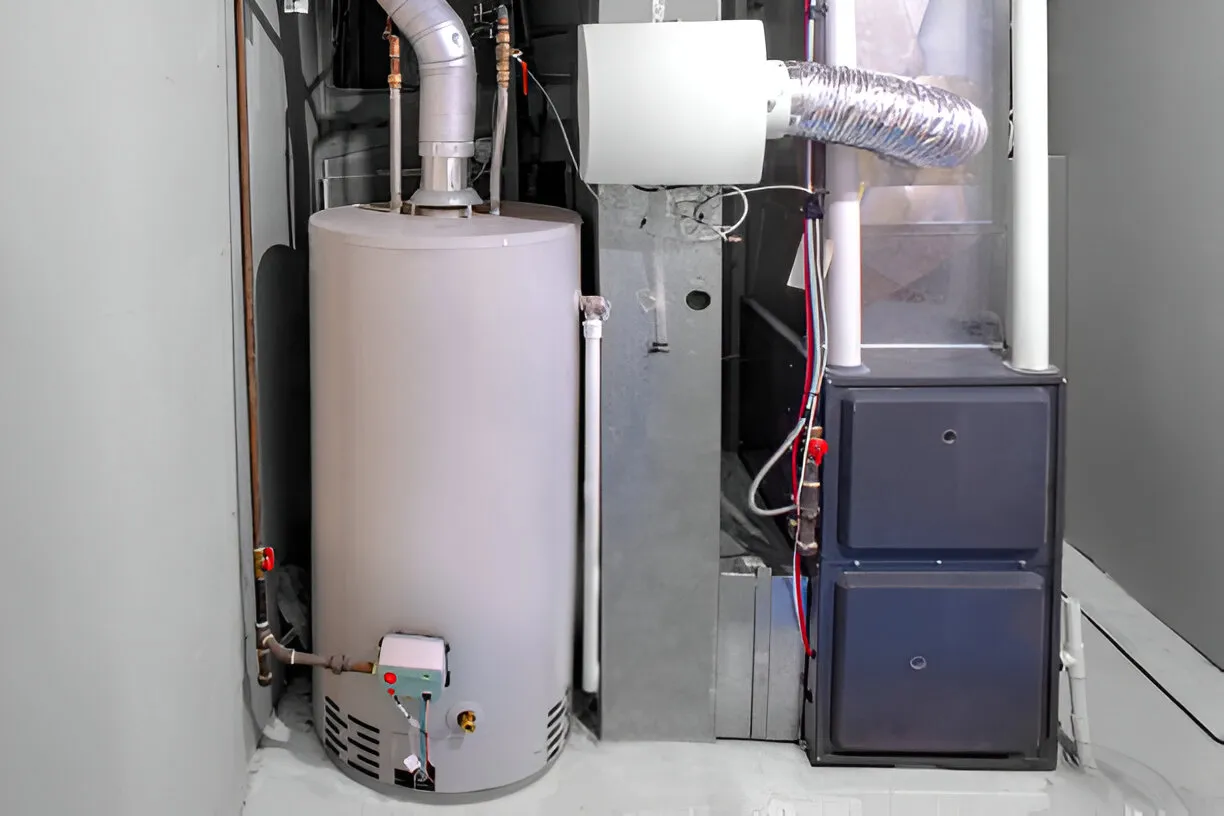
Common furnace installation needs in OSU, OH
- Replacement of aging or failing gas furnaces after frequent repairs or safety faults
- Upgrading to a high-efficiency condensing furnace to lower natural gas usage during cold months
- Installing furnaces in older homes with limited mechanical space or undersized ductwork
- Converting from electric or oil heating to modern gas or high-efficiency systems
- Whole-home replacements to resolve persistent hot/cold spots and airflow imbalance
OSU-area homes often face cold, damp winters and significant seasonal temperature swings. That makes correct sizing, airtight ductwork, and reliable venting crucial for sustained comfort and energy savings.
Site assessment — the first critical step
A comprehensive site assessment ensures the new furnace fits your home’s needs and constraints. Key elements include:
- Visual inspection of existing equipment, flue, and combustion air supply
- Measurement of accessible ductwork, returns, and the location of supply registers
- Evaluation of mechanical room or closet dimensions and clearances required by code
- Inspection for signs of poor airflow, duct leakage, or insulation shortfalls
- Review of fuel type and meter location for gas-fired systems
In OSU neighborhoods where homes can be smaller or older, the assessment also checks for tight spaces, front- or side-venting limitations, and any historic home considerations that affect installation access.
Proper unit sizing — why it matters
Selecting the right furnace size is not about choosing the biggest unit. Oversized or undersized systems both cause problems:
- Oversized furnaces short-cycle, increasing wear and reducing dehumidification in shoulder seasons
- Undersized furnaces struggle to reach set temperatures, drive energy costs up, and shorten lifespan
A professional load calculation (Manual J) factors in insulation, windows, orientation, and local climate, producing an accurate required heating capacity. For homes with ductwork changes, Manual D (duct design) and Manual S (equipment selection) help match the furnace to the distribution system.
Typical installation steps
- Finalize equipment selection and confirm clearances, venting, and fuel connections.
- Remove the old furnace and prepare the installation area, including pad or platform work if needed.
- Install the new furnace, including secure mounting and correct orientation for venting.
- Connect gas line or electrical supply per code, and route combustion and flue venting correctly.
- Integrate the furnace with existing ductwork or perform required duct modifications.
- Install controls and thermostat, including any communicating thermostats for modulating systems.
- Perform startup sequence, check safety interlocks, and verify proper operation.
Each step includes adherence to local Columbus and state of Ohio codes for gas and mechanical systems, combustion air supply, and venting. Proper venting and combustion safety are especially important in tightly sealed OSU-area homes.
Ductwork considerations
Ductwork quality directly impacts the performance of a new furnace:
- Seal ducts and repair disconnected or crushed runs to prevent heat loss and improve airflow
- Size supply and return ducts to maintain balanced static pressure; this prevents noisy or ineffective delivery
- Insulate ducts in unconditioned spaces to avoid energy loss during cold Ohio winters
- Add or relocate returns and supplies in rooms that are consistently cold or overheated
In many older OSU homes, duct retrofits are common during furnace replacement. Sometimes a return booster, zone dampers, or adding a second return is the most practical way to fix pressure and balance issues.
Post-installation testing and walkthroughs
After installation, a series of tests confirm safe, efficient operation:
- Combustion analysis and carbon monoxide testing to verify safe fuel burning and draft
- Static pressure and airflow measurements to confirm ducts and blower are correctly matched
- Thermostat calibration and system cycling checks for proper staging and modulation
- Safety control verification, including limit switches, pressure switches, and electrical interlocks
A walkthrough explains system basics in plain language: how to change filters, thermostat settings for efficiency and comfort, how venting looks, where to find serial numbers for warranty, and what normal operating sounds are. This ensures you understand the system and can spot issues early.
Warranty registration and documentation
Registering manufacturer warranties after installation preserves coverage. Typical steps include:
- Recording model and serial numbers along with installation date and installer information
- Completing manufacturer registration forms and retaining receipts and service documents
- Explaining warranty terms, including what components are covered and any required maintenance schedule
Documenting responsible installation practices and retaining warranty paperwork is particularly important in landlord-tenant situations common around OSU, OH.
Financing options and planning
A range of financing options is commonly available to help spread the cost of a full furnace installation. Typical features to consider:
- Flexible terms to balance monthly payments and interest rates
- Options that may include deferred interest or low monthly payments for eligible applicants
- The role of energy-efficiency tax credits or utility rebates when replacing older, inefficient equipment
- How projected energy savings from a high-efficiency furnace affect payback over time
Discussing financing choices alongside efficiency ratings and life-cycle costs helps homeowners choose an option that fits their budget and long-term savings goals.
Final benefits and maintenance advice
A correctly specified and installed furnace delivers:
- Better, more consistent comfort throughout OSU, OH homes during cold months
- Lower energy bills from improved efficiency and reduced cycling
- Improved indoor air quality and quieter operation with balanced airflow
- Longer equipment life and reduced emergency repairs
To protect that investment, schedule regular preventive maintenance, replace filters on a recommended schedule, and keep vents and returns clear of obstructions. Periodic tune-ups preserve efficiency, uphold warranty requirements, and keep safety systems functioning correctly through Columbus’s demanding winter seasons.
Hot Deals & Cool Savings

.webp)
New Service Agreement Membership
.webp)
Any New Client Service
Next Service for Referring a New Client
New Service Agreement Membership
Any New Client Service
Next Service for Referring a New Client
.webp)
.webp)

Service Areas
