
Furnace Repair in OSU, OH
Furnace Repair OSU, OH delivers prompt diagnostics and safe, lasting repairs for campus-area homes and rentals. Schedule service today for reliable heat.

Furnace Repair in OSU, OH
When your furnace struggles during a Columbus winter, you need clear, reliable information about repairs tailored to OSU, OH homes and rentals. Furnace Repair in OSU, OH focuses on prompt diagnostics, safe repairs, and restoring heat efficiently in older student housing, campus-area rowhouses, and modern apartments.
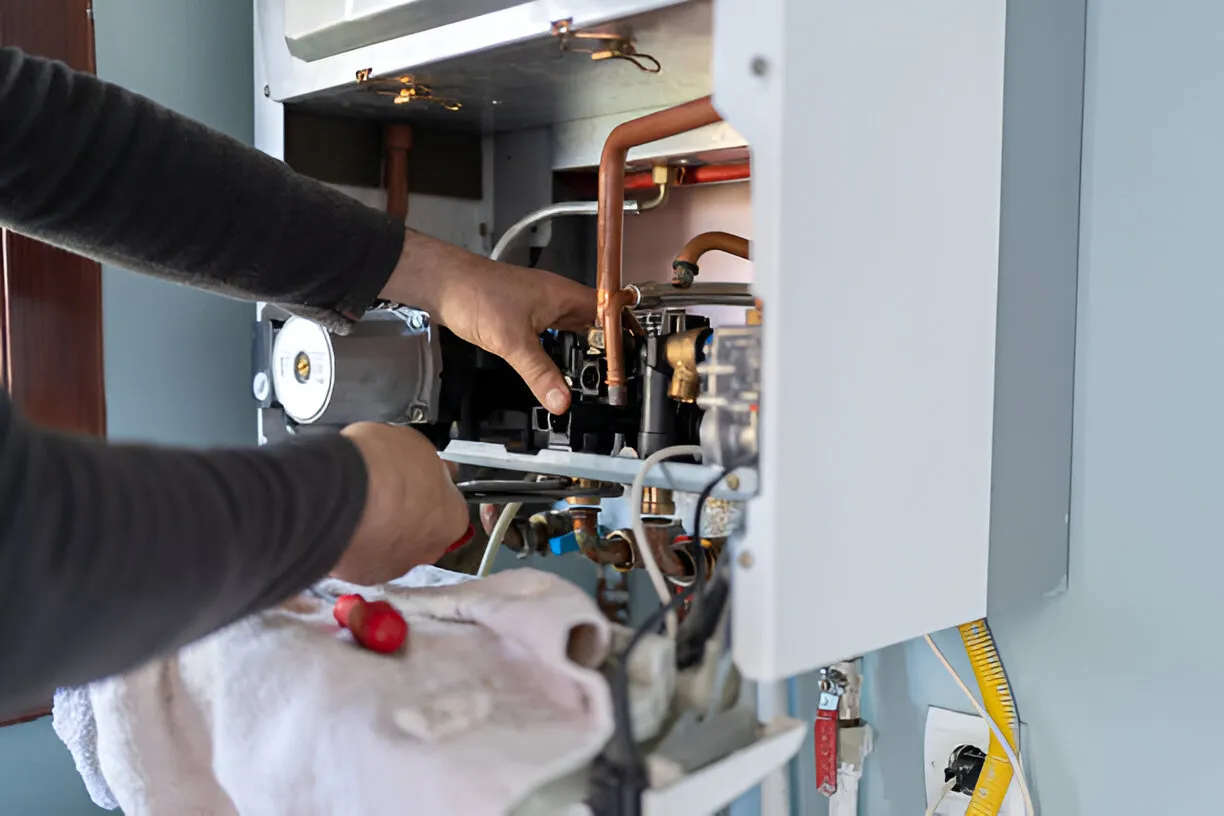
Why furnace repair matters in OSU, OH
OSU neighborhoods include a mix of historic homes, multi-family rentals, and high-occupancy student housing. Winters in central Ohio bring extended cold spells and high heating demand, which exposes existing system weaknesses. Deferred maintenance is common in rental properties, increasing the likelihood of ignition failures, clogged vents, and worn blower components. Effective furnace repair reduces safety risks, restores comfort quickly, and extends equipment life.
Common furnace repair issues in OSU, OH
- No heat or intermittent heat - Could be thermostat, ignition, or control board related. Intermittent operation often points to electrical or ignition inconsistencies.
- Ignition failures - Faulty hot surface igniters, pilot assemblies, or flame sensors are frequent in older and high-use systems.
- Blower not running or weak airflow - Motor failures, worn belts on older units, or clogged filters and ducts reduce airflow through living spaces.
- Unusual noises - Squealing, banging, or rattling may indicate motor bearings, loose panels, or delayed ignition.
- Short cycling - Furnace turns on and off frequently; often caused by clogged filters, thermostat placement, or a failing limit switch.
- Odors or soot - Signs of incomplete combustion or dirty burners that need cleaning and adjustment.
- Carbon monoxide concerns - Cracked heat exchangers or blocked flues can create dangerous CO leaks.
Diagnostic procedure: what to expect
A thorough diagnostic is methodical and safety-first. Typical steps include:
- Visual and safety check - Inspect cabinet, filters, flue, and visible wiring for obvious hazards.
- Thermostat and power verification - Confirm thermostat settings, power to the unit, and circuit protections.
- Filter and airflow assessment - Check filter condition, return vents, and blower operation.
- Ignition and burner inspection - Observe ignition sequence, burner flame characteristics, and flame sensor function.
- Combustion and venting evaluation - Examine draft, vent clearance, and exhaust piping for blockages.
- Heat exchanger inspection - Look and test for cracks or corrosion that can cause combustion gas leaks.
- Electrical testing - Test motors, capacitors, relays, and control modules for proper function.
- Combustion analyzer testing when needed - Measure combustion efficiency and carbon monoxide levels during operation.
A proper diagnostic isolates the root cause so repairs address the underlying issue rather than a temporary symptom.
Parts replacement and common repair solutions
Technicians working on furnaces in OSU commonly replace and repair these components:
- Blower motors and capacitors - Replace failing motors or capacitors to restore airflow and prevent overheating.
- Ignition systems - Swap out hot surface igniters, electrode assemblies, or pilot components for reliable starts.
- Flame sensors and control boards - Clean or replace flame sensors and replace malfunctioning control modules.
- Belts and pulleys - On older furnaces with belt-driven blowers, replace frayed belts and worn pulleys.
- Gas valves and regulators - Repair or replace components that control fuel flow when performance or safety is compromised.
- Limit switches and thermostats - Replace faulty safety switches or upgrade aging thermostats for stable operation.
- Heat exchanger repairs - Small cracks may be diagnosed but typically require replacement of the heat exchanger or the furnace cabinet for safety.
Parts availability in the Columbus area is generally good for common components; however, specialty or legacy parts for older equipment may require ordering.
Safety checks and carbon monoxide considerations
Safety is central to every furnace repair. In OSU, OH homes where occupancy can be high and ventilation variable, technicians perform critical safety checks:
- Carbon monoxide testing during operation - Measure flue gases and CO concentration at the vent and in the living space when needed.
- Heat exchanger integrity assessment - A cracked heat exchanger poses a CO risk and often necessitates major repair or replacement.
- Proper venting and draft verification - Ensure exhaust pathways are clear and positive draft is maintained to remove combustion byproducts.
- Gas leak inspection - Check fittings and connections for leaks and verify correct gas pressure.If combustion issues or CO readings indicate danger, systems are secured and occupants should be evacuated per local safety protocols until hazards are resolved.
Typical repair timelines and service flow
- Initial diagnostic - Often completed within one visit, generally 30 to 90 minutes depending on system complexity.
- Minor repairs - Simple items like sensors, belts, or cleaning can commonly be completed same-day during the diagnostic visit.
- Component replacements - Common parts such as igniters, capacitors, and motors are often replaced on the first visit if stock is available. If parts must be ordered, follow-up visits are scheduled as soon as they arrive.
- Major repairs or heat exchanger work - More extensive repairs that require significant disassembly or safety permits may take multiple days to complete.
- Emergency response - For no-heat emergencies during severe cold, prioritized response options are typically available to restore temporary heat or complete urgent repairs.
Repair timelines depend on unit age, part availability, and whether access is straightforward in older OSU homes or multi-unit buildings.
Preventive maintenance to avoid repeat repairs
Regular seasonal maintenance is the most effective way to reduce emergency repairs and maximize furnace life. Key preventive steps include:
- Replace or clean filters monthly during heavy use.
- Schedule annual combustion and safety inspections before winter.
- Keep vents and returns clear of obstructions, especially in multi-occupant residences.
- Address odd noises and performance drops early to avoid larger failures.
Regular maintenance not only improves reliability in cold months but also helps identify early signs of heat exchanger deterioration or venting problems.
Hot Deals & Cool Savings

.webp)
New Service Agreement Membership
.webp)
Any New Client Service
Next Service for Referring a New Client
New Service Agreement Membership
Any New Client Service
Next Service for Referring a New Client
.webp)
.webp)

Service Areas
