
Furnace Maintenance in OSU, OH
OSU, OH furnace maintenance service keeps homes warm and safe. Learn more about tune-ups, safety checks, and flexible maintenance plans.

Furnace Maintenance in OSU, OH
Keeping your furnace tuned and safe is essential for comfortable winters in OSU, OH. With Central Ohio’s cold, sometimes unpredictable winters and a mix of older campus-area homes and newer builds, routine furnace maintenance prevents midseason breakdowns, lowers energy bills, and protects against safety hazards like carbon monoxide.
Why furnace maintenance matters in OSU, OH
- Winters in OSU bring prolonged low temperatures and periodic deep freezes that increase run hours and wear on heating systems.
- Many homes near Ohio State are older or multi-family rentals, where deferred maintenance and heavy use make regular service especially important.
- Urban pollen, dust from nearby streets, and seasonal leaf debris in crawlspaces and vents contribute to clogged filters and reduced airflow.
Routine maintenance addresses these local stressors so your furnace runs reliably when you need it most.
Common furnace problems in OSU, OH homes
- Weak or inconsistent heat output after prolonged cold spells
- Short cycling (furnace turns on and off frequently) caused by airflow or control issues
- Increased utility bills due to inefficient combustion or dirty components
- Ignition or pilot failures from wear or debris
- Clogged filters and reduced airflow from seasonal dust and pollen
- Corroded or cracked heat exchangers in older units, risking safety and efficiency
Recognizing these problems early through inspections reduces the risk of emergency repairs during a cold snap.
What a routine furnace maintenance visit includes
A professional furnace maintenance visit is a systematic inspection and tune-up designed to improve efficiency and safety. Typical steps include:
- Visual inspection of the entire furnace system and cabinet for signs of wear or leaks
- Cleaning of burners, pilot, and combustion area to ensure proper flame characteristics
- Inspection and cleaning of the heat exchanger; checking for cracks, corrosion, or soot buildup
- Combustion analysis or gas pressure check when applicable to verify efficient fuel use
- Blower motor and wheel cleaning, lubrication (if required), and belt inspection
- Inspection and testing of the ignition system, flame sensor, and control board
- Safety and limit switch tests to ensure the furnace shuts down on unsafe conditions
- Inspection of flue, chimney, and venting for blockages, corrosion, and proper draft
- Airflow evaluation and duct connection checks for leaks or disconnections
- Thermostat calibration and verification of proper system cycling
- Recommendations for repairs or components nearing end of life
A complete maintenance visit typically takes 45 to 90 minutes depending on system age and complexity.
Filter replacement guidance
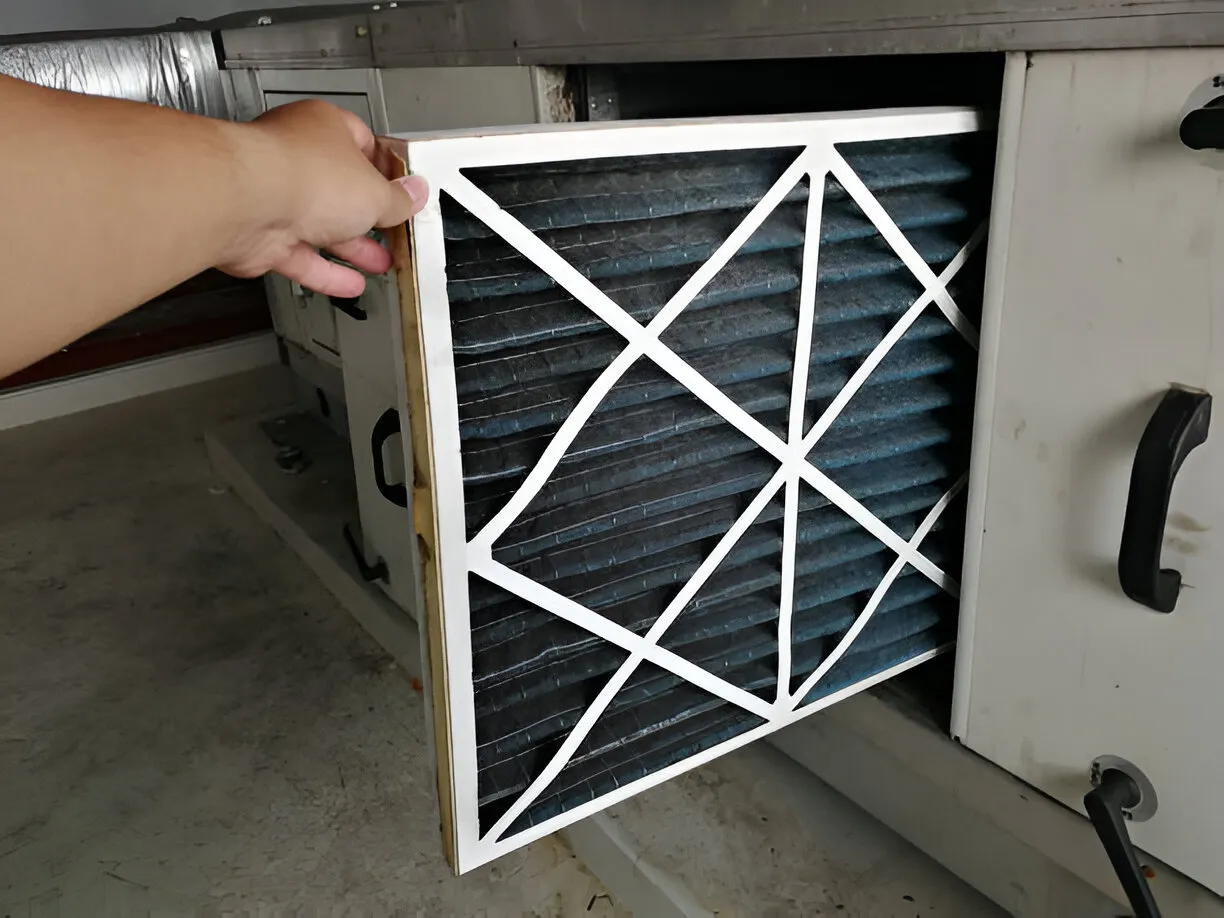
Filters are one of the single most impactful items homeowners can manage between service visits:
- Standard pleated filters: replace every 1 to 3 months for most households; check monthly during heavy use.
- High-efficiency filters (higher MERV rating): may last longer but can restrict airflow if the system is not designed for them; follow manufacturer guidance.
- Washable filters: clean on a regular schedule and inspect for damage.
- Multi-family or high-dust homes (common near campus and busy streets): expect more frequent replacements.
Proper filtration preserves indoor air quality, protects fan motors, and improves system efficiency.
Safety testing and combustion inspection
Safety is the top priority during maintenance. Key safety checks include:
- Carbon monoxide alarm readings and inspection of venting for leaks or blockages
- Heat exchanger inspection for cracks that could allow combustion gases into living spaces
- Gas line and valve checks for leaks and correct operating pressure
- Verification that limit switches and safety shutoffs operate correctly
- Combustion efficiency testing as needed to ensure correct fuel-to-air ratios
These checks reduce the risk of dangerous failures and help maintain manufacturer warranties.
Benefits of a scheduled furnace maintenance plan
A regular maintenance plan tailored for OSU homes offers predictable service and measurable benefits:
- Fewer emergency repairs during peak winter months
- Improved fuel efficiency and lower heating bills; routine tuning can reduce consumption by noticeable percentages depending on the unit condition
- Longer equipment life by minimizing wear on components
- Consistent, safer operation with reduced carbon monoxide risk
- Priority scheduling and documented service history that helps with resale or rental inspections
For landlords and property managers in the OSU area, documented maintenance supports tenant safety and retention.
When to schedule maintenance in OSU, OH
- Best time for a full furnace tune-up: early fall, before the heavy heating season begins. This timing ensures the system is ready for the first cold snaps.
- Mid-winter safety check: if your home experiences heavy use or you manage rental units, a midseason inspection can catch issues early.
- After major storm events or power outages: have the system inspected if you notice strange noises or performance changes.
Simple maintenance tips between professional visits
- Check filters monthly and replace as needed
- Keep the furnace area clear of storage and debris to ensure proper airflow and service access
- Test smoke and CO detectors regularly—replace batteries annually
- Monitor thermostat performance and change batteries if wireless
- Note unusual sounds, odors, or cycling patterns and document when they occur (time of day, outside temperature)
Regular homeowner attention combined with professional inspections maximizes reliability and efficiency.
Hot Deals & Cool Savings

.webp)
New Service Agreement Membership
.webp)
Any New Client Service
Next Service for Referring a New Client
New Service Agreement Membership
Any New Client Service
Next Service for Referring a New Client
.webp)
.webp)

Service Areas
