
Ventilation in Grandview, OH
Ventilation Grandview OH: balanced systems, ERV/HRV options, and retrofit guidance for healthier indoor air.

Ventilation in Grandview, OH
Proper ventilation is one of the most important but often overlooked upgrades you can make for health, comfort, and building durability in Grandview, OH homes. With humid summers, cold winters, and seasonal pollen events, uncontrolled moisture and poor air exchange raise risks of mold, allergens, and indoor pollutant buildup.
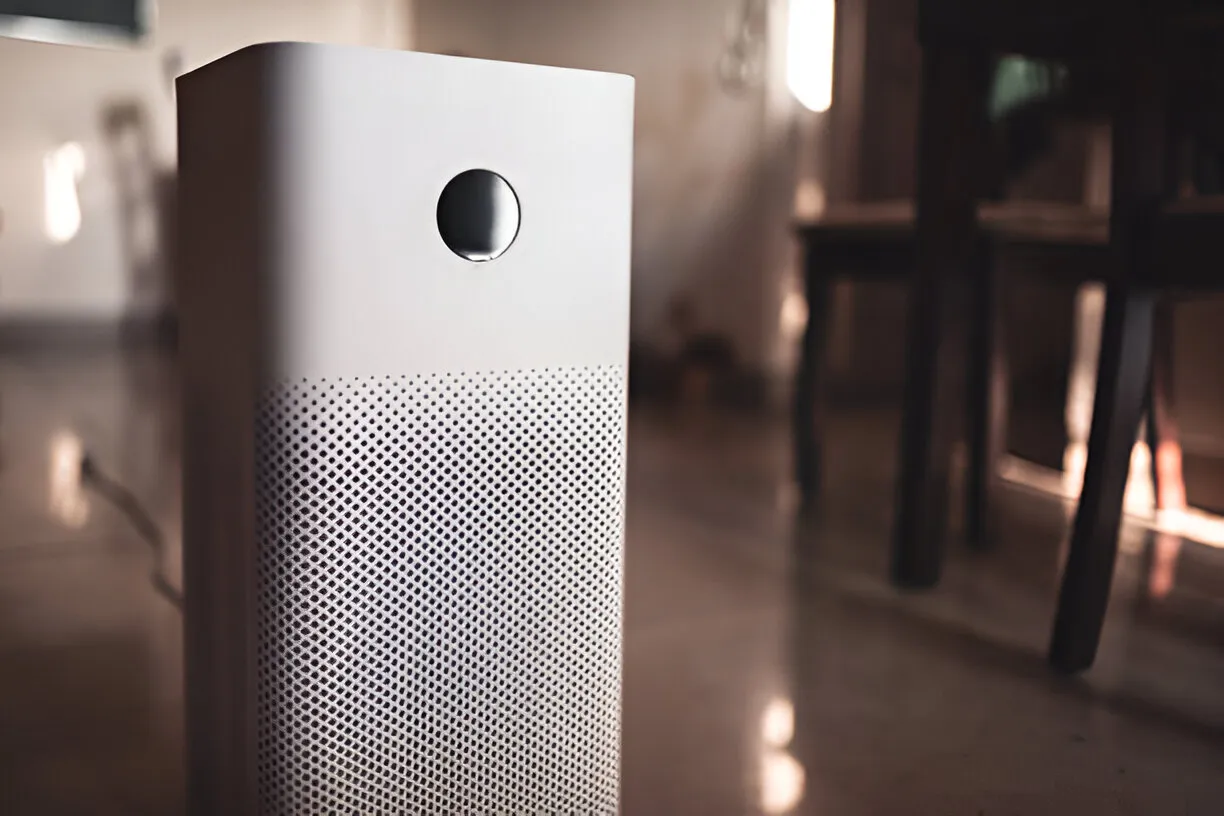
Why ventilation matters in Grandview, OH
- Ohio’s humid summers drive indoor moisture levels up quickly, especially where air conditioning is used and homes are sealed tightly.
- Cold winters create pressure differences and condensation risks when warm indoor air meets cold structures.
- Seasonal pollen and urban pollutants mean intake placement and filtration matter for allergy sufferers.
- Many Grandview homes range from older mid-century construction to tightly built newer infill — each has different ventilation needs and retrofit opportunities.
Proper mechanical ventilation controls humidity and reduces indoor pollutants (VOC, CO2, cooking particulates), improves combustion safety for vented appliances, and protects building assemblies from moisture damage that leads to rot or mold.
Common ventilation problems in Grandview homes
- Excess humidity and condensation in basements, attics, and bathrooms during summer and shoulder seasons.
- Persistent cooking smells and greasy film from inadequate kitchen exhaust.
- Stale air, elevated CO2 or odors in tightly sealed homes after upgrades or insulation work.
- Backdrafting of combustion appliances due to strong exhaust fans or unbalanced systems.
- Inadequate ventilation rates to meet modern standards after airtightening, resulting in poor indoor air quality.
Ventilation system types and when to use them
- Balanced Mechanical Ventilation (recommended for many Grandview homes): Supplies and exhausts equal volumes of air, maintaining neutral pressure and allowing controlled fresh air distribution. Ideal for houses that have been tightened or will be upgraded for energy efficiency.
- ERV (Energy Recovery Ventilator): Transfers both sensible heat and some moisture between incoming and outgoing air. ERVs often suit Grandview’s humid summers because they limit adding excess moisture indoors while recovering energy.
- HRV (Heat Recovery Ventilator): Transfers sensible heat only and is more effective in very cold conditions to retain heat during winter. HRVs are worth considering in homes where winter heat retention is the highest priority.
- Supply-only systems: Bring fresh air in and rely on passive exhaust. Simpler, but can pressurize the home and create backdraft risks.
- Exhaust-only systems: Simple and less expensive, but can depressurize the interior and draw in contaminants from undesired places (attic, crawl spaces, garage).
- Spot ventilation: Dedicated kitchen range hoods and bathroom fan systems sized to clear cooking moisture and odors quickly. Critical for pollutant control and moisture source removal.
Fresh-air intake strategies and placement
- Locate intakes away from vehicle exhaust, neighboring dryer vents, and grass/landscaping that traps pollen and dust.
- Prefer north or east-facing locations with clean air pathways, and keep intakes above grade and away from prevailing pollutant sources like busy streets.
- Use pre-filtration on intakes (MERV-rated filters) to reduce pollen and particulate loads, especially during spring and fall.
Indoor air exchange rates and code considerations
- Modern code and industry guidance reference ASHRAE 62.2 for required ventilation rates based on occupancy and floor area; many professionals use whole-house systems sized to meet that standard.
- Simple rules of thumb are less reliable after airtightening — a professional assessment that measures ventilation needs and balances supply/exhaust is the right approach.
- Local building codes often align with national guidance; permits and inspections may be required for ducted systems and mechanical penetrations.
Assessment and retrofit approach for existing homes
- Inspection and diagnosis: Evaluate current exhaust fans, HVAC integration, combustion appliance venting, moisture sources, and occupant concerns. Use humidity logs and spot CO2 or VOC tests if needed.
- Blower-door and duct leakage testing (recommended): These tests show how tight the building envelope and duct system are and inform system sizing and run times.
- Design: Choose balanced vs. exhaust/supply-based strategy, select ERV vs. HRV based on local humidity and winter performance preferences, and determine duct routing to distribute fresh air to occupied rooms and exhaust from kitchens/baths.
- Installation planning: Identify intake and exhaust locations, integration points with existing HVAC, and controls (timers, humidity sensors, or CO2-based modulation).
- Commissioning: Verify airflow, balance the system, test for backdrafting of combustion appliances, and confirm filtration and drainage (if applicable) work correctly.
Energy recovery and efficiency trade-offs
- Energy recovery units commonly recover a large portion of the heat (sensible recovery) and, in the case of ERVs, some moisture (latent transfer). Recovery efficiency typically falls in a broad range; unit selection and correct installation influence real-world gains.
- ERVs reduce summer latent loads, potentially lowering air conditioning runtime in humid months, while HRVs maximize winter heat recovery.
- Adding any mechanical ventilation increases some fan energy use; however, energy recovered by ERV/HRV often offsets that and reduces heating/cooling load compared with uncompensated ventilation.
- Consider unit controls that modulate based on humidity, CO2, or occupancy to minimize unnecessary runtime and maximize efficiency in Grandview’s variable climate.
Installation and control options
- Ducted balanced systems: Central ERV/HRV with supply branches to bedrooms and living areas and exhaust branches from kitchens and baths provide the best whole-house distribution.
- Dual-port spot systems: Useful when full ductwork is impractical; can provide targeted balanced ventilation for specific zones.
- Integration with HVAC: Fresh air can be ducted to the return side of the furnace or handled independently; both approaches require attention to filtration, pressure control, and defrost strategies.
- Controls: Timers, occupancy sensors, humidity or CO2 sensors allow ventilation to run only when needed. Automatic defrost is essential for HRVs in winter to maintain performance and protect the core.
- Access and maintenance considerations: Install units in accessible indoor locations to simplify filter changes, core cleaning, and seasonal checks.
Benefits for moisture and pollutant control
- Effective ventilation removes moisture at the source (cooking, showers, drying), reducing mold risk in Grandview’s humid months.
- Balanced systems prevent depressurization that can pull combustion gases or soil gases into living areas.
- Proper filtration and controlled fresh air intake reduce pollen and outdoor particulate infiltration, improving comfort for allergy sufferers.
Maintenance and long-term performance
- Core cleaning and filter replacement are critical seasonal tasks; neglect reduces efficiency and IAQ benefits.
- Annual inspection of fans, controls, condensate drainage (if present), and defrost operation preserves performance through Ohio winters and humid summers.
- Re-check system balance after major renovations or HVAC changes.
Choosing the right ventilation strategy for a Grandview, OH home is a balance of moisture control, energy goals, and the building’s existing characteristics. A measured assessment that looks at airtightness, pollutant sources, appliance venting, and occupant needs will point to the best combination of balanced ventilation, ERV/HRV selection, spot ventilation upgrades, and control strategies for reliable indoor air quality year-round.
Hot Deals & Cool Savings

.webp)
New Service Agreement Membership
.webp)
Any New Client Service
Next Service for Referring a New Client
New Service Agreement Membership
Any New Client Service
Next Service for Referring a New Client
.webp)
.webp)

Service Areas
