
Whole House Air Filtration in Grandview, OH
Whole House Air Filtration in Grandview, OH: explore options, installation, and maintenance to improve indoor air quality.

Whole House Air Filtration in Grandview, OH
Keeping indoor air clean in Grandview, OH matters year round. Seasonal tree and grass pollen in spring, ragweed and weed pollen in late summer, humid summers that encourage mold growth, and cold winters that drive long heating cycles all contribute to indoor airborne particles and allergens. Whole house air filtration connects to your furnace or air handler to reduce dust, pollen, pet dander, smoke, and fine particulates throughout your home.
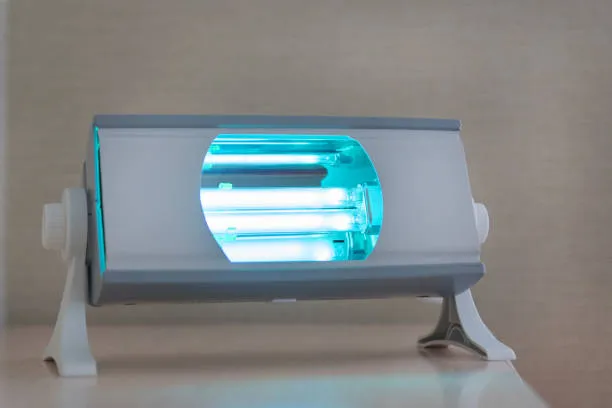
Common whole house air filtration needs in Grandview, OH
- Reducing seasonal pollen and outdoor allergens tracked inside from yards and nearby streets
- Controlling indoor mold spores and mildew during humid months
- Reducing fine particulate matter from traffic and neighborhood wood or gas heating
- Managing pet dander, dust mites, and household particulates for allergy sufferers
- Improving air quality when homes are tightly sealed during cold months
Filtration options and what they do
- Standard pleated filters (MERV 6 to MERV 11): Good for dust, pollen, and larger particles. Common, low-resistance option for most residential furnace systems.
- High-efficiency MERV filters (MERV 12 to MERV 13): Better capture of finer particles including some smoke and smaller allergens. Often recommended when allergy control is a priority.
- HEPA-compatible whole-house solutions: True HEPA captures 99.97 percent of particles down to 0.3 microns. In-duct HEPA requires careful system design because HEPA media creates significant airflow resistance; solutions include dedicated housings, booster fans, or stand-alone whole-house bypass units.
- Electronic/ionizing air cleaners and media-based electronic filters: Can remove fine particles without the same static pressure issues as high-MERV media, but they have different maintenance and performance profiles.
- In-duct upgrades and retrofit housings: Custom filter housings increase the filter surface area, reducing airflow restriction while allowing higher efficiency media.
Understanding MERV ratings (simple explanation)
- MERV ratings measure how effectively a filter removes particles of different sizes. Higher numbers mean finer filtration.
- Typical residential guidance:
- MERV 6 to 8: Basic filtration for dust and pollen
- MERV 9 to 11: Improved allergy control and household particulates
- MERV 12 to 13: Strong reduction in fine particles and many allergens
- MERV 14+ and HEPA: Near-clinical filtration, effective for very small particles and many pathogens, but may require dedicated equipment to avoid impairing airflow
Diagnostic and retrofit process
- System assessment: Inspect furnace or air handler model, blower capacity, existing filter slot or housing size, and duct condition. Measure static pressure and airflow to confirm how much additional resistance the system can tolerate.
- Airflow modeling: Determine whether a high-MERV filter or HEPA add-on will require a larger housing, a booster fan, or a bypass system to maintain adequate airflow and prevent stress on the blower.
- Filter selection: Choose a filter rating that balances particle removal with system compatibility. In many Grandview homes, MERV 11 to MERV 13 is the practical sweet spot.
- Duct and seal improvements: Sealing leaky ducts and ensuring proper register balance improves overall filtration performance and reduces outside pollutant infiltration.
- Installation and baseline testing: Install the new filter or system and perform pre- and post-install air testing when requested to quantify improvements.
Expected improvements and typical results
- Upgrading from a low-efficiency filter to a MERV 11 to 13 filter commonly produces a noticeable reduction in visible dust and allergy symptoms for residents.
- HEPA-level systems remove the highest proportion of very small particles, including many fine particulates from vehicle emissions and wildfire smoke when used correctly.
- Typical measurable reductions vary with system design and home behavior, but many homeowners see substantial drops in airborne particulates and allergen counts after a properly sized whole-house upgrade.
- Indoor air testing (see next section) shows the most accurate before-and-after comparison tailored to a specific Grandview home.
Indoor air testing offerings to demonstrate results
- Particle counts (PM2.5 and PM10): Quantifies fine and coarse particulate concentrations before and after installation.
- Allergen testing: Surface and air sampling for common local allergens such as tree and weed pollens, dust mite antigens, and pet dander.
- Mold spore sampling: Identifies airborne mold levels, which is especially useful after humid periods.
- VOC screening: Optional testing for volatile organic compounds that filtration alone may not remove.
- Test results provide an objective measure of system effectiveness and help refine filter type and replacement schedules.
Compatibility and retrofit considerations for Grandview homes
- Older furnaces with narrow filter slots may require a larger external housing or a high-capacity pleated filter to use higher MERV media safely.
- Homes with smaller blowers or duct systems should avoid high-resistance filters without a dedicated housing or fan upgrade to prevent reduced airflow and potential equipment strain.
- Tight, well-sealed homes achieve the greatest benefit from whole-house filtration because less outdoor air entry means the system can maintain indoor gains longer.
- Local climate factors: humid summers and cold winters in Grandview can increase particulate load and influence how frequently filters load up, so plan replacement intervals accordingly.
Recommended filter replacement and maintenance
- Inspect filters monthly for visible dirt. Replacement frequency depends on filter type and household conditions.
- Basic pleated filters: check monthly; typically replace every 1 to 3 months
- Higher-MERV pleated filters (MERV 11 to 13): commonly replaced every 3 to 6 months in average homes; high-use homes and those with pets may require more frequent changes
- HEPA modules or cartridges: follow manufacturer guidance, often 12 months or based on pressure drop readings
- Homes with pets, smokers, frequent cooking, or renovation work should plan for more frequent filter changes.
- Regular duct inspection and sealing every few years helps maintain efficiency and reduces particulate reintroduction.
Final considerations and long-term benefits
Whole house air filtration in Grandview, OH reduces allergy triggers, limits dust accumulation, improves comfort during high pollen seasons, and helps protect vulnerable residents such as children, seniors, and people with respiratory sensitivities. Proper system assessment, the right filter selection, and regular maintenance are essential to achieving the expected improvements without compromising HVAC performance. Indoor air testing before and after installation provides clear evidence of results and helps optimize your system for local seasonal patterns in Grandview.
Hot Deals & Cool Savings

.webp)
New Service Agreement Membership
.webp)
Any New Client Service
Next Service for Referring a New Client
New Service Agreement Membership
Any New Client Service
Next Service for Referring a New Client
.webp)
.webp)

Service Areas
