
Duct, Duct, Goose: How Clean Ducts Reduce Mold Risk in Your Home

Why Mold and Your HVAC System Are a Dangerous Combination
How proper HVAC maintenance prevents mold growth is something every Central Ohio homeowner should understand — especially during our humid summers when indoor moisture levels can spike fast. Your HVAC system is designed to cool, heat, and dehumidify your home. But when it isn't maintained, it can quietly become the very thing spreading mold spores through every room.
Here's the short answer:
- Control humidity - Keep indoor relative humidity between 30% and 50%
- Change air filters - Replace every 1 to 3 months to prevent moisture buildup and organic dust accumulation
- Flush the condensate drain line - Every 3 months to prevent standing water and algae growth
- Schedule biannual tune-ups - Spring and fall inspections catch coil buildup, leaky ducts, and drainage issues early
- Consider advanced tools - UV germicidal lights and whole-home dehumidifiers add an extra layer of protection
Mold only needs three things to thrive: moisture, darkness, and something organic to feed on. Your ductwork checks all three boxes when maintenance slips. A 2004 study found that roughly 20% of buildings across the US, Canada, and Europe showed signs of dampness — much of it tied to HVAC-related issues that routine maintenance could have prevented.
The good news? Most of this is entirely preventable with the right habits and the right help.
How Proper HVAC Maintenance Prevents Mold Growth: The Science of Moisture Control
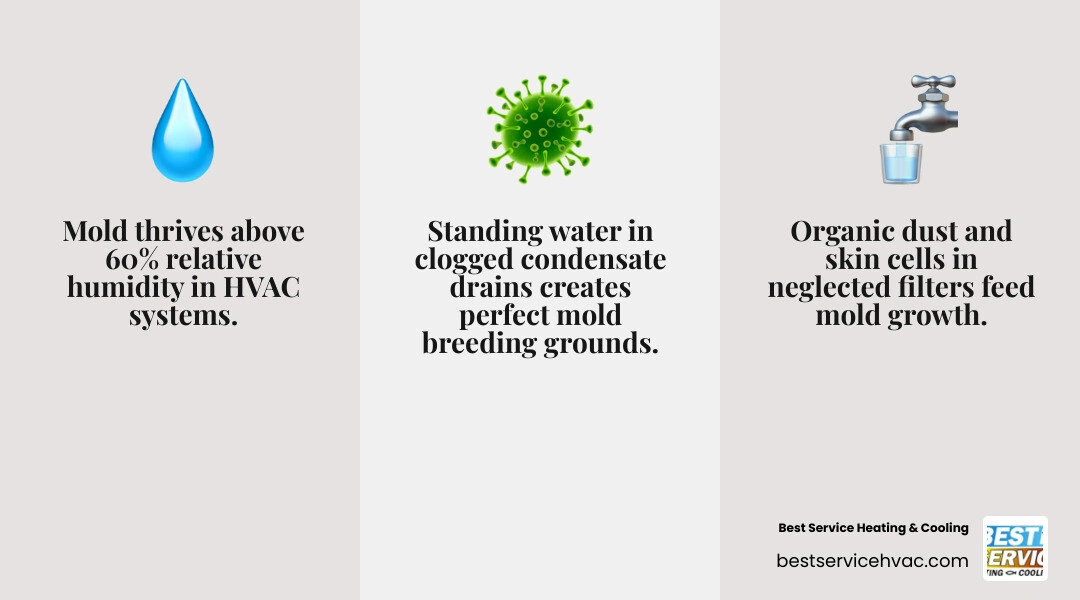
At its core, how proper hvac maintenance prevents mold growth is a matter of physics. Mold is a "sneaky little bugger" that doesn't need much to throw a party in your vents. It primarily flourishes in environments where the relative humidity (RH) stays above 60%. When we perform HVAC Maintenance in Grandview, OH, our primary goal is to ensure the system effectively manages the "60% Rule."
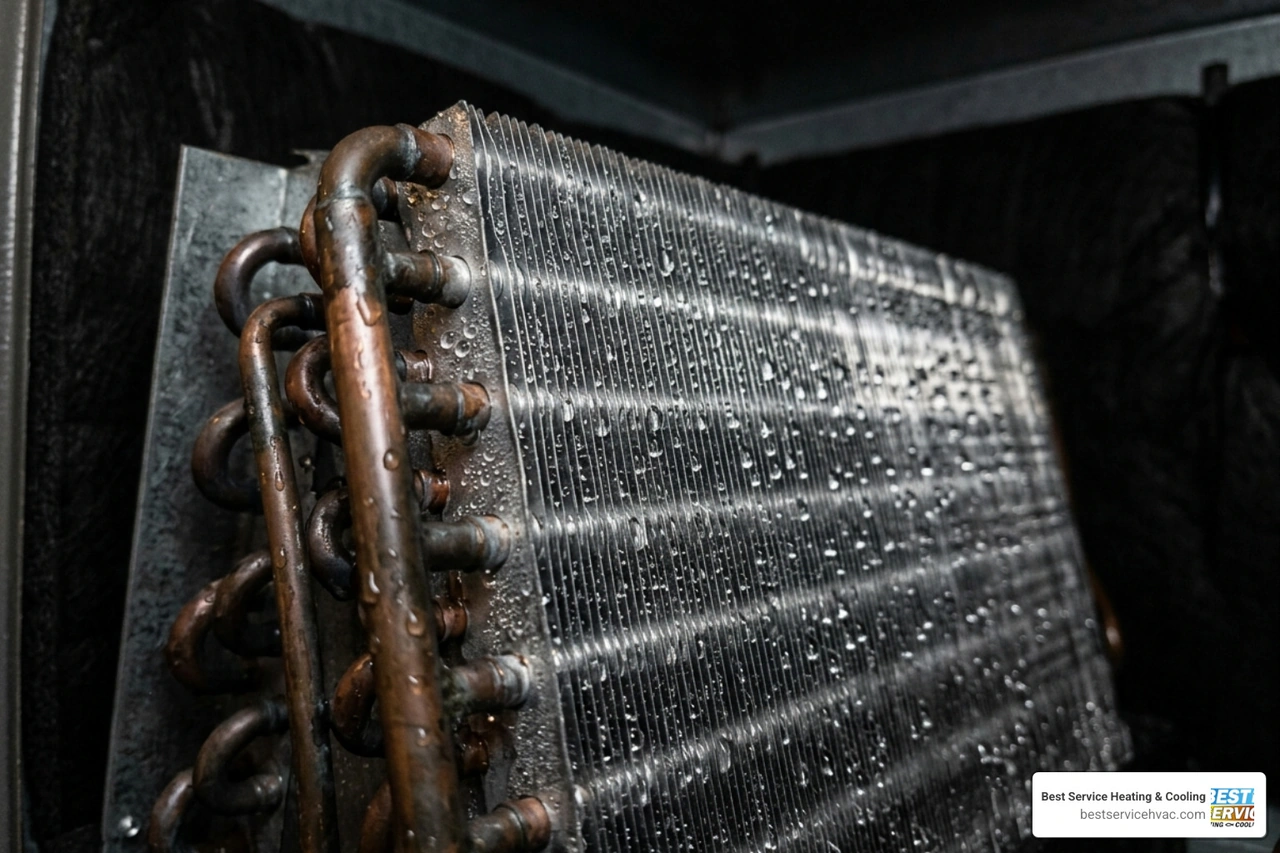
Your air conditioner doesn't just cool the air; it removes moisture. As warm air from your Columbus home passes over the freezing-cold evaporator coil, moisture condenses into liquid water—much like the "sweat" on a glass of sweet tea on a July afternoon. If the system is running efficiently, this water is collected and drained away. However, if the air is stagnant or the system is short-cycling due to poor maintenance, that moisture stays in the unit, creating a petri dish environment.
| Humidity Level | Mold Growth Risk | Impact on Home |
|---|---|---|
| Below 30% | Low | Dry skin, static electricity, respiratory irritation |
| 30% - 50% | Ideal | Maximum comfort, inhibited mold growth |
| 50% - 60% | Moderate | Clammy feeling, dust mite activity increases |
| Above 60% | High | Rapid mold colonization, musty odors, structural damage |
Why HVAC systems become breeding grounds for mold
HVAC systems are often hidden away in dark closets, basements, or attics, providing the perfect low-light environment mold loves. But moisture alone isn't enough; mold also needs food. In a neglected system, organic dust—comprised of skin cells, pet dander, and pollen—accumulates on the coils and inside the ducts. When you combine this "food" with the darkness and the moisture from a humid Ohio summer, you have a recipe for an outbreak. Whether you are scheduling furnace maintenance in Hilltop, OH or checking your AC, keeping these components clean removes the "buffet" mold needs to survive.
How proper hvac maintenance prevents mold growth by managing condensate
The condensate system is the unsung hero of mold prevention. It consists of a drain pan located under the evaporator coil and a line that carries water outside. If the pan isn't properly sloped or the line becomes clogged with algae and "slime," water stands still. Standing water is an open invitation for mold. During a furnace maintenance visit in Amlin, OH, or a standard AC tune-up, we check for proper drainage. Flushing the drain line with a simple vinegar and water solution every few months can prevent the clogs that lead to overflows and hidden mold growth in your air handler.
Critical DIY Tasks for a Mold-Free Home
While professional service is vital, there are several "DIY" steps you can take to keep your air clean. We recommend every homeowner in the Columbus area invest in a hygrometer—a simple tool, usually available for less than $50, that monitors indoor humidity.
To keep your home healthy, you should aim for a humidity range of 30% to 50%. If you notice your windows "sweating" or the air feels clammy even when the AC is running, your humidity is likely too high. Beyond monitoring, ensure that all supply and return vents are unobstructed. Closing vents in unused rooms might seem like an energy-saver, but it actually restricts airflow, which can cause coils to freeze and lead to moisture problems. For those looking for more comprehensive protection, our filtration services in Columbus, OH can help bridge the gap between DIY efforts and professional-grade air quality.
The role of air filters in how proper hvac maintenance prevents mold growth
Changing your air filter is the single easiest and most effective way to prevent mold. When a filter is dirty, it restricts airflow. This restriction causes the evaporator coil to get too cold, often leading to ice buildup. When that ice melts, it frequently overwhelms the drain pan, leading to standing water.
Furthermore, air filters act as the "gatekeeper" for mold spores. We recommend using filters with a MERV rating between 8 and 13. These are efficient enough to trap mold spores and organic dust without putting undue strain on your blower motor. If you haven't changed your filter in over 3 months, it’s no longer a filter—it’s a food source. For residents in areas like Berwick, we often suggest whole house air filtration in Berwick, OH to ensure that the air being pulled into your ducts is as clean as possible.
Professional Services and Advanced Prevention
While homeowners can handle filters, some things require a professional touch. We recommend professional inspections twice a year—once in the spring before the cooling season and once in the fall before the heating season. During these visits, we don't just "check" the system; we perform deep cleaning that prevents mold at the source.
For example, cleaning the evaporator coil is a delicate task that requires specialized chemicals to remove the sticky film of dust that traps moisture. We also inspect your ductwork for leaks. Leaky ducts in unconditioned spaces like attics or crawl spaces can "sweat" when cold air meets the humid Ohio heat, leading to mold growth inside the insulation. If you are in the Hilltop area, our HVAC maintenance in Hilltop, OH includes a thorough check of these critical components to ensure your system isn't working against you.
Advanced technology and how proper hvac maintenance prevents mold growth
For homeowners who want the "gold standard" of protection, there are advanced IAQ products in Reynoldsburg, OH that can be integrated directly into your HVAC system.
- UV Germicidal Lights: These UVC lamps are installed near the evaporator coil. They work by penetrating the cellular walls of mold spores and bacteria, destroying their DNA so they cannot reproduce. It’s like having a 24/7 security guard for your air quality.
- Whole-Home Dehumidifiers: In particularly humid parts of Central Ohio, a standard AC unit might not be enough. A whole-home dehumidifier works alongside your HVAC to pull moisture out of the air even when the cooling cycle isn't running.
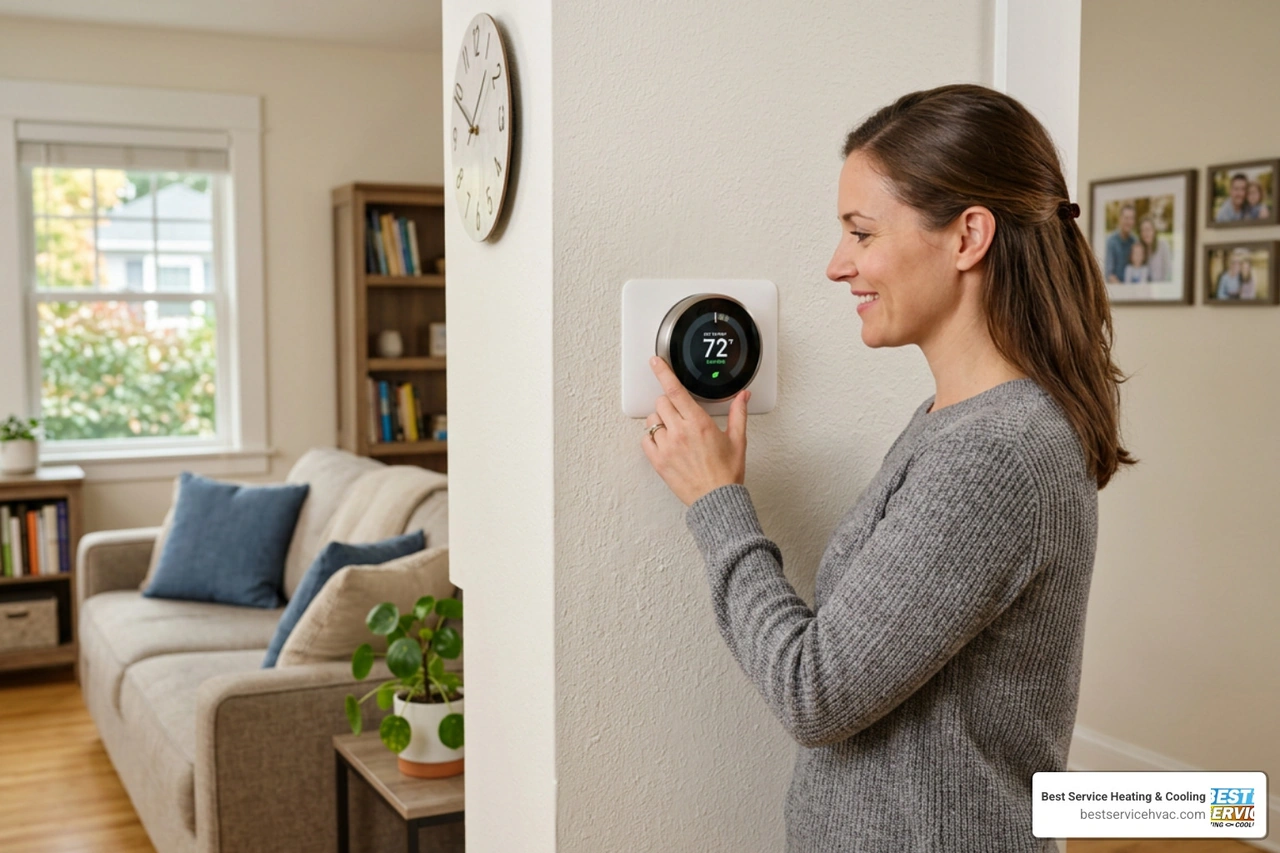
- Smart Humidity Sensors: Modern thermostats can now be programmed to run the system specifically for dehumidification, ensuring your home stays in that safe 30-50% range.
Whether you need whole house air filtration in Worthington, OH or a UV light installation, these technologies act as a proactive defense against the "sneaky bugger" that is mold.
Recognizing the Warning Signs of HVAC Mold
How do you know if mold has already moved in? The most common sign is the "locker room" or musty smell that occurs the moment your AC kicks on. This is often called "Dirty Sock Syndrome," and it's a clear indicator that mold or bacteria is growing on your coils or inside your ducts.
Other signs include:
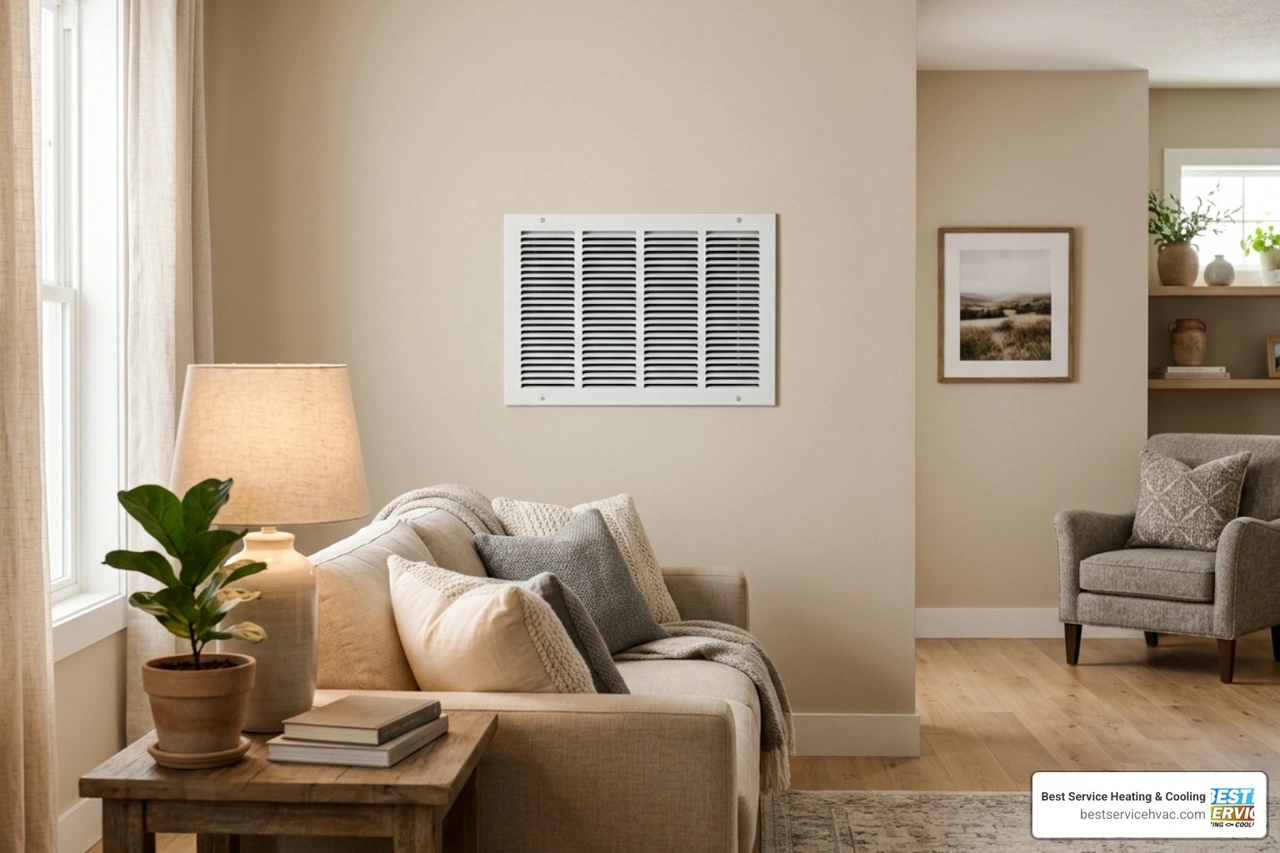
- Visible Spotting: Look at your air registers (the vents on your floors or ceilings). If you see black, green, or brown fuzzy spots, that is likely mold growth.
- Allergy Flare-ups: If you find yourself sneezing, coughing, or having itchy eyes only when you are at home, your HVAC might be recirculating spores.
- Excessive Condensation: If you see water pooling around your indoor unit or moisture dripping from your vents, you have a moisture problem that will lead to mold.
Residents in Baltimore can benefit from whole house air filtration in Baltimore, OH to mitigate these issues. However, if you suspect your ducts are already contaminated, it is worth reading about how regular duct cleaning can benefit your residential or light commercial space. Proper cleaning removes the organic buildup and spores, resetting your home's air quality to a healthy baseline.
Frequently Asked Questions about HVAC Mold
What is the ideal indoor humidity level to prevent mold?
To effectively control mold, the EPA recommends keeping indoor relative humidity between 30% and 50%. Mold begins to flourish once humidity hits 60%. In the Columbus area, our humidity can fluctuate wildly with the seasons, so using a hygrometer or a smart thermostat with a humidity sensor is the best way to stay within this safe range.
How often should professional HVAC inspections occur?
We recommend professional maintenance twice a year. The spring tune-up focuses on the cooling system, ensuring the evaporator coils are clean and the condensate lines are flowing freely for the humid summer months. The fall tune-up focuses on the heating system and overall air quality, ensuring that the dust accumulated over the summer doesn't become a food source for mold during the winter.
What should I do if I suspect mold in my HVAC system?
If you smell that tell-tale musty odor or see visible growth, the first step is to turn off the system to prevent spores from spreading further. Do not attempt to clean large areas of mold (anything over 10 square feet) yourself, as you may accidentally aerosolize the spores. Call a professional for an assessment. We can identify the root cause—whether it's a clogged drain, a leaky duct, or an oversized unit—and provide a permanent solution rather than just a temporary fix.
Conclusion
At Best Service Heating & Cooling, we’ve been helping our neighbors in Columbus, Dublin, Westerville, and across Central Ohio breathe easier since 1992. As a family-owned business with an A+ BBB rating, we know that your home’s comfort is about more than just the temperature—it’s about the health of the air your family breathes every day.
How proper HVAC maintenance prevents mold growth is a combination of moisture control, clean components, and professional vigilance. From simple filter changes to the installation of advanced UV germicidal lights, we are here to ensure your AC doesn't become a "petri dish."
Don't wait for a musty smell to tell you there's a problem. Schedule your professional indoor air quality assessment today and let us help you keep your home mold-free and comfortable all year long.

.webp)
.webp)

Service Areas
