
Hot Water 101: Navigating Water Heater Installation in OSU

Choosing the Right System for Water Heater Installation in OSU OH
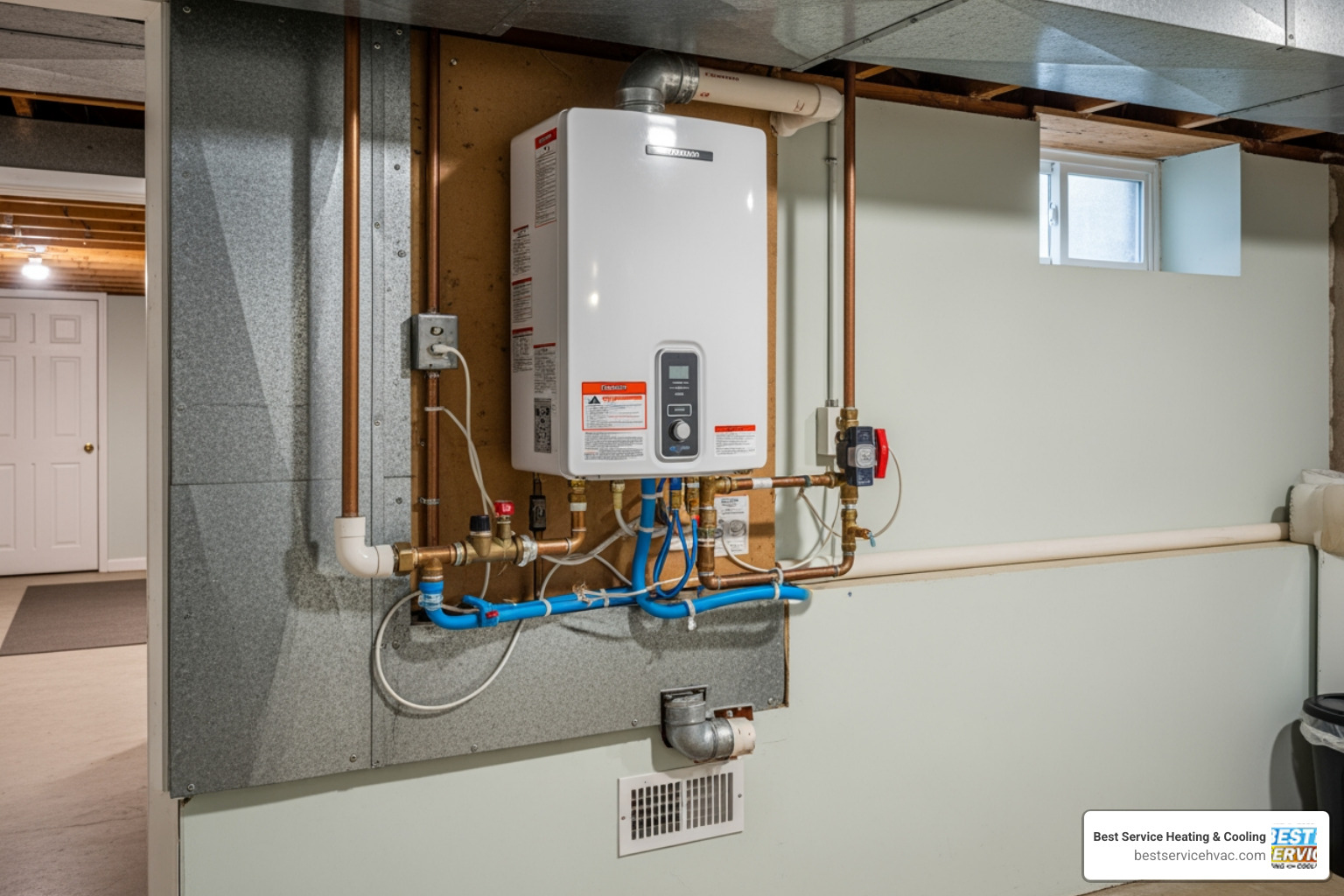
When it comes to water heater installation in OSU OH, there is no "one size fits all" solution. The neighborhood around Ohio State University features a diverse array of housing, from historic homes with narrow basement stairs to modern campus-area apartments. Selecting the right system depends on your fuel source, space availability, and how much hot water your household consumes during those busy morning rushes.
There are several primary types of systems we install for homeowners in the Columbus area:
- Storage Tank Water Heaters: These are the traditional units most of us grew up with. They keep a large volume of water (usually 40 to 50 gallons) heated and ready at all times. They are reliable and generally have a lower upfront cost for the unit itself.
- Tankless Water Heaters: Often called "on-demand" heaters, these units do not store water. Instead, they use high-powered burners or elements to heat water instantly as it flows through the device. They are famous for providing "endless" hot water and taking up very little wall space.
- Hybrid Heat Pump Water Heaters: These innovative systems pull heat from the surrounding air and move it into the water. They are incredibly energy-efficient—often three times more efficient than standard electric models—though they require a bit more physical space and specific temperature conditions to work perfectly.
- Electric Models: Common in areas where gas lines aren't present, these use internal heating elements. While they are simple to install, they can have higher "standby losses" (heat escaping through the tank walls) compared to other types.
- Natural Gas and Propane: These are very popular in Columbus due to their fast "recovery time"—meaning they can heat a fresh tank of cold water much faster than electric versions.
To help you decide, we have put together a quick comparison of the two most common choices for Water Heater Installation in OSU OH.
| Feature | Storage Tank Water Heater | Tankless Water Heater |
|---|---|---|
| Average Lifespan | 8–12 Years | 20–30 Years |
| Hot Water Supply | Limited to tank size | Endless (on-demand) |
| Physical Size | Large (takes up floor space) | Small (wall-mounted) |
| Energy Efficiency | Moderate (standby heat loss) | High (heats only when used) |
| Maintenance | Annual flushing recommended | Annual descaling required |
Determining Capacity for Water Heater Installation in OSU OH
One of the biggest mistakes a homeowner can make is buying a unit that is too small for their needs. If you have three people trying to shower at 7:30 AM while the dishwasher is running, a small tank will leave the last person shivering.
When we help you size a system, we look at several technical factors:
- Peak Demand: This is the maximum amount of hot water your home needs during its busiest hour.
- First-Hour Rating (FHR): For tank units, this number tells us how many gallons of hot water the unit can supply in one hour, starting with a full tank.
- Flow Rate: For tankless units, we measure this in Gallons Per Minute (GPM). We calculate how many fixtures (showers, faucets, appliances) you might run at once to ensure the heater can keep up.
- Recovery Time: This is how fast the heater can warm up a new batch of cold water after the tank has been emptied. Gas heaters generally have a much faster recovery time than electric ones.
Pros and Cons of Different Fuel Sources
Your choice of fuel often depends on what is already available in your OSU home. Our Water Heater Service Areas OSU OH cover a wide variety of utility setups.
- Natural Gas: This is often the most cost-effective way to heat water in Ohio. It provides fast recovery and works even during power outages if you have a standing pilot light or a battery backup for the electronic ignition. However, it requires proper venting to the outside to prevent carbon monoxide buildup.
- Electric Resistance: These units are "plug and play" in many ways. They don't require chimneys or gas lines, making them safer in terms of indoor air quality. The downside is that electricity is often more expensive per unit of energy than gas, and the recovery time is slower.
- Propane: For homes in more rural parts of our service area or those without natural gas access, propane offers the same high-performance benefits as natural gas, though it requires an on-site storage tank.
Sizing and Efficiency: Getting the Most from Your New Unit
In the United States, water heating accounts for approximately 18% of a home's utility bill. That makes it the second-largest energy expense for most households. When you are looking for a Water Heater Replacement OSU OH, focusing on efficiency isn't just good for the planet—it's good for your wallet.
Efficiency is measured by several key metrics:
- Energy Factor (EF): This is the old standard for measuring how much of the energy going into the heater actually ends up in the hot water. The higher the number, the better.
- R-Value: This measures the insulation of the tank. A higher R-value means the tank is better at keeping the water hot, reducing "standby losses." Modern electric heaters might lose about 1.4 kWh of heat per day just sitting there, while older or poorly insulated gas units can lose significantly more.
- Cycling Losses: This is the energy lost as the heater turns on and off to maintain a set temperature.
Energy Efficiency Ratings to Look For
When browsing for a new unit, keep an eye out for the Uniform Energy Factor (UEF). This is the current industry standard that replaced the older EF rating to provide more accurate real-world data. We also highly recommend looking for Energy Star certified products. These units meet strict efficiency guidelines set by the U.S. Environmental Protection Agency.
If you are looking to maximize savings, consider Heat Pump technology. While a standard electric heater has an efficiency of about 0.95, a heat pump water heater can have an efficiency rating of 2.0 or even 3.0 because it moves heat rather than creating it. For homes with boilers, upgrading to a high-efficiency boiler for both home heating and "indirect" water heating can reduce costs by 20% to 30%. Regular maintenance, like an HVAC Tune-Up OSU OH, ensures your overall home energy systems are working in harmony with your water heater.
Strategies to Reduce Hot Water Energy Costs
Even after a professional installation, there are small steps you can take to keep your bills low. Our team often suggests these upgrades during a standard HVAC Service OSU OH call:
- Pipe Insulation: Insulating the first few feet of hot and cold water pipes can reduce heat loss as water travels to your faucet.
- Low-Flow Fixtures: Installing efficient showerheads and aerators can reduce hot water usage by 25% to 60%.
- Temperature Set-Points: Most manufacturers set water heaters to 140°F, but for most households, 120°F is plenty hot and much safer for preventing scalds.
- Drain-Water Heat Recovery: These systems can capture the heat from the water going down your shower drain and use it to pre-heat the cold water entering your water heater.
The Professional Installation Process and Local Requirements
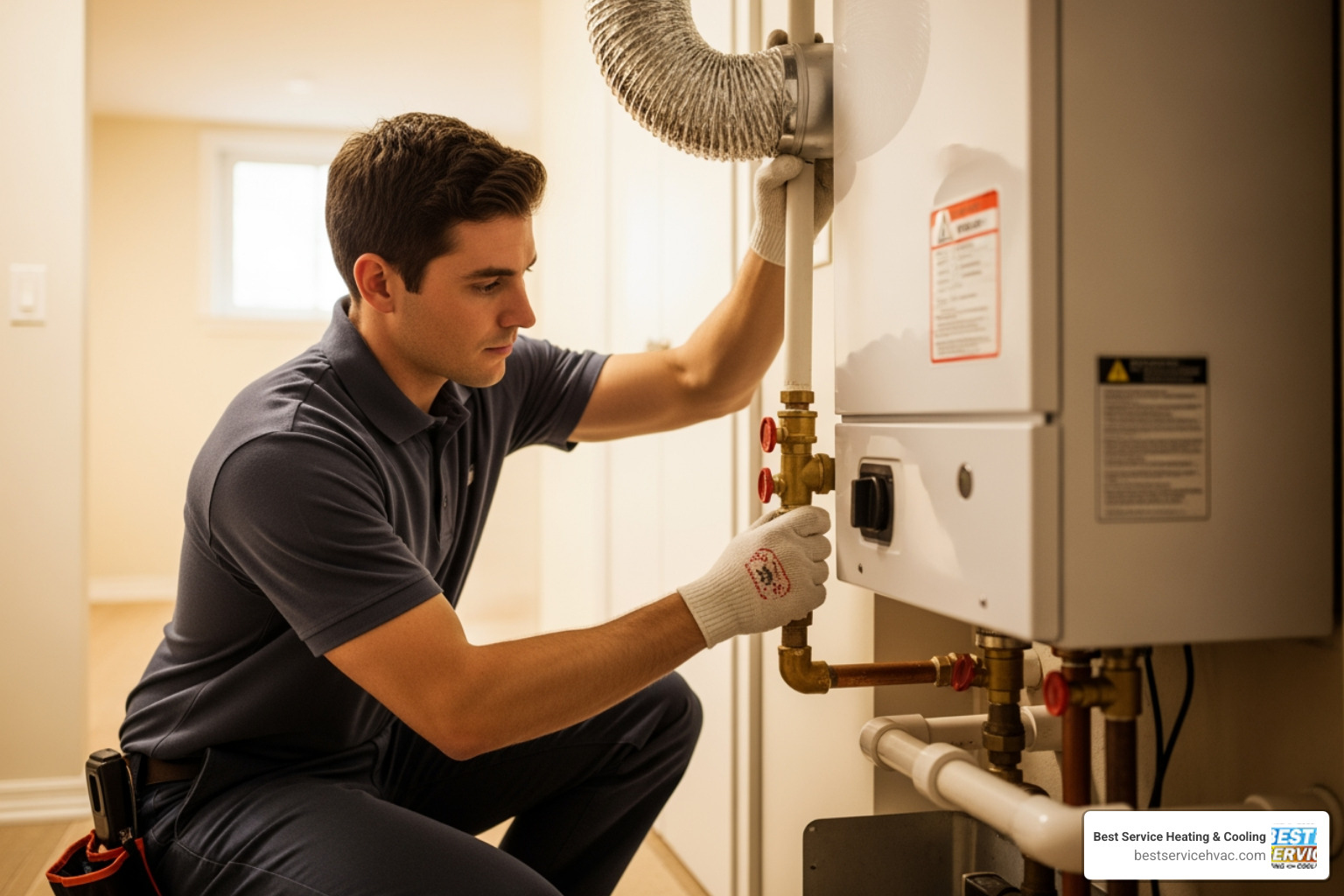
While the DIY spirit is strong in Columbus, water heater installation in OSU OH is a job strictly for the pros. This isn't just about convenience; it's about safety, legality, and protecting your investment.
In Columbus and the surrounding Franklin County area, a water heater replacement typically requires a building permit. This ensures that a third-party inspector verifies the work meets the Ohio Plumbing Code. When you work with us, we handle the "heavy lifting"—from pulling the necessary permits to ensuring the unit is perfectly level and safely vented.
Why Professional Expertise Matters for Water Heater Installation in OSU OH
The risks of a "handyman" or DIY installation are significant:
- Carbon Monoxide Risks: Gas water heaters must be vented perfectly. If the "draft" isn't right, deadly carbon monoxide can backdraft into your living space.
- Gas Leaks: Working with gas lines requires specialized tools and leak-detection equipment. One loose fitting can create a major fire hazard.
- Water Damage: A tank holds 40 to 80 gallons of water. If a connection fails while you are at work, it can cause thousands of dollars in property damage.
- Warranty Preservation: Most manufacturers will void your warranty if the unit wasn't installed by a licensed professional.
- Precise Tuning: Professionals ensure the gas pressure is correct and the thermal expansion tank (required by many local codes) is pressurized properly to prevent stress on your plumbing.
What to Expect During the Installation Timeline
A standard water heater installation or replacement usually takes about 2 to 3 hours. Here is how we typically spend that time:
- Preparation: We protect your floors with drop cloths and shut off the water and fuel supplies.
- System Drainage: We spend 45 to 60 minutes safely draining the old tank and disconnecting it.
- Old Unit Removal: We haul away your old, heavy unit so you don't have to worry about disposal.
- New Unit Placement: We position the new heater, ensuring proper clearance from walls and flammable materials.
- Connections & Safety: We hook up the water lines, gas/electric lines, and the venting system. We also install a new temperature and pressure (T&P) relief valve.
- Testing: We fill the tank, check for leaks, test the gas pressure, and verify that the exhaust is venting correctly.
- Walkthrough: We show you how to operate the unit and where the shut-off valves are located.
Signs It’s Time for a Replacement and Post-Install Care
How do you know if you need a new unit or just a simple repair? Most water heaters last between 8 and 12 years. If yours is in that age bracket, it’s a good idea to start shopping before an emergency happens.
Watch for these "red flags":
- Rusty Water: This often indicates the inside of the tank is corroding.
- Rumbling Noises: This is usually caused by sediment buildup at the bottom of the tank. The water gets trapped under the sediment, boils, and "pops," which can eventually crack the tank.
- Frequent Repairs: If you're calling us every few months for a pilot light issue or a faulty thermostat, the costs will quickly outweigh the price of a new, efficient unit.
- Inconsistent Temperatures: If your showers are going from hot to cold without warning, the heating elements or burners are likely failing.
Maintenance Tips for Longevity
Once your new unit is in place, a little TLC goes a long way. To ensure your heater reaches that 12-year (or 20-year for tankless) milestone, we recommend:
- Sediment Flushing: Once a year, attach a garden hose to the drain valve and flush out the sediment. This keeps the heater quiet and efficient.
- Anode Rod Inspection: This "sacrificial" rod hangs inside the tank and attracts corrosive elements so the tank doesn't rust. Checking it every 2-3 years and replacing it when spent can double the life of your heater.
- Pressure Relief Valve: Periodically "trip" the T&P valve to ensure it hasn't become stuck with mineral deposits.
- Annual Professional Check-ups: Having a pro look at the venting, gas connections, and overall performance once a year provides peace of mind.
Impact of Proper Installation on Home Safety
A water heater is essentially a pressurized vessel. If the safety features are bypassed or installed incorrectly, the results can be catastrophic. Proper installation includes:
- Explosion Prevention: Ensuring the T&P valve is correctly piped to a safe discharge point.
- Leak Detection: Installing a drain pan under the unit to catch small drips before they rot your subfloor.
- Proper Clearance: Keeping flammable items away from the burner assembly.
- Electrical Grounding: Ensuring electric units are properly wired to prevent shocks or fires.
Frequently Asked Questions about OSU Water Heaters
How long does a standard water heater last?
The average lifespan of a traditional tank water heater is 8 to 12 years. However, this depends heavily on your water quality (hard water causes faster wear) and whether you perform regular maintenance like flushing the tank. Tankless units are much more durable, often lasting 20 to 30 years because they don't hold standing water that causes corrosion.
Can I switch from an electric to a gas water heater?
Yes, but it is a complex process. It involves running a new gas line to the location, installing a venting system through the roof or a side wall, and potentially modifying your electrical panel. We coordinate all of this for you, ensuring that the transition is safe and meets all Columbus building codes.
What are the benefits of a tankless water heater?
The primary benefit is endless hot water. You can take a 30-minute shower while someone else runs the laundry, and the water will never get cold. They also save a significant amount of space, often freeing up an entire closet. While they have a higher initial cost, their 20+ year lifespan and energy efficiency often make them a better long-term investment.
Conclusion
At Best Service Heating & Cooling, we understand that your home is your sanctuary. Since 1992, our family-owned business has been dedicated to keeping Columbus families comfortable with reliable, affordable, and high-quality HVAC and plumbing services. Whether you are a student living near campus or a long-time resident in the OSU area, we treat every water heater installation in OSU OH with the same care and integrity we would show in our own homes.
Don't wait for a basement flood or a freezing shower to take action. From choosing the right energy-efficient model to ensuring a safe, code-compliant installation, we are here to help you every step of the way.
Ready to upgrade your home comfort? Schedule your water heater service with our A+ BBB-rated team today and experience the difference that "Best Service" truly makes.
.webp)
.webp)

Service Areas
