
A Comprehensive Guide to Efficiency Ratings for Homeowners

Why Efficiency Ratings Explained for Homeowners Can Save You Real Money
Understanding efficiency ratings explained for homeowners is one of the fastest ways to take control of your monthly energy bills — especially here in Central Ohio, where summers get humid and winters get cold.
Here is a quick-reference breakdown of the most common home efficiency ratings:
| Rating | What It Measures | Good Benchmark (2026) |
|---|---|---|
| SEER2 | Central AC cooling efficiency | 15–17+ |
| AFUE | Furnace fuel-to-heat conversion | 90%+ |
| HSPF2 | Heat pump heating efficiency | 8.8+ |
| HERS Index | Whole-home energy performance | Below 70 |
| ENERGY STAR | Appliance/building efficiency tier | Certified = top 10–20% |
| Home Energy Score | DOE whole-home rating (1–10) | 7 or higher |
These numbers are printed on labels, listed in equipment specs, and referenced by contractors every day — but most homeowners have never had them explained in plain English.
That gap matters. Over 85% of American homes depend on HVAC equipment for comfort, and the average household spends around $2,000 per year on energy, with roughly half of that going directly to heating and cooling. Choosing a system with the right efficiency rating — and making sure it is properly installed and maintained — can meaningfully reduce that number year after year.
This guide breaks down every major rating you are likely to encounter, what the numbers actually mean, and how they translate into real savings for your home in Columbus and the surrounding communities.

What Are Energy-Efficiency Ratings and Why Do They Matter?
At its core, an energy-efficiency rating is a standardized measurement of how effectively a system or appliance converts fuel or electricity into useful performance. For example, when you run a furnace, some of the energy in the natural gas is turned into warm air for your living room, while a portion is lost as exhaust. An efficiency rating tells you exactly what percentage of that energy actually benefits your household.
But why should Central Ohio homeowners care about these numbers?
First, they directly impact your monthly utility bills. Choosing high-efficiency systems ensures you are not wasting electricity or natural gas. Second, these ratings have a major impact on property values. According to real estate studies, residential properties with a verified efficiency rating sell for an average of 2.7% more than those without one. Furthermore, homes with high-performance green certifications can enjoy a 3% to 5% premium in selling price.
When it comes time to upgrade your heating and cooling equipment, understanding how to compare ratings is key to making a smart investment. To see how standard equipment stacks up against premium systems in terms of performance and long-term costs, you can explore our Standard vs High Efficiency HVAC Comparison.
Decoding HVAC Metrics: Efficiency Ratings Explained for Homeowners
Navigating heating and cooling metrics can feel like reading alphabet soup. Between SEER2, EER2, AFUE, and HSPF2, it is easy to get overwhelmed.
To make matters more complicated, the U.S. Department of Energy updated its testing standards to the "M1" protocol. This change introduced the "2" suffix to several ratings (like SEER2 and HSPF2) to better reflect real-world operating conditions, particularly the static pressure found in typical home ductwork.
Because Ohio sits in the northern federal climate region, we operate under specific minimum standards. Here is how the primary HVAC benchmarks compare in 2026:
| Rating Metric | What It Represents | Federal Minimum (North Region) | Recommended High-Efficiency Range |
|---|---|---|---|
| SEER2 | Seasonal cooling efficiency | 13.4 | 15.0 to 17.0+ |
| EER2 | Peak-load cooling efficiency | 11.7 (Southwest only; optional in North) | 12.0+ |
| AFUE | Gas furnace heating efficiency | 90% | 95% to 98.5% |
| HSPF2 | Heat pump heating efficiency | 7.5 | 8.8+ |
Cooling Performance: SEER2 and EER2 Efficiency Ratings Explained for Homeowners
When you are shopping for a central air conditioner or heat pump, the most prominent number on the yellow EnergyGuide label is the Seasonal Energy Efficiency Ratio 2 (SEER2).
SEER2 measures the cooling output of an air conditioner over a typical cooling season, divided by the total electric energy input during that same time frame. Think of it like a car's highway mileage rating: it represents an average of how the system performs across a variety of mild and hot summer days.
To put this into perspective, upgrading from a legacy SEER 9 system (common in homes built in the 1990s or early 2000s) to a modern SEER 14 system can reduce your cooling energy consumption by more than 35%. If your average summer cooling bill is $200 per month, that upgrade alone can save you $70 monthly.
While SEER2 is a seasonal average, Energy Efficiency Ratio 2 (EER2) measures peak efficiency. EER2 is calculated using a strict set of conditions: an outdoor temperature of 95°F, an indoor temperature of 80°F, and 50% relative humidity. If you want to know how efficiently your AC will run on the hottest, most humid July afternoon in Columbus, look at the EER2.
To maximize these ratings, modern systems utilize different compressor technologies:
- Single-Stage: Runs at 100% capacity whenever it is on. It is reliable but less efficient because it cycles on and off frequently.
- Two-Stage: Can run at a lower capacity (usually around 65%) on mild days and ramps up to 100% only when extreme heat demands it.
- Variable-Speed (Inverter): Modulates continuously between 40% and 100% capacity. It runs for longer, quieter cycles at very low power, providing the highest possible SEER2 ratings and superior humidity control.
For most homeowners in our Central Ohio service areas, a system rated between 15 and 17 SEER2 represents the "sweet spot" of upfront value and long-term utility savings.
Heating Performance: AFUE and HSPF2 Efficiency Ratings Explained for Homeowners
When winter arrives in Central Ohio, heating efficiency becomes our top priority. We measure heating performance using two distinct ratings depending on whether you heat your home with a gas furnace or an electric heat pump.
Annual Fuel Utilization Efficiency (AFUE) is the standard metric for gas- and oil-fired furnaces. Expressed as a percentage, AFUE tells you how much of the fuel burned by your furnace is converted directly into usable heat for your home.
For example, an older furnace with an 80% AFUE rating converts 80 cents of every dollar spent on natural gas into heat, while the remaining 20 cents escapes through the chimney flue. Modern high-efficiency condensing furnaces achieve AFUE ratings between 90% and 98.5% by using a secondary heat exchanger to extract heat from exhaust gases before they leave the home. These systems vent through PVC pipes rather than metal chimneys. Upgrading an older furnace from 56% AFUE to 90% AFUE can save natural gas users up to 1.5 tons of CO2 emissions per year, drastically reducing both your carbon footprint and your winter heating bills.
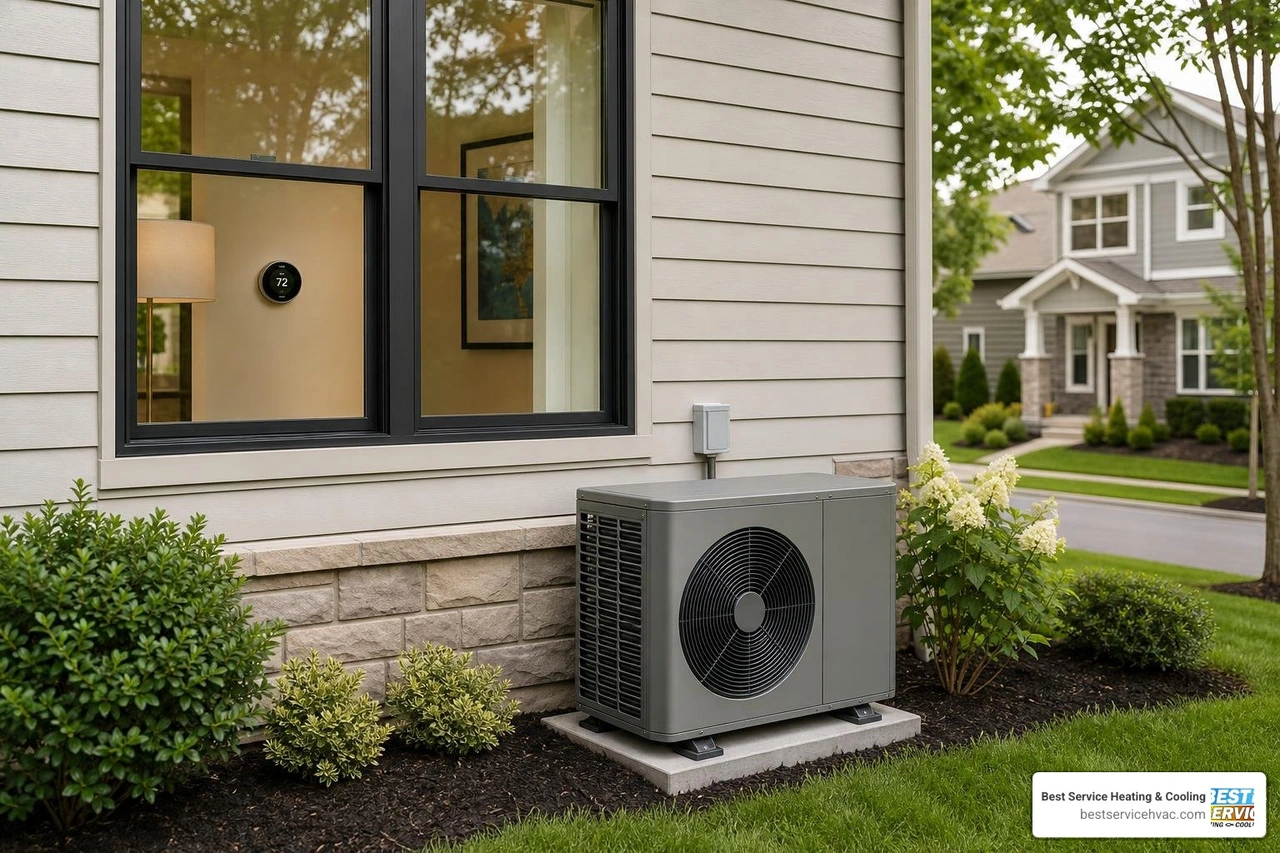
For electric heat pumps, heating efficiency is measured by the Heating Seasonal Performance Factor 2 (HSPF2). Similar to SEER2, HSPF2 calculates the total heating output of a heat pump over the entire winter season relative to the electricity it consumes.
In 2026, the federal minimum standard for a new split-system heat pump is 7.5 HSPF2. High-efficiency heat pumps feature HSPF2 ratings of 8.8 or higher.
To understand the raw, instantaneous efficiency of a heat pump, engineers look at the Coefficient of Performance (COP). COP measures how many units of heat energy a system moves for every single unit of electricity it consumes. Because heat pumps transfer existing outdoor heat rather than creating it through combustion or electric resistance, they routinely achieve COPs between 3.0 and 5.0. This means they operate at 300% to 500% efficiency, making them incredibly cost-effective option even in colder climates.
Whole-Home and Building Envelope Certifications
While having efficient HVAC equipment is essential, those systems do not operate in a vacuum. Your home's "building envelope" — which includes your insulation, windows, doors, foundation, and roof — acts as a barrier that keeps conditioned air inside and outdoor elements out.
If your home has poor insulation or leaky windows, even a top-of-the-line, high-SEER2 air conditioner will struggle to keep you comfortable. When evaluating windows, pay attention to the National Fenestration Rating Council (NFRC) label, focusing on two key metrics:
- U-Factor: Measures the rate of heat loss. A lower U-factor (ideally 0.30 or lower) means the window is better at keeping heat inside during the winter.
- Solar Heat Gain Coefficient (SHGC): Measures how much solar radiation passes through the glass. In Ohio, a moderate SHGC is preferred to block harsh summer sun while still allowing some natural warmth inside during the winter.
The HERS Index
The Home Energy Rating System (HERS) Index is the industry standard for measuring a home's overall, whole-building energy performance. Developed by the Residential Energy Services Network (RESNET), a HERS rating is like a golf score: the lower the number, the more efficient the home.
The HERS Index uses a baseline score of 100, which represents a standard home built to 2006 energy codes.
- A home scoring 100 is the baseline.
- A home with a HERS rating of 70 is 30% more energy-efficient than the baseline standard.
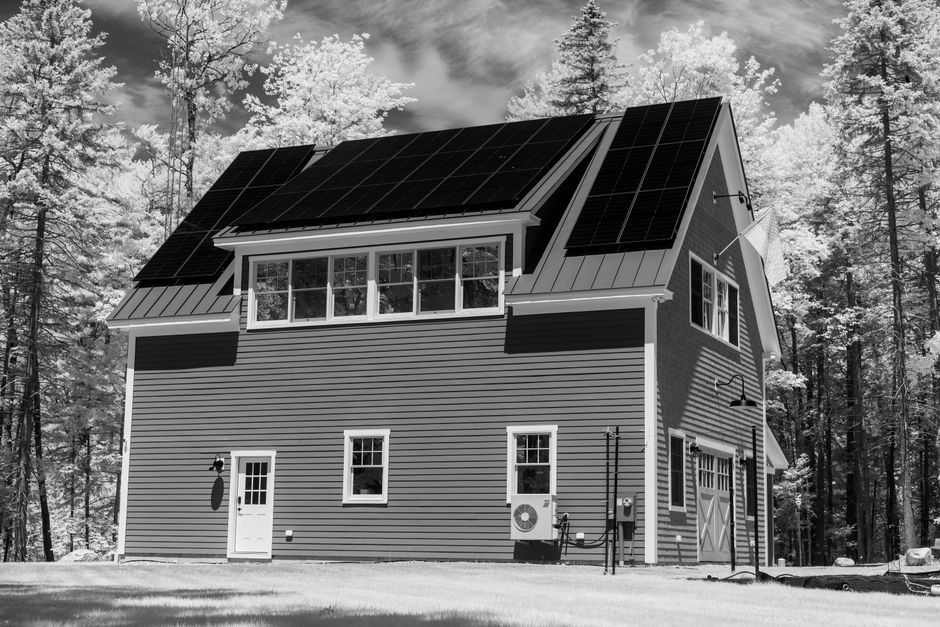
- A score of 0 represents a "Net-Zero Energy" home, which produces as much energy as it consumes over the course of a year (typically through solar panels).
During a HERS assessment, a certified rater performs a comprehensive physical inspection, including a blower door test to measure air leakage and duct-blaster testing to check for ventilation leaks.
ENERGY STAR, LEED, and NGBS Certifications
Beyond individual equipment ratings, several national certification programs recognize whole-home environmental and energy performance:
- ENERGY STAR: Run by the EPA, this certification is awarded to homes and appliances that meet strict energy efficiency guidelines. ENERGY STAR certified homes are at least 10% more efficient than standard builds (averaging a 20% improvement). For appliances, the label ensures top-tier performance. For example, ENERGY STAR certified heat pump water heaters boast Uniform Energy Factor (UEF) ratings of 3.3 to 4.1, meaning they are 330% to 410% efficient. This upgrade can save a family of four over $550 a year compared to a standard electric water heater.
- LEED (Leadership in Energy and Environmental Design): A globally recognized green building certification. Homes are rated on a point system across categories like water efficiency, indoor environmental quality, and materials. Achieving LEED Platinum — the highest tier — requires scoring over 80 points.
- NGBS (National Green Building Standard): An ANSI-approved green building certification system that rates residential projects on six categories, including resource efficiency and indoor air quality. To move up the NGBS tiers (Bronze, Silver, Gold, Emerald), a home must demonstrate verified improvements across all six categories simultaneously.
Real-World Factors That Impact Your Actual Energy Savings
It is incredibly important to remember that efficiency ratings are "potential" ratings. They represent how a system performs under perfect laboratory conditions. In the real world, several factors dictate whether your equipment actually achieves those numbers.
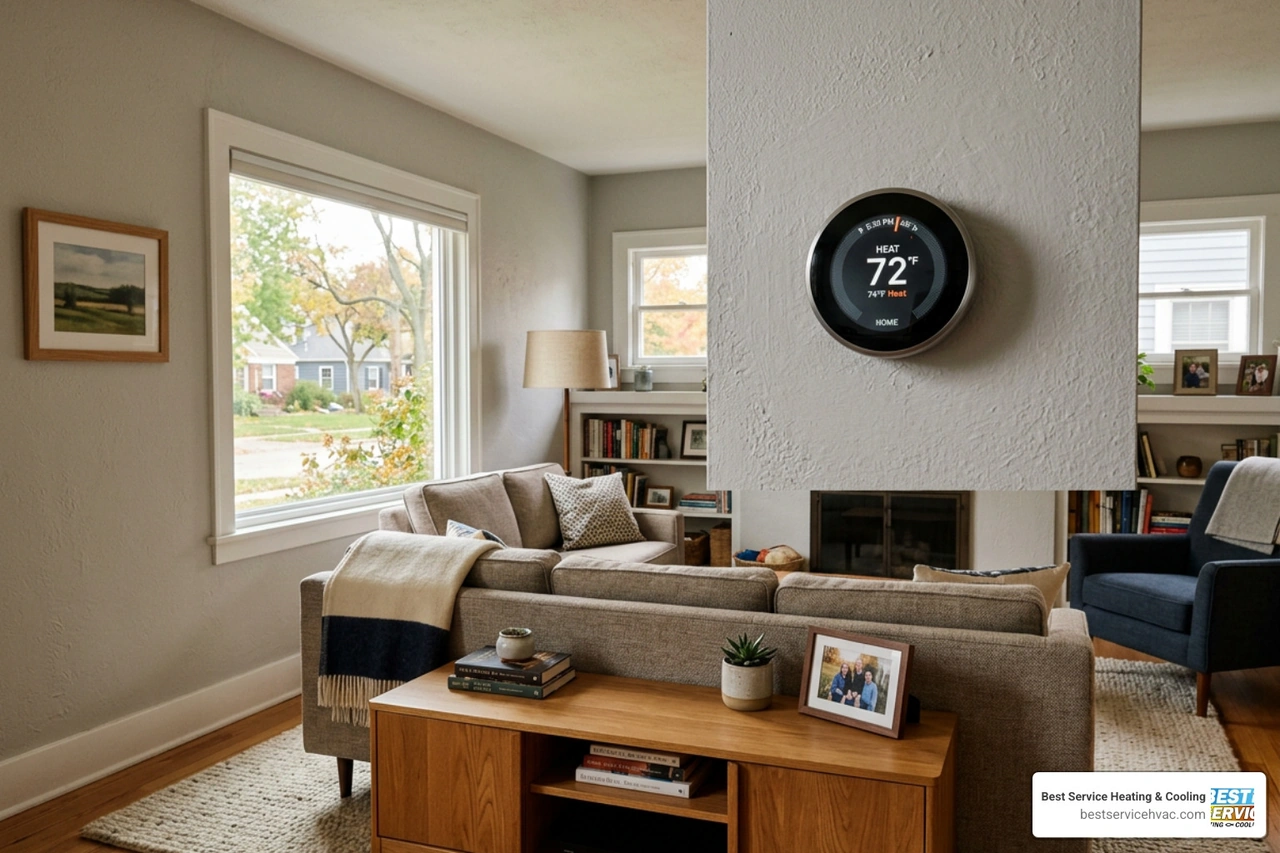
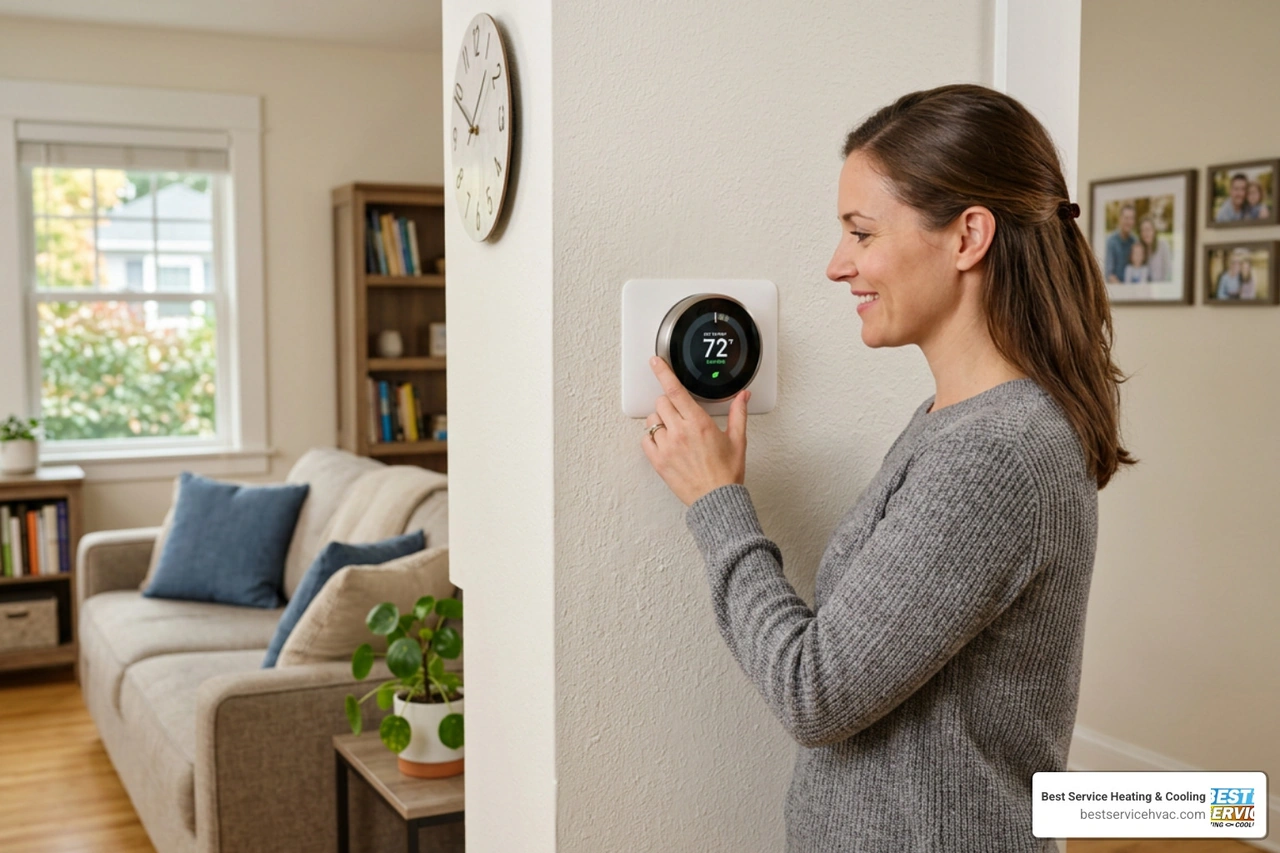
Simple daily habits play a huge role. For instance, adjusting your thermostat settings when you are away can have a major impact. According to the Department of Energy, setting back your thermostat by 7 to 10 degrees during 8-hour absences can save you about 10% annually on heating and cooling costs.
Additionally, something as simple as air filter cleanliness cannot be ignored. A dirty, clogged air filter restricts airflow, forcing your blower motor to work harder and consume more electricity. Over time, restricted airflow can cause a cooling system's coils to freeze or a furnace to overheat and shut down. Replacing your air filters every 60 to 90 days keeps your system running at peak efficiency.
Sizing and Installation Quality
When it comes to HVAC efficiency, bigger is definitely not better. If an air conditioner is oversized for a home, it will cool the space down too quickly without running long enough to remove moisture from the air. This process, known as "short cycling," leaves your home feeling cold and clammy, puts excessive wear and tear on electrical components, and destroys the system's operating efficiency.
To prevent this, qualified HVAC professionals perform an ACCA Manual J load calculation. This scientific assessment takes into account your home's total square footage, window orientations, insulation values, local design temperatures, and ceiling heights to determine the exact BTU capacity your home requires.
Equally important is installation quality. A high-efficiency system that is poorly installed, undercharged with refrigerant, or paired with incompatible indoor equipment will perform no better than a budget-tier unit. To understand how proper system design directly impacts your daily life, read our guide on How Proper HVAC Sizing Affects Comfort and Efficiency.
Maintenance and Ductwork Integrity
Your ductwork is the circulatory system of your home. In a typical residential property, up to 30% of the conditioned air moving through the ventilation system is lost to duct leakage, unsealed joints, and uninsulated runs in attics or crawlspaces. This air loss forces your heating and cooling equipment to run longer and work harder to maintain your desired thermostat settings.
Ensuring your duct system is sealed with mastic and properly insulated is crucial to maintaining low static air pressure and high system efficiency.
Beyond ductwork, regular professional maintenance is the single best way to protect your investment. During a professional tune-up, technicians perform critical tasks like cleaning the outdoor condenser coils (just 1/16 inch of dust buildup on a coil can drop cooling efficiency by 21 percent), verifying refrigerant levels, checking electrical connections, and cleaning flame sensors.
To learn more about keeping your system in top shape, check out our articles on the Benefits of Regular Furnace and AC Tune-ups and find out How Often Should You Service Your HVAC.
Frequently Asked Questions about Home Efficiency
How do I check the energy-efficiency rating of my current HVAC system?
The easiest way to check your system's efficiency is to locate the yellow EnergyGuide label, which is typically affixed to the side of your outdoor air conditioner or the cabinet of your furnace.
If that label is missing or has faded over time, look for the manufacturer's nameplate on the unit to find the model number and serial number. You can enter this model number into the AHRI (Air-Conditioning, Heating, and Refrigeration Institute) Directory online, or call your original installer to look up the certified ratings for your specific system configuration.
Are there tax credits or rebates available in 2026 for high-efficiency upgrades?
Yes! Under the federal Energy Efficient Home Improvement Credit (Section 25C), homeowners can claim significant tax credits for qualifying high-efficiency upgrades. You can receive a tax credit of up to $2,000 annually for installing a certified air-source heat pump or heat pump water heater. High-efficiency central ACs and natural gas furnaces can qualify for credits up to $600.
Additionally, local electric and natural gas utilities in Central Ohio offer instant rebates for qualifying equipment upgrades. To learn how to combine these incentives for maximum savings, read our detailed guide on Ohio Energy Rebates for HVAC Upgrades.
Does a higher SEER2 rating always guarantee lower utility bills?
While a higher SEER2 rating indicates a more efficient system, it does not automatically guarantee lower utility bills. If your home has severe duct leaks, poor attic insulation, or if the system was sized incorrectly, your actual energy savings will fall short of the rated efficiency.
Furthermore, the payback period for ultra-high-efficiency equipment (such as 20+ SEER2 systems) is much shorter in extremely hot climates like Texas or Arizona than it is in Ohio, where our cooling season is relatively short. For most Columbus homeowners, investing in a mid-to-high-tier system (15 to 17 SEER2) paired with proper home air sealing and insulation yields the best overall return on investment.
Conclusion
Understanding efficiency ratings explained for homeowners is the key to making smart, cost-effective decisions for your home's comfort and long-term value. Whether you are upgrading your central air conditioning, installing a high-efficiency heat pump, or replacing an aging gas furnace, paying attention to SEER2, AFUE, and HSPF2 ratings will save you money on your monthly energy bills and lower your carbon footprint.
At Best Service Heating & Cooling, we have been helping our neighbors in Columbus, Reynoldsburg, Westerville, and surrounding Central Ohio communities stay comfortable since 1992. As a family-owned business with an A+ BBB rating, our trained technicians are always here to help you navigate your options, perform precise heat-load calculations, and ensure your new equipment is installed to the highest standards.
Ready to take control of your utility bills? Schedule your heating service with Columbus experts today and let us help you find the perfect efficiency balance for your home.
.webp)
.webp)

Service Areas
